
Mujawarah for Life and Development
Context: Mujawarah is an Arabic concept centred on encounter and dialogue. It reflects a way of being together that becomes a social medium for learning, exchange, and shared community life.
From Absence to the Question
In many parts of the world, September brings the sounds of children heading to school, new uniforms and bags, laughter echoing in the playgrounds, and the simple rituals of ordinary childhood. But in Gaza, for the third year in a row, September arrives shrouded in the heavy shadows of a devastating war of extermination. More than 645,000 children have been denied the joy of returning to class; for them, September has become a painful memory of classrooms reduced to rubble or turned into overcrowded shelters.
Since October 2023, school life in Gaza has been extinguished under the weight of genocide and forced displacement. Hundreds of schools have been destroyed by Israeli bombardment, and those still standing have become shelters lacking even the most basic necessities. Temporary refuge has replaced classrooms, leaving children almost entirely cut off from education.
The absence of school is not merely the loss of lessons and books. School was a daily sanctuary, a rhythm that safeguarded childhood and offered a small window to a brighter tomorrow. When it disappeared, that rhythm collapsed, and fear deepened. Now, memories of school are bound to destruction and loss rather than learning and growth – leaving behind a psychological void that burdens children and families alike.
This void is no passing matter. It threatens a whole generation with growing up without education, without school memories to anchor their childhood. Numbers reveal the scale of the catastrophe, but daily details show its depth: thousands of children spend their days searching for bread or water instead of reading and writing; teachers stand without classrooms; and parents are left helpless in the face of their children’s questions about the missing school. Today, Gaza needs more than rebuilding walls – it needs the revival of school as a meaning and a right, a second home preserving the simplest features of childhood.
And yet, despite all this destruction, the need for school still shines through children’s eyes and questions. Its absence is not just the loss of a building, but the loss of meaning – of a safe passage towards the future. In response, families turned back to the simplest resources they had: some sat with their children in tents, telling stories or writing words on scraps of paper; others shared the few remaining notebooks among siblings just to keep a fragile thread of learning alive. And in moments like these, the innocent question rises again: When will we return to our classrooms… to our schools?
From the Question to Possible Action
From this innocent question, a path towards possible action began to emerge. Waiting was no longer enough; promises could no longer bear the delay. A need arose to leave a window, however small, open in children’s lives – a window telling them that school remains possible, even without its walls. This gave rise to a simple truth: education does not begin with buildings, but with people – first within the family, then within the community.
From this awareness, and amid the efforts of parents and pioneering teachers to create moments of learning in tents and ruins, Mujawarah for Life and Development took up the call – to accompany families in reviving school life for Gaza’s children: beginning with the family, and extending outward into the wider community.
This is how the idea of Mujawarah and School in Gaza was born: to re-read the meaning of school, not as walls that may take years to rebuild, but as a human-educational journey beginning with the smallest circle, then gradually expanding to include neighbours, volunteers, and teachers – until community-based and popular schools emerge. Schools built from what is available – a tent, a room, or a safe courtyard – but carrying the deeper meaning of school: a place where children can learn, meet peers, and regain the rhythm of life.
Mujawarah and School in Gaza
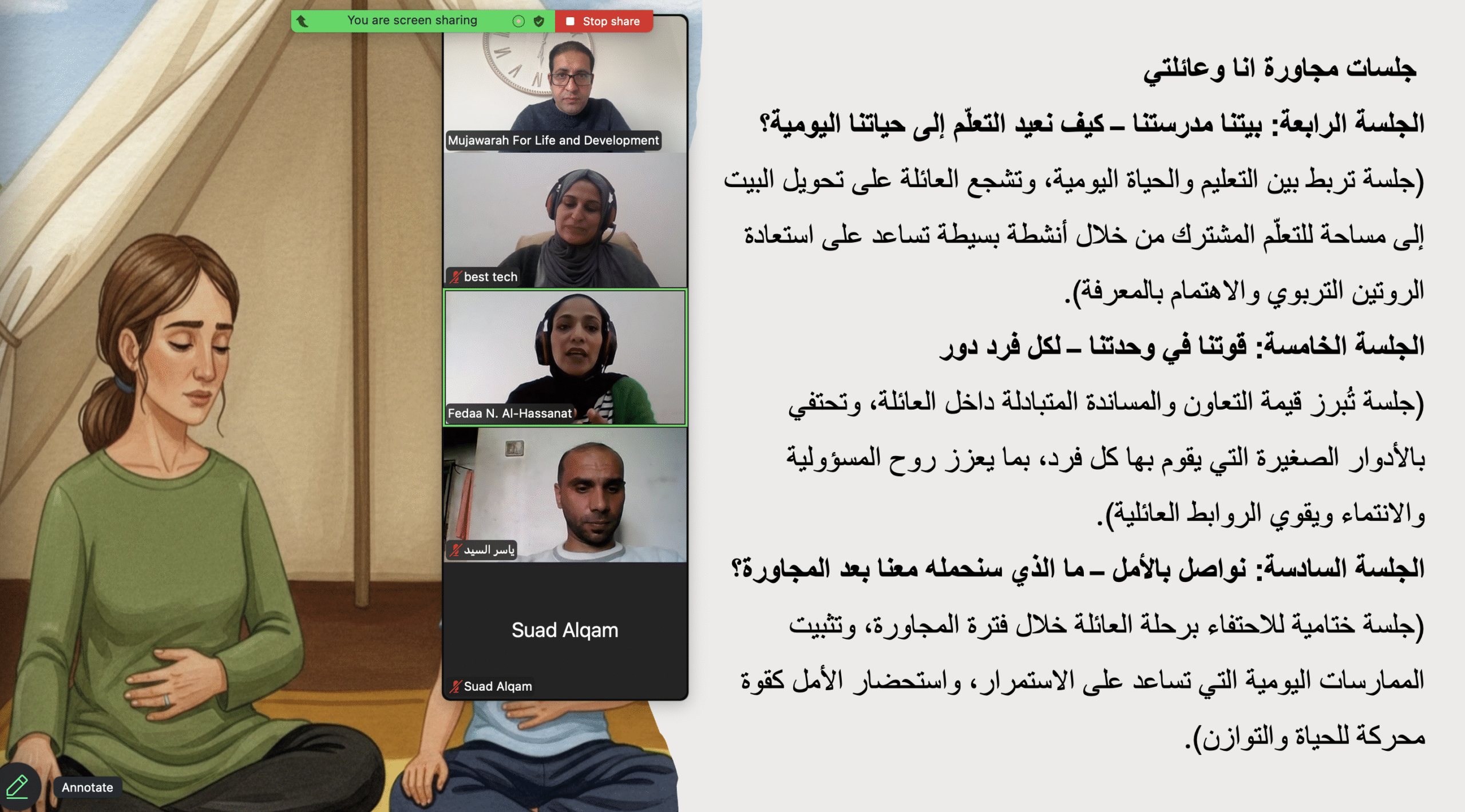
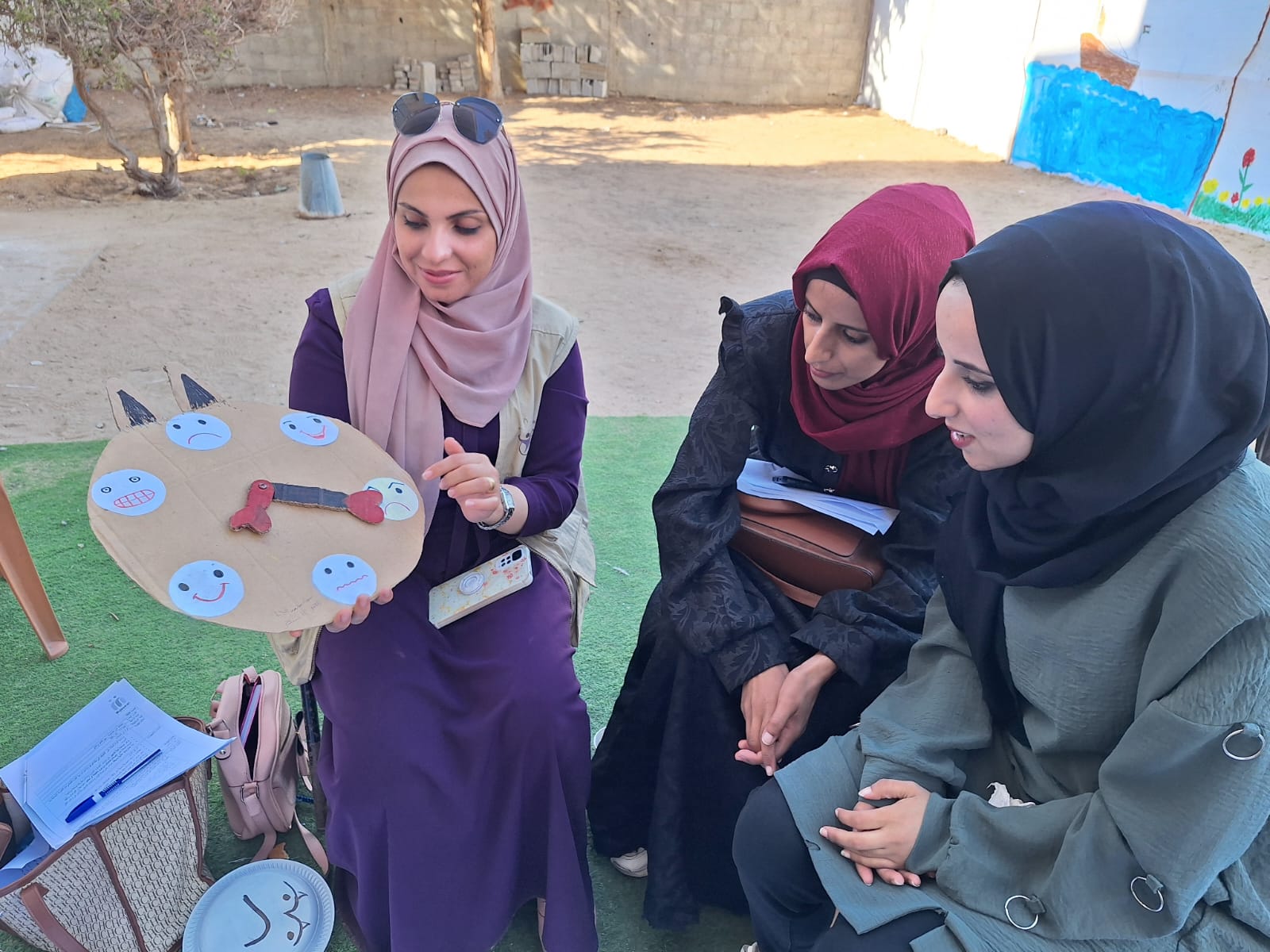
The initiative responds to children’s educational needs in the simplest of ways, far from complex or top-heavy projects. It goes back to basics: school begins with the smallest circle in a child’s life – the family. There, amidst fear and displacement, small sessions are held in homes or shelters, helping parents reclaim their original role as the first teachers. In these sessions, children learn to express their feelings and discover that learning can begin in the embrace of family, even without walls and classrooms.
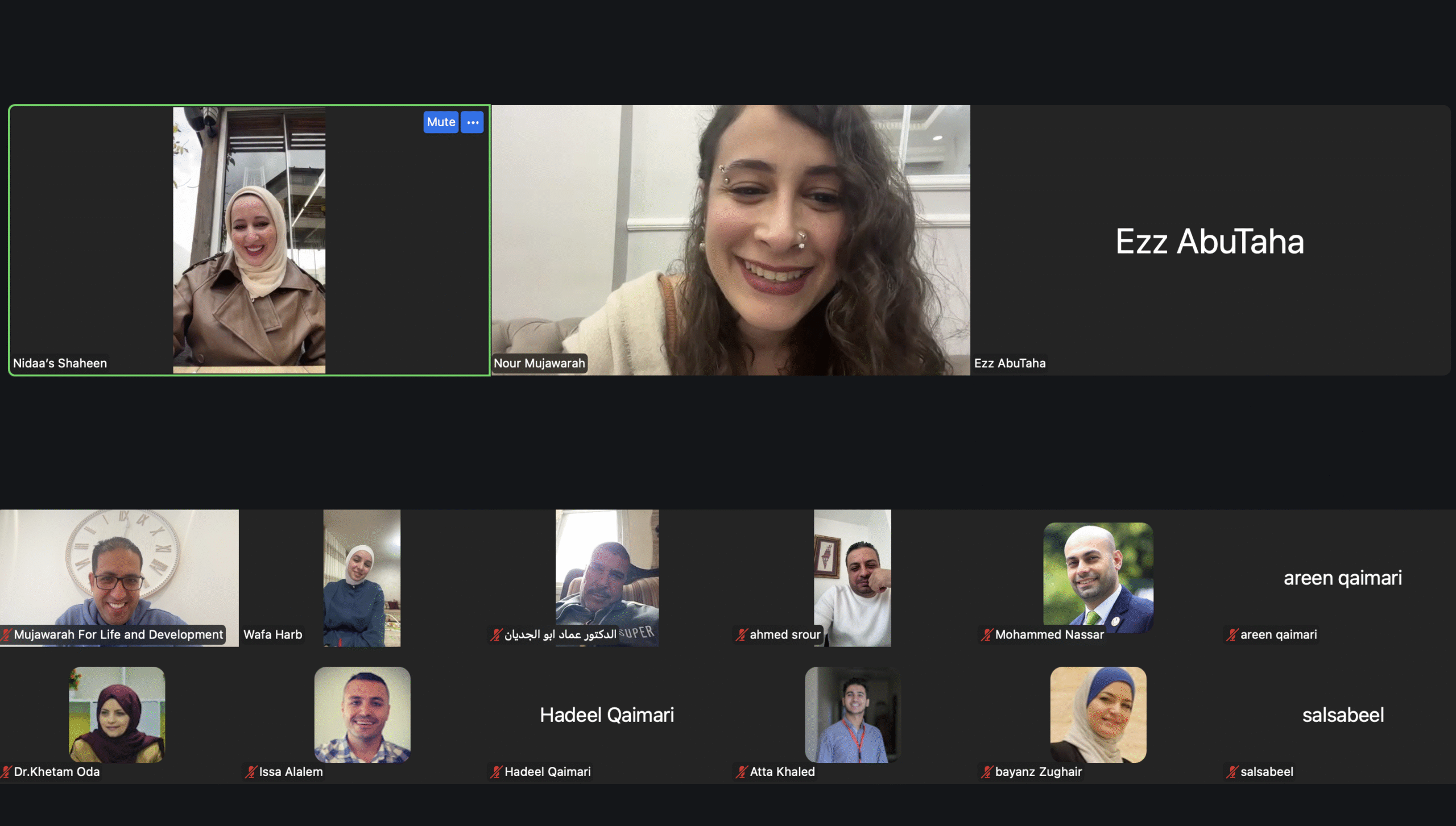
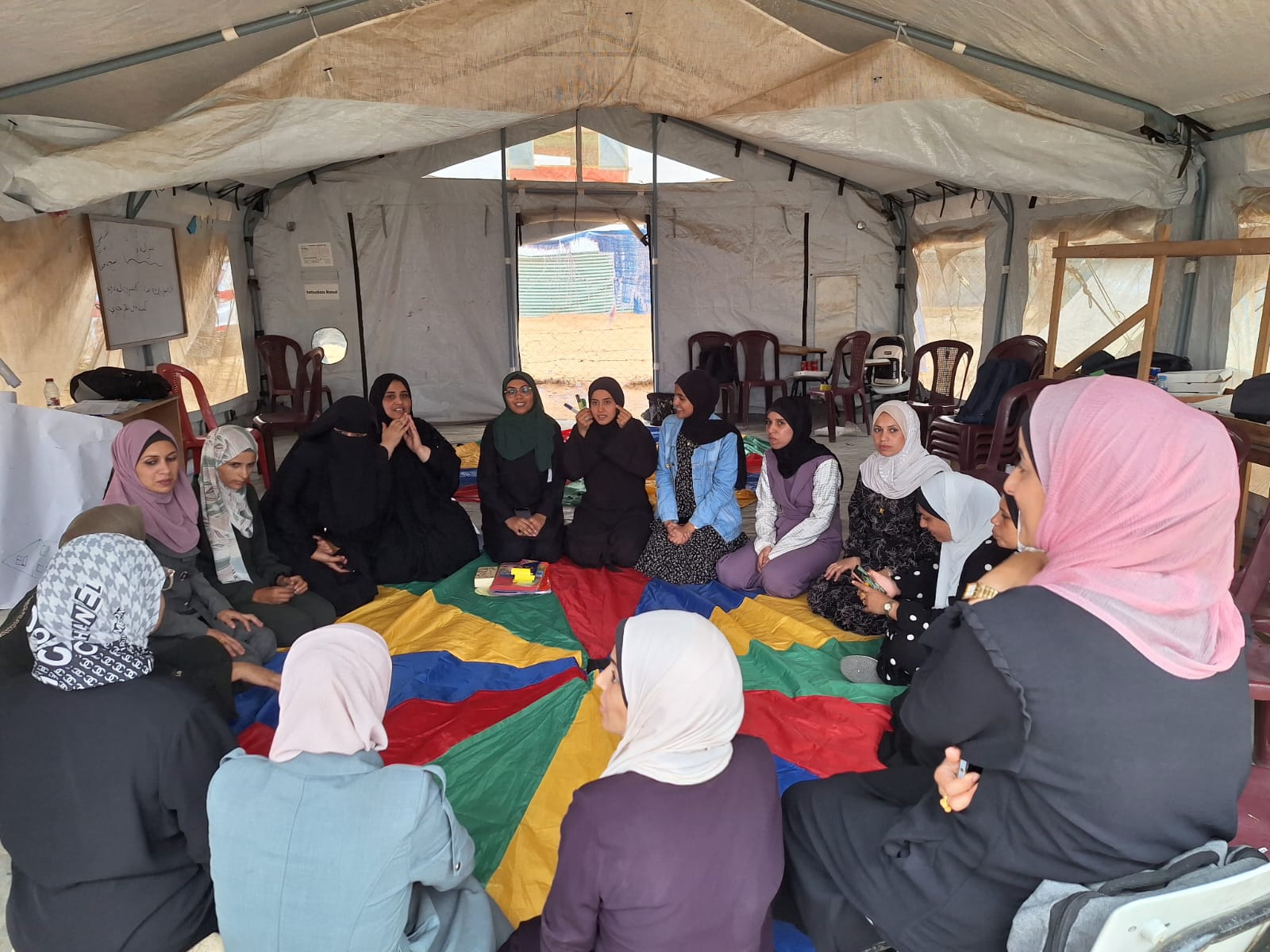
From the family-tent, the circle widens to include the community. Parents, volunteers, retired teachers, and young people gather to ask real, urgent questions: What do we have? Who can teach? How can we turn the simplest space into a classroom? How do we share responsibility? These gatherings plant not only practical solutions but also a sense that education is not a service to be waited for, but a collective journey led by the community itself.
From this participation, community schools are born. Small and flexible, built from whatever is at hand – a home, a tent, or a safe corner of the neighbourhood. In these spaces, children return to their seats, meet their peers, and reclaim their notebooks and routines. These are not perfect schools, but they carry a profound meaning: that school is possible again.
At the heart of sustaining these schools lies the Community Educational Resource Workshop. Led by experienced teachers, it offers quick training for volunteers, educational tools, and psychosocial activities. It is like a small educational kitchen, supplying classrooms with what they need, ensuring that schools remain spaces renewed with meaning and life, even in the darkest of times.
Education as a Possible Life
In Gaza today, education is not a lesson written in a notebook or a chapter in a curriculum. It is the breath of life renewed each time a child discovers an idea or asks an innocent question. The conditions may be harsh, but a moment of listening to a story, an experiment with a friend, or a shared laugh all become signs that childhood still beats – that education is a space where the possible is recovered, giving children the chance to carry on despite all they have lost.
This is not new to Palestinians. For generations, education has been lived as life itself: a playground for laughter, a space for friendship, and a place where a child finds themselves among peers. In the first Intifada after 1987, when schools were closed, people created popular education – homes and courtyards became classrooms safeguarding children’s right to learn. Today, in Gaza, that same spirit is reborn. Here, school is not just walls, but a meaning re-imagined in every home, every tent, and every community initiative. Education becomes the thread binding a present burdened with hardship to the possibility of tomorrow.
A Call to Give
Standing today with Gaza’s students means refusing to remain bystanders. It means sharing in the task of rebuilding the meaning of school. At Mujawarah for Life and Development, we believe that every educational initiative in Gaza is a window of hope – including our project, Mujawarah and School in Gaza, which opens the doors of learning from within families and communities. It is both an invitation and a call to walk together in this journey of giving birth to school anew – to return to Gaza’s children their seats, their notebooks, and to whisper to them: You are not alone.
https://www.crowdfunder.co.uk/p/mujawarah-school-in-gaza-1
مجاورة ومدرسة: مبادرة لإحياء المدرسة في حياة طلاب غزة
من الغياب إلى السؤال
في أماكن كثيرة من العالم، يحمل سبتمبر معه أصوات التلاميذ في طريقهم إلى المدرسة، ملابس وحقائب جديدة، وضحكات تملأ الساحات، وطقوساً بسيطة تشبه حياة الأطفال العادية. لكن في غزة، وللعام الثالث على التوالي، يأتي سبتمبر مثقلاً بظلال حرب الإبادة المدمّرة. أكثر من ٦٤٥ ألف طفل لم يعيشوا طقس عودتهم للمدرسة، بل صار سبتمبر عندهم ذكرى مؤلمة لصفوف غابت بين الركام أو تحوّلت إلى ملاجئ مكتظة بالنازحين.
منذ أكتوبر ٢٠٢٣، أُطفئت الحياة المدرسية في القطاع تحت وقع الإبادة الجماعية والنزوح المستمر. مئات المدارس دُمّرت بالقصف الاسرائيلي، وما تبقى منها تحوّل إلى أماكن إيواء تفتقر إلى أبسط مقومات العيش. صارت أماكن النزوح المؤقتة بدائل قاسية عن الصفوف، فيما يعيش الأطفال انقطاعاً شبه كامل عن التعليم.
غياب المدرسة لا يعني فقدان الدروس والكتب فقط. المدرسة كانت مساحة أمان يومية، تمنح الأطفال روتيناً يحمي طفولتهم، ونافذة صغيرة على غد مشرق. وحين غابت، تلاشى ذلك الإيقاع، وتعمّق الخوف. صارت ذاكرة المدرسة مرتبطة بالدمار والفقدان بدل التعلم والنماء، وتركت فراغاً نفسياً يثقل كاهل الأطفال وأسرهم معاً.
هذا الفراغ ليس عابراً. إنه يهدد جيلاً كاملاً بأن يكبر بلا تعليم ولا ذكريات مدرسية تحفظ للطفولة توازنها. الأرقام تكشف حجم الكارثة، لكن التفاصيل اليومية تُظهر عمقها: آلاف الأطفال يقضون نهارهم في البحث عن الماء أو الخبز بدل القراءة والكتابة، معلمون بلا صفوف، وأسر عاجزة أمام أسئلة أبنائها عن المدرسة المفقودة. غزة اليوم لا تحتاج فقط إلى إعادة بناء الحجر، بل إلى إعادة بناء المدرسة كمعنى وحق، كبيت ثانٍ يحفظ للطفولة أبسط ملامحها.
ومع كل هذا الخراب، لا تزال الحاجة إلى المدرسة تطلّ كل يوم في أسئلة الأطفال ونظراتهم. لم يكن غياب المدرسة مجرّد فقدان لمكان، بل فقدان لمعنى، لمعبر آمن نحو المستقبل. وفي مواجهة هذا الغياب، لم يجد الأهالي سوى أن يعودوا إلى أبسط ما يملكون: بعضهم جلس مع أطفاله في الخيمة يروي قصة أو يساعدهم على كتابة كلمات على ورقة قديمة، وآخرون تبادلوا الدفاتر القليلة بين أبنائهم ليبقوا على صلة بالتعلّم. في لحظات كهذه، يبرز السؤال البريء الذي يردده الأطفال: متى سنعود إلى صفوفنا… إلى مدارسنا؟
من السؤال إلى الفعل الممكن
من هذا السؤال العفوي تولدت ملامح الطريق إلى الفعل الممكن. لم يعد الانتظار يكفي، ولم تعد الوعود تحتمل المزيد. عندها برزت الحاجة إلى إبقاء نافذة صغيرة مفتوحة في حياة الأطفال، نافذة تقول لهم إن المدرسة ما زالت ممكنة، حتى لو غابت جدرانها. ومن هنا جاء الوعي بأن التعليم لا يبدأ من المبنى، بل من الناس أنفسهم – من العائلة أولًا، ثم من المجتمع بأسره.
من هذا الوعي، ووسط محاولات الأهالي والمعلمين المبادرين لخلق لحظات تعلّم وسط الخيام والدمار، التقطت مؤسسة مجاورة للحياة والتنمية هذا النداء، لترافق العائلات في إحياء المدرسة في حياة أطفال غزة: من قلب العائلة أولًا، ثم بالامتداد إلى المجتمع.
هكذا وُلدت فكرة مجاورة ومدرسة في غزة: أن تُقرأ المدرسة من جديد، لا كجدران تحتاج إلى سنوات لإعادة إعمارها، بل كمسار إنساني-تعليمي يبدأ من أصغر دائرة، ثم يكبر تدريجياً ليشمل الجيران والمتطوعين والمعلمين، حتى تنبثق منه مدارس مجتمعية وشعبية. مدارس تُبنى بما هو متاح: خيمة، غرفة بسيطة، أو ساحة آمنة، لكنها تحمل المعنى الأعمق للمدرسة – أن يجد الطفل مكاناً يتعلم فيه، يلتقي بأقرانه، ويستعيد إيقاعاً يومياً يربطه بالحياة الممكنة.
مجاورة ومدرسة في غزة
الفكرة تستجيب للاحتياجات التعليمية بأبسط ما يمكن، بعيداً عن التعقيدات والمشاريع الكبيرة. إنها تعود إلى الأساس: أن تبدأ المدرسة من أصغر دائرة في حياة الطفل، من قلب العائلة. هناك، وسط الخوف والنزوح، تُعقد جلسات صغيرة في البيوت أو أماكن الإيواء، تساعد الآباء والأمهات على استعادة دورهم الأول: أن يكونوا المدرسة الأولى. في هذه الجلسات، يتعلم الأطفال التعبير عن مشاعرهم، ويكتشفون أن التعلّم يمكن أن يبدأ من حضن العائلة حتى لو غابت الجدران والصفوف.
ومن الخيمة- البيت، تكبر الدائرة لتشمل المجتمع. يجتمع الأهالي والمتطوعون والمعلمون المتقاعدون والشباب، ليتبادلوا تساؤلاتهم الحية: ماذا نملك؟ من يستطيع أن يعلّم؟ كيف نحول أبسط مساحة إلى صف للتعلم؟ كيف نشارك المسؤولية؟ هذه اللقاءات لا تزرع فقط حلولاً عملية، بل تمنح الناس إحساساً أن التعليم ليس خدمة تنتظر المساعدات، بل مساراً جماعياً يقوده المجتمع نفسه.
من هذه المشاركة تولد المدارس المجتمعية. مدارس صغيرة ومرنة، تُبنى بما هو متاح: بيت، خيمة، أو مساحة آمنة في الحي. هناك يعود الأطفال إلى مقاعدهم، يلتقون بأقرانهم، ويستعيدون دفاترهم وروتينهم اليومي. ليست مدارس مثالية، لكنها تحمل معنى كبيرًا: أن المدرسة ممكنة من جديد.
ولكي تبقى هذه المدارس حيّة وقادرة على الاستمرار، ينبض قلب المشروع: ورشة الموارد التعليمية المجتمعية. يقودها معلمون ذوو خبرة، وتوفّر للمتطوعين تدريباً سريعاً، أدوات تربوية، وأنشطة تعليمية-نفسية. هي أشبه بمطبخ تربوي صغير يمد الصفوف بما تحتاجه، ويضمن أن تبقى المدرسة مكانًا يتجدد بالمعنى والحياة، حتى في أحلك الظروف.
التعليم كحياة ممكنة
في غزة اليوم، التعليم ليس درساً يُحصى في دفتر أو منهاج، بل هو أنفاس حياة تتجدد كلما اكتشف طفل فكرة جديدة أو طرح سؤالًا بريئًا. قد تكون الظروف قاسية، لكن لحظة إنصات لقصة، أو تجربة مع صديق، أو ضحكة تنطلق من نشاط مشترك، تصبح كلها إشارات تقول إن الطفولة ما زالت تنبض ويصبح التعليم مساحة يُستعاد فيها الممكن، ويمنح الأطفال فرصة للاستمرار رغم كل ما فقدوه.
وليس هذا جديداً على الفلسطينيين. فمنذ زمن بعيد، كان التعليم حياة تُعاش: ساحة للعب، وفضاء للضحك، ومكاناً يجد فيه الطفل نفسه بين أقرانه. وفي الانتفاضة الأولى بعد عام 1987، حين أُغلقت المدارس، ابتكر الناس التعليم الشعبي، فصارت البيوت والساحات صفوفاً تحفظ للأطفال حقهم في التعلّم. واليوم، في غزة، تستعاد هذه الروح من جديد. المدرسة هنا ليست جداراً فقط، بل معنى يُعاد تشكيله في كل بيت، في كل خيمة، وفي كل مبادرة مجتمعية. وهكذا يبقى التعليم خيطاً يربط الحاضر المثقل بالمحنة بإمكانية الغد.
دعوة للعطاء
أن نقف اليوم مع طلاب غزة يعني ألّا نظل متفرجين، بل أن نشارك في إعادة بناء معنى المدرسة من جديد. في “مجاورة للحياة والتنمية” نؤمن أن كل مبادرة تعليمية في غزة هي نافذة أمل، ومنها مشروعنا “مجاورة ومدرسة في غزة“ الذي يفتح أبواب التعلم من قلب العائلات والمجتمع. إنها دعوة ونداء بأن نكون معاً في رحلة ولادة مدرسة من جديد، نعيد فيها للطلاب في غزة مقاعدهم ودفاترهم، ونهمس لهم: أنتم لستم وحدكم.