
Mujawarah for Life and Development
Mujawarah / Palestine
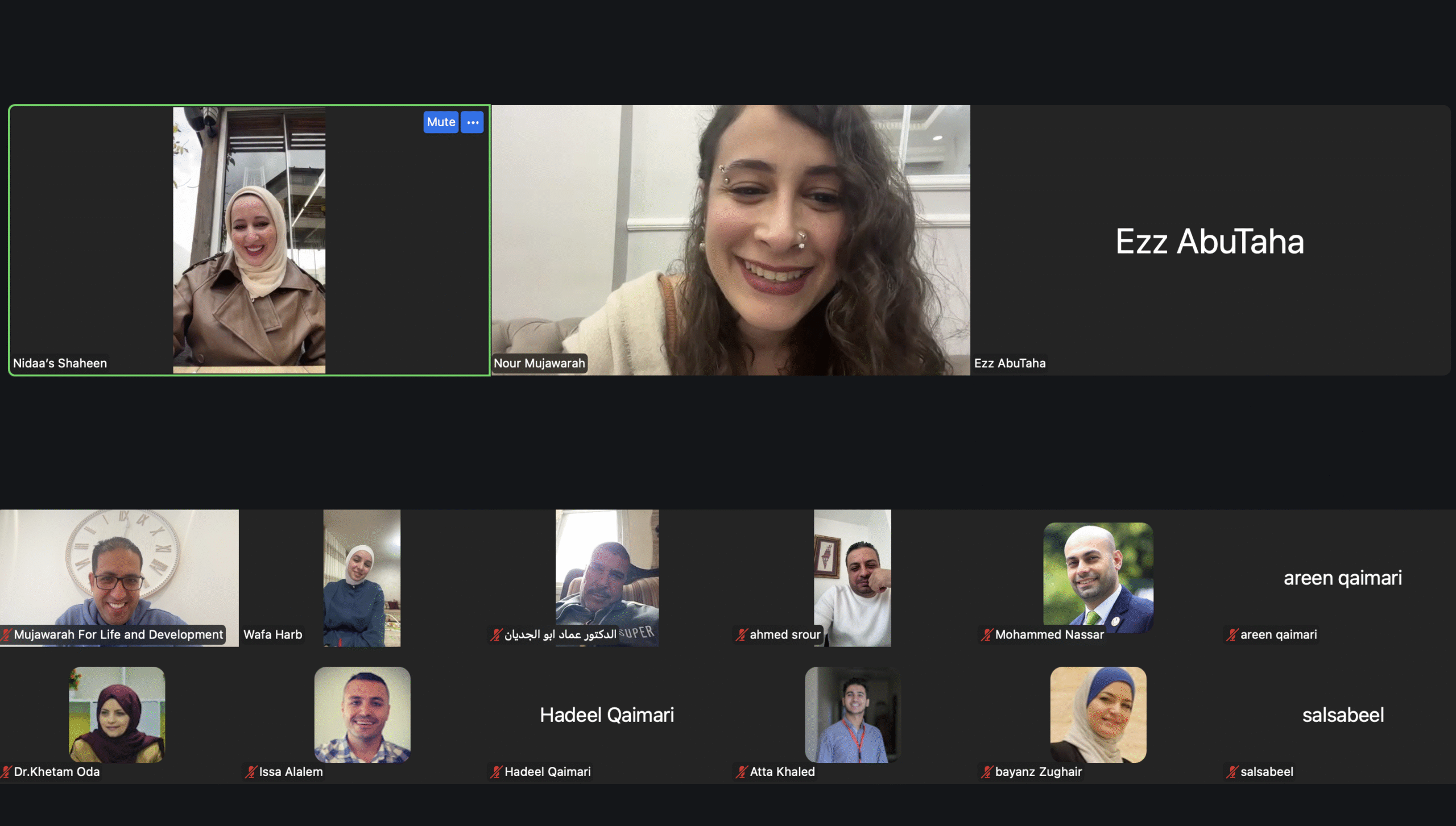
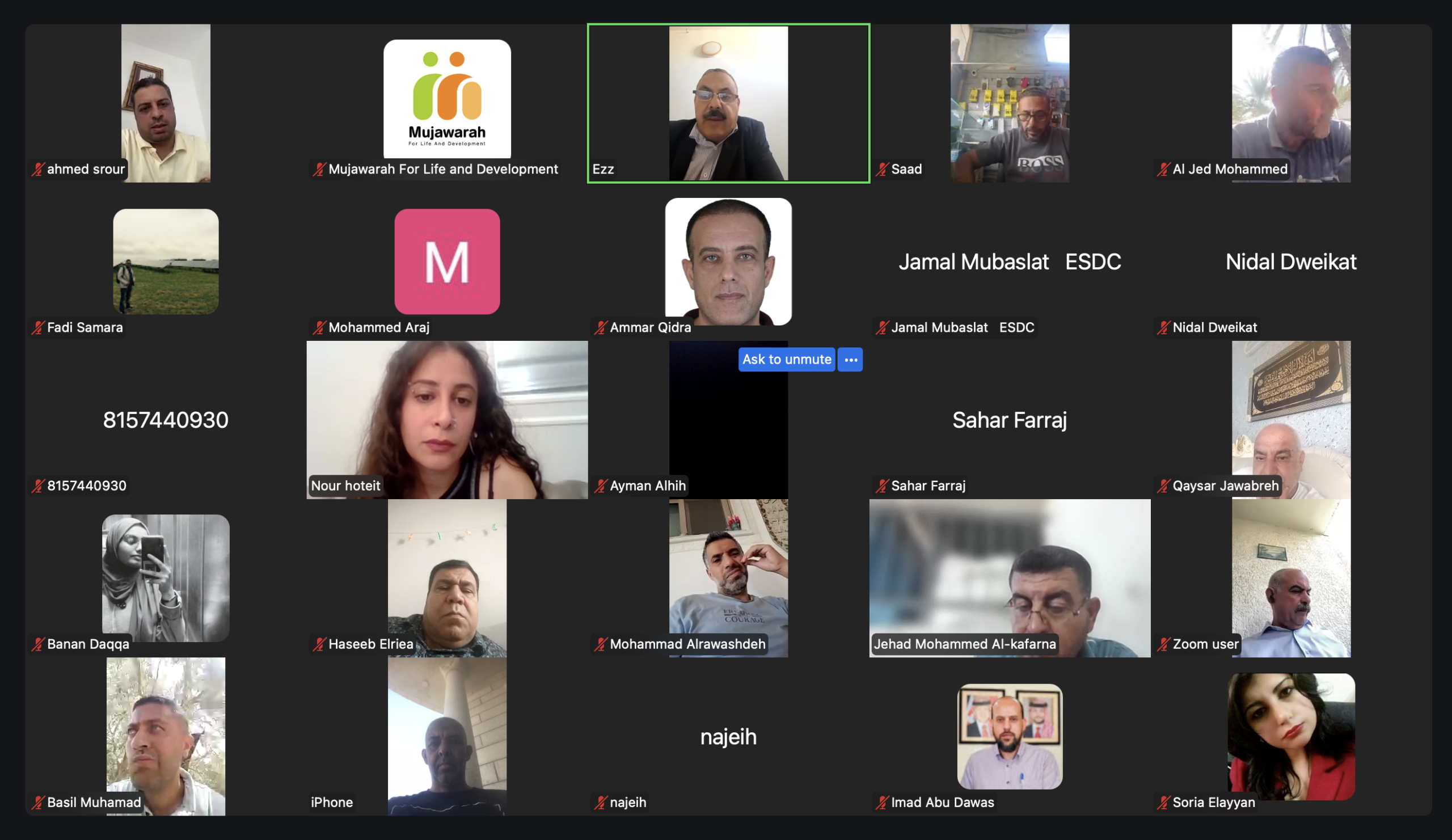
The image was flickering, the sound cutting in and out – yet one thing in the conversation remained clear: the will to continue. Nour Hoteit, facilitator of the session on behalf of Mujawarah for Life and Development, opened the dialogue by reflecting on the Gazans who have turned cooperation into a way of life – as if every cooked meal, every planting, every small initiative were a renewed declaration that life itself has not ended.
With these words, Nour opened the third dialogue in the “Cooperatives from Palestine” series, organised in partnership between Mujawarah for Life and Development – UK and the General Cooperative Union – Palestine. She began with a simple introduction to Mujawarah’s philosophy – the belief that cooperation is an alternative to competition, and that justice begins when people take part in shaping their own reality.
Then Maree Bashir, Founder and Director of Mujawarah for Life and Development – UK, took the floor, reminding participants of what had inspired this initiative:
“The ‘Cooperatives from Palestine’ Forum was launched in response to a real need – to highlight the role of cooperative work in Palestine’s social and economic life, especially after the genocide in Gaza.”
He explained that this third dialogue aimed to document the cooperative experiences in Gaza — what existed before the war, what remains after it, and how people are transforming loss into acts of life.
Before the War: A Small Economy of Resilience
The discussion began with Mohammed Al-Astal, Member of the General Secretariat, General Cooperative Union – Palestine, who recalled the period before 7 October:
“The cooperative movement before the war was thriving. We built so much from nothing. Cooperatives produced, exported, and created jobs.”
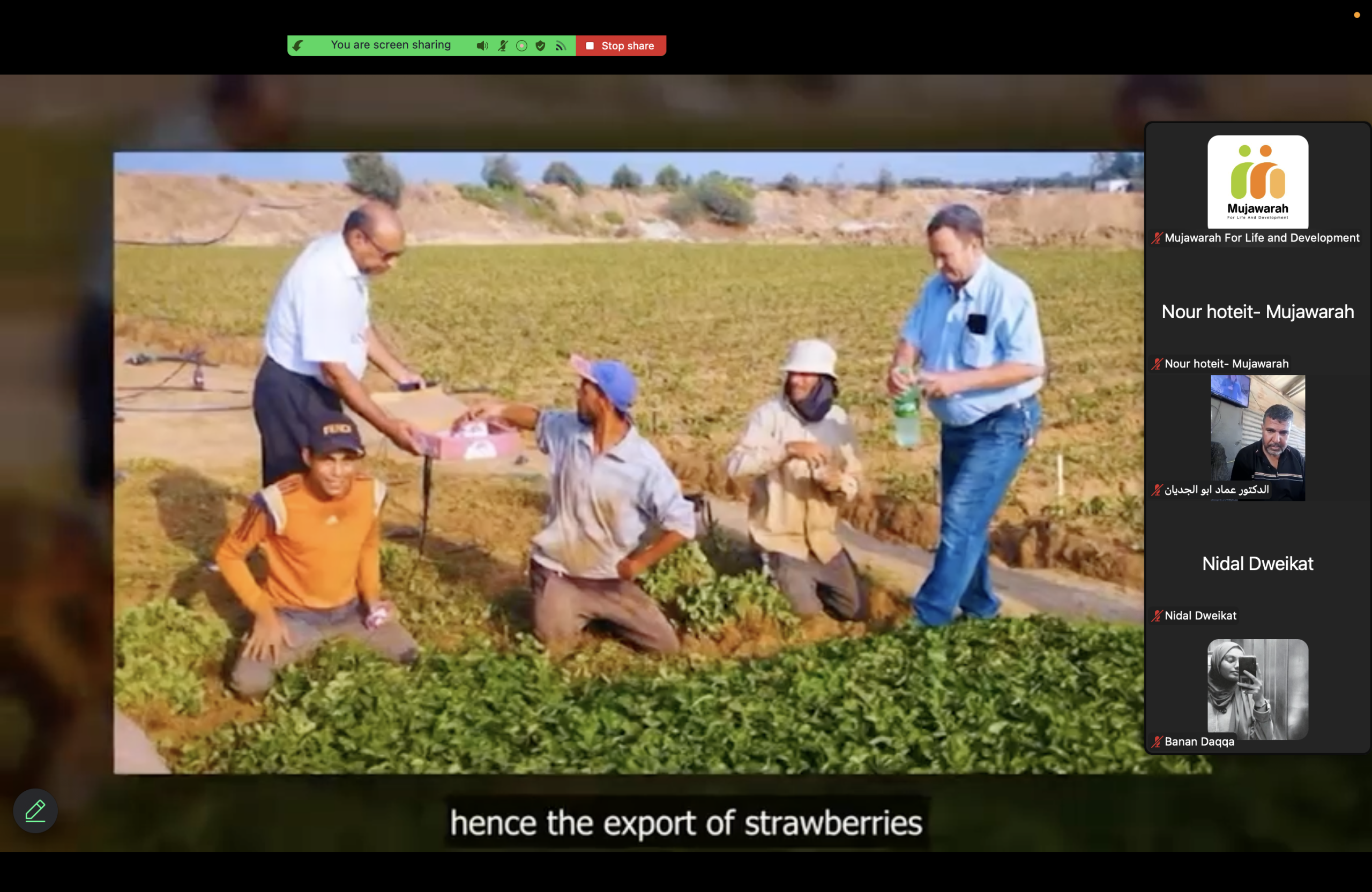
At that time, Gaza had more than twenty-eight registered cooperatives across five sectors – agriculture, fishing, crafts, housing, and services. Strawberries were grown in the north and exported to the West Bank and Jordan. Women’s associations produced embroidery and traditional food products, while the General Cooperative Union served as an umbrella body to coordinate efforts and distribute resources fairly.
After the Genocide: From Production to Relief
When the war began, cooperatives did not stop – they transformed. Dr. Imad Abu Aljedyan, Deputy Secretary-General, General Cooperative Union (GCU), explained:
“Cooperative work shifted from production to relief – from the market to the tent, from the factory to the communal kitchen.”
During the first weeks of the assault, cooperatives established more than twenty cooperative camps to shelter displaced families and distribute water and food. Cooperative premises became community kitchens, sewing workshops turned to making blankets, and farmers cultivated what little land was still accessible around the camps.
Hundreds of cooperative workers were injured, and more than 350 were killed – yet the work continued.
Women of Gaza: Creating Life from the Ashes
With a voice that carried both longing and strength, Souad Abu Daqa, head of the Itr Al-Sham Cooperative, said:
“Everything was destroyed, but we started again. When the place was bombed, I rented a small room and began from scratch… then it was bombed again.”
Despite everything, she continued:
“We went to the camps to help — working in relief, education, and health. We became a network that supports one another.”
In southern Gaza, Yasmeen Abu Al-Saeed, from the Shepherds’ Cooperative, shared her story:
“Our livestock died — there was no milk. So, we collected powdered milk and started making cheese for children and displaced families. We called it The Good Earth Cheese.”
Her words captured the essence of it all: cooperation was no longer merely an economic practice, but an act of survival.
Initiatives Amid the Rubble
Among the initiatives born in the heart of war was the Cooperative Medical Services Association – Gaza’s first cooperative health initiative. Ibrahim Al-Buhaisi, a representative of the association, recounted:
“Our first working day was 7 October – the day the war began. Despite everything, we opened medical points in the camps and provided free treatment and first aid.”
Dr. Imad Abu Aljedyan added that the General Cooperative Union supported the initiative by coordinating with other associations to provide doctors and staff:
“We turned destroyed clinics into small field points and continued working without electricity or equipment.”
Between Loss and Determination
From northern Gaza to Rafah, the stories echoed one another – associations destroyed entirely, others rebuilt in tents. Mohammed Al-Astal explained:
“We live what everyone lives – displaced, searching for water and food. But we keep working because we believe that life must go on.”
Closing Words: Gaza’s Voice to the World
In his concluding remarks, Maree Bashir reaffirmed that what Gaza’s cooperatives had done was not an exception to their role, but the essence of it:
“The response of the cooperatives during the war was an authentic act – not a temporary one. They did not only save people, they preserved the very meaning of solidarity amidst destruction.”
He further explained that Mujawarah for Life and Development – UK, in partnership with the General Cooperative Union – Palestine, seeks to open new spaces for dialogue about cooperatives in Gaza and to launch an international advocacy campaign calling on global cooperative institutions to take responsibility.
“In the face of the annihilation of Gaza’s cooperatives, we need to show the world that these cooperatives are not temporary projects – they are a form of life itself.”
That session was more than a seminar; it was a living testimony that Palestinians, even amid death, continue to craft the meaning of life.
From beneath the rubble emerged a new story of cooperation – not as an economic idea, but as a way to reclaim agency, survival, and dignity.
أصوات تعاونية من غزة: ماذا بقي وكيف نبدأ من جديد؟
مجاورة / فلسطين
كانت الصورة متقطعة، والصوت يأتي ويذهب، لكن شيئاً ما في الحوار بقي واضحاً: الرغبة في الاستمرار. قدّمت نور حطيط اللقاء باسم مجاورة للحياة والتنمية، لتفتح باباً على تجربة الغزيين الذين حوّلوا التعاون إلى طريقة عيش – كأن كل طبخةٍ، وكل زراعةٍ، وكل مبادرة صغيرة هي إعلان جديد بأن الحياة لم تنتهِ بعد
بهذه الجملة فتحت نور الحوارية الثالثة من سلسلة “تعاونيات من فلسطين”، التي تُنظَّم بالشراكة بين مجاورة والاتحاد التعاوني العام في فلسطين. كانت البداية تعريفاً بسيطاً عن مجاورة التي تؤمن بأن التعاون بديل للمنافسة، وأن العدالة تبدأ من مشاركة الناس في صنع واقعهم
ثم تسلّم الكلمة مرعي بشير، مؤسس ومدير مجاورة، فذكّر بما دفعهم لإطلاق المنتدى قائلاً:
“منتدى تعاونيات من فلسطين جاء استجابة لحاجة حقيقية، لتسليط الضوء على دور العمل التعاوني في الحياة الاجتماعية والاقتصادية في فلسطين، خاصة بعد الإبادة في غزة.”
وأوضح أن الحوارية الثالثة تسعى لتوثيق التجارب التعاونية في القطاع – ما كان قبل الحرب، وما تبقّى بعدها، وكيف يحاول الناس تحويل الفقد إلى فعل حياة.
قبل الحرب: اقتصاد صغير من الصمود
بدأ الحديث من محمد الأسطل، عضو الأمانة العامة للتعاونيات في غزة، الذي استعاد ملامح ما قبل السابع من أكتوبر:
“الواقع التعاوني قبل الحرب كان متقدّماً، بنينا من لا شيء أشياء كثيرة. كانت التعاونيات تنتج، وتُصدّر، وتخلق فرص عمل.“
كانت في غزة آنذاك أكثر من ثمانٍ وعشرين جمعية تعاونية موزعة على خمسة اتحادات – من الزراعة إلى الصيد إلى الحرف والإسكان. كانت الفراولة تُزرع في الشمال وتُصدَّر إلى الضفة والأردن، وكانت الجمعيات النسائية تصنع المطرزات والمنتجات الغذائية، وكان الاتحاد التعاوني العام هو المظلّة التي تنسّق الجهود وتوزّع الموارد بعدل.
ما بعد الإبادة: من الإنتاج إلى الإغاثة
حين بدأت الحرب، لم تتوقّف التعاونيات، لكنها تغيّرت. قال د. عماد أبو الجديان، نائب الأمين العام للاتحاد التعاوني العام في فلسطين:
“تحوّل العمل التعاوني من الإنتاج إلى الإغاثة، من السوق إلى الخيمة، من المصنع إلى المطبخ الجماعي.”
خلال الأسابيع الأولى، أقامت الجمعيات أكثر من عشرين مخيّماً تعاونياً لإيواء النازحين وتوزيع المياه والطعام. صارت مقرات التعاونيات مطابخ جماعية، وورش الخياطة تحوّلت لصناعة الأغطية، والمزارعون صاروا يزرعون في الحد الأدنى الممكن حول المخيمات.
أُصيب مئات من العاملين في الحركة التعاونية، واستشهد أكثر من ثلاثمئة وخمسين منهم، لكن العمل لم يتوقف.
نساء غزة… صناعة الحياة من الرماد
في صوتٍ يحمل الحنين والقوة معاَ، تحدّثت سعاد أبو دقة، رئيسة جمعية عطر الشام التعاونية، فقالت:
“كل شيء انقصف، لكننا رجعنا نشتغل من جديد. لما تهدم المكان، استأجرت غرفة صغيرة وبدأت من أول وجديد… ثم انقصف المكان مرة ثانية”
رغم كل ذلك، تتابع سعاد:
“نزلنا المخيمات نساعد، اشتغلنا بالإغاثة والتعليم والصحة. صرنا شبكة بتدعم بعضها”.
وفي جنوب قطاع غزة، روت ياسمين أبو السعيد، من تعاونية مربّيات الأغنام، تجربتها:
“ماتت المواشي، ما عاد في حليب. فجمعنا الحليب المجفف وبدأنا نعمل جبنة للأطفال والنازحين. سميناها جبنة الأرض الطيبة.”
كانت كلماتها تلخص جوهر الحكاية: التعاون لم يعد نشاطاً اقتصادياً بل ممارسة للبقاء.
مبادرات وسط الركام
من بين المبادرات التي وُلدت في قلب الحرب، ظهرت جمعية الخدمات الطبية التعاونية — أول مبادرة صحية تعاونية في غزة. يروي إبراهيم البحيصي، ممثل الجمعية، أنهم أسسوها في أكتوبر 2023:
“كان يومنا الأول في 7 أكتوبر… ثم بدأت الحرب. رغم كل شيء، فتحنا نقاط طبية في المخيمات وقدّمنا العلاج والإسعاف مجاناً”
ويضيف أبو الجديان أن الاتحاد دعم هذه المبادرة بتنسيق مع الجمعيات الأخرى لتوفير الأطباء والكوادر: “حوّلنا عيادات مدمّرة إلى نقاط ميدانية صغيرة، وواصلنا العمل بلا كهرباء ولا معدات.”
بين الفقد والإصرار
من شمال غزة حتى رفح، تتشابه القصص: جمعيات دُمّرت بالكامل وأخرى أعادت بناء نفسها داخل الخيام. يقول الأسطل:
“نحن نعيش ما يعيشه الجميع — نازحون، نبحث عن الماء والطعام، لكننا نعمل لأننا نؤمن أن الحياة يجب أن تستمر.”
كلمة ختام: صوت غزة إلى العالم
في نهاية اللقاء، عاد مرعي بشير ليؤكد أن ما قامت به التعاونيات في غزة ليس استثناءً من دورها، بل جوهر وجودها:
“الاستجابة التي قامت بها التعاونيات أثناء الحرب هي فعل أصيل، وليست مجرد فعل طارئ عن جوهرها. التعاونيات لم تنقذ الناس فحسب، بل حفظت معنى المشاركة وسط الإبادة.”
وأوضح أن مجاورة، بالشراكة مع الاتحاد التعاوني العام، تسعى لفتح مساحات حوار جديدة حول التعاونيات في غزة، ولتنظيم حملة مناصرة دولية تضع المؤسسات التعاونية العالمية أمام مسؤولياتها.
“أمام إبادة التعاونيات في غزة، نحن بحاجة أن تعريف العالم بتعاونيات غزة كشكل من أشكال الحياة، لا مشروعاً مؤقتاً”
كانت تلك الجلسة أكثر من ندوة. كانت شهادة حيّة على أن الفلسطينيين، وسط الموت، ما زالوا يصنعون معنى الحياة.
من تحت الركام خرجت حكاية جديدة عن التعاون: أنه ليس مجرد مفهوم اقتصادى، بل طريقة لاستعادة القدرة على الفعل، والبقاء، والكرامة.