
Mujawarah for Life and Development
Bizzaria: When Isolation Turned into a Collective Women-Led Initiative
Among the hills stretching to the north-west of Nablus, the village of Bizzaria stands as though encircled by a belt of isolation. Three governorates surround it from every direction, yet proximity never meant ease of movement—especially during the Second Intifada, when the roads leading to and from Bizzaria became nearly impassable due to Israeli military closures and earth mounds blocking the village’s entrances and exits.
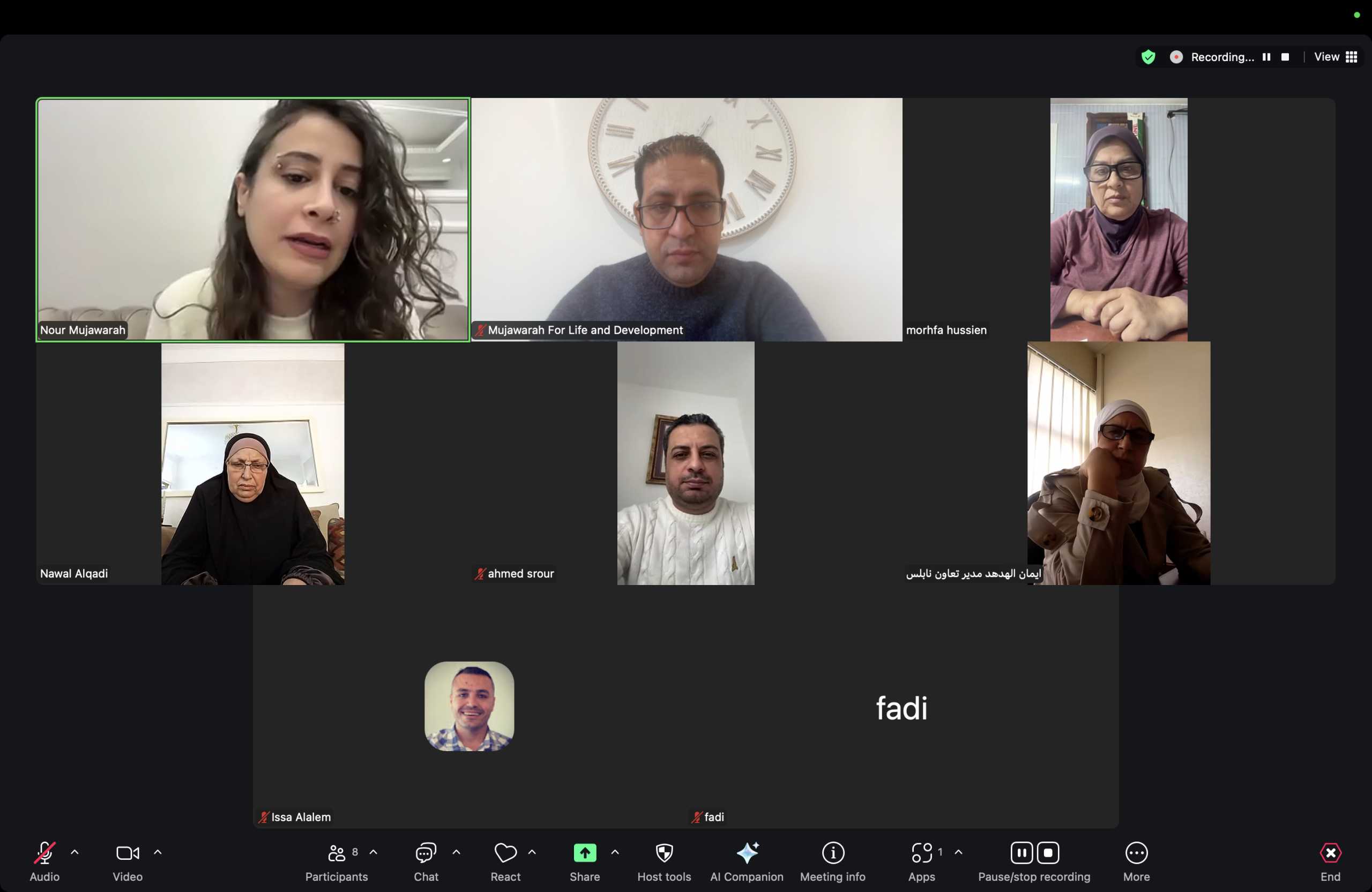
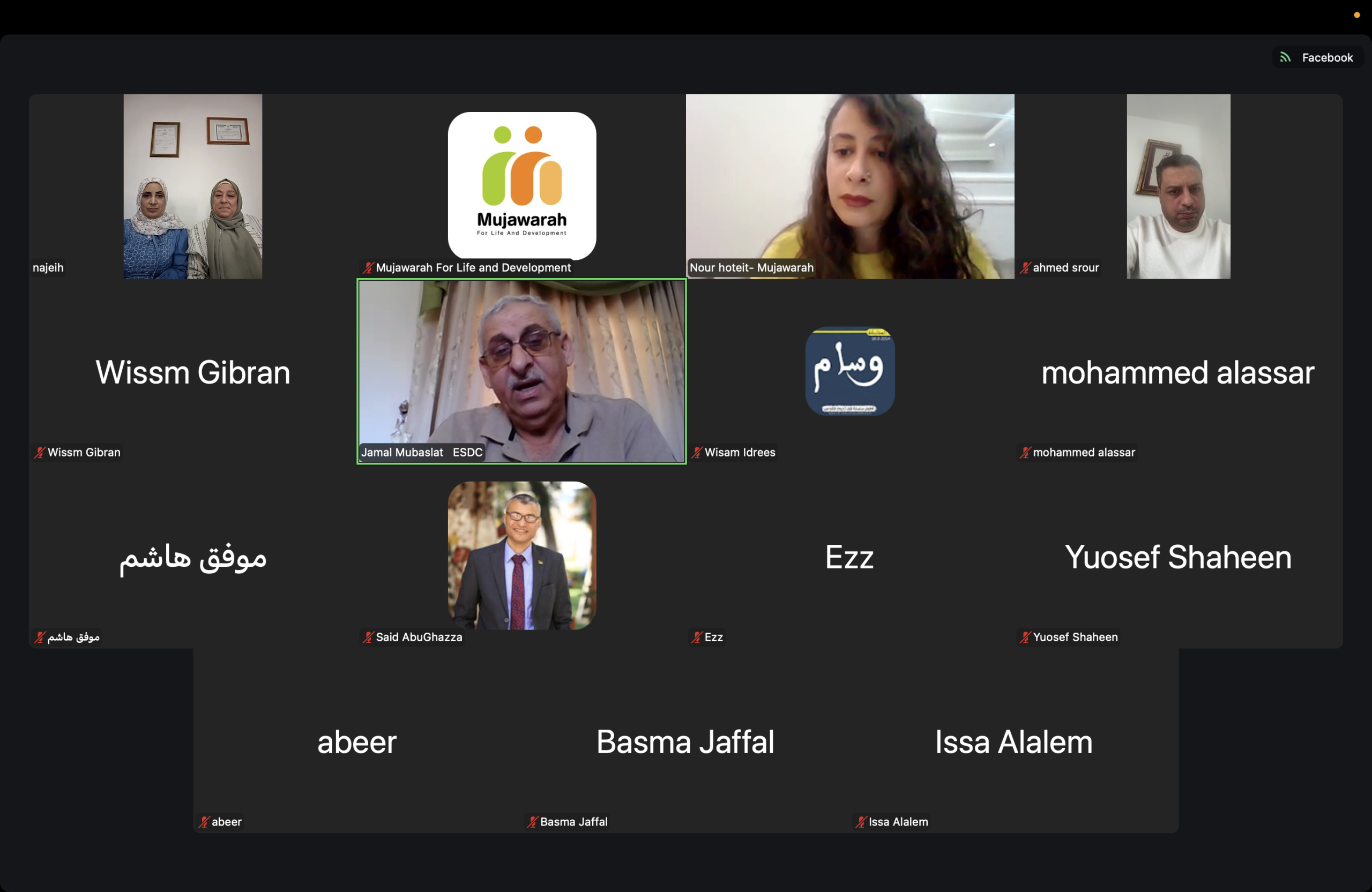
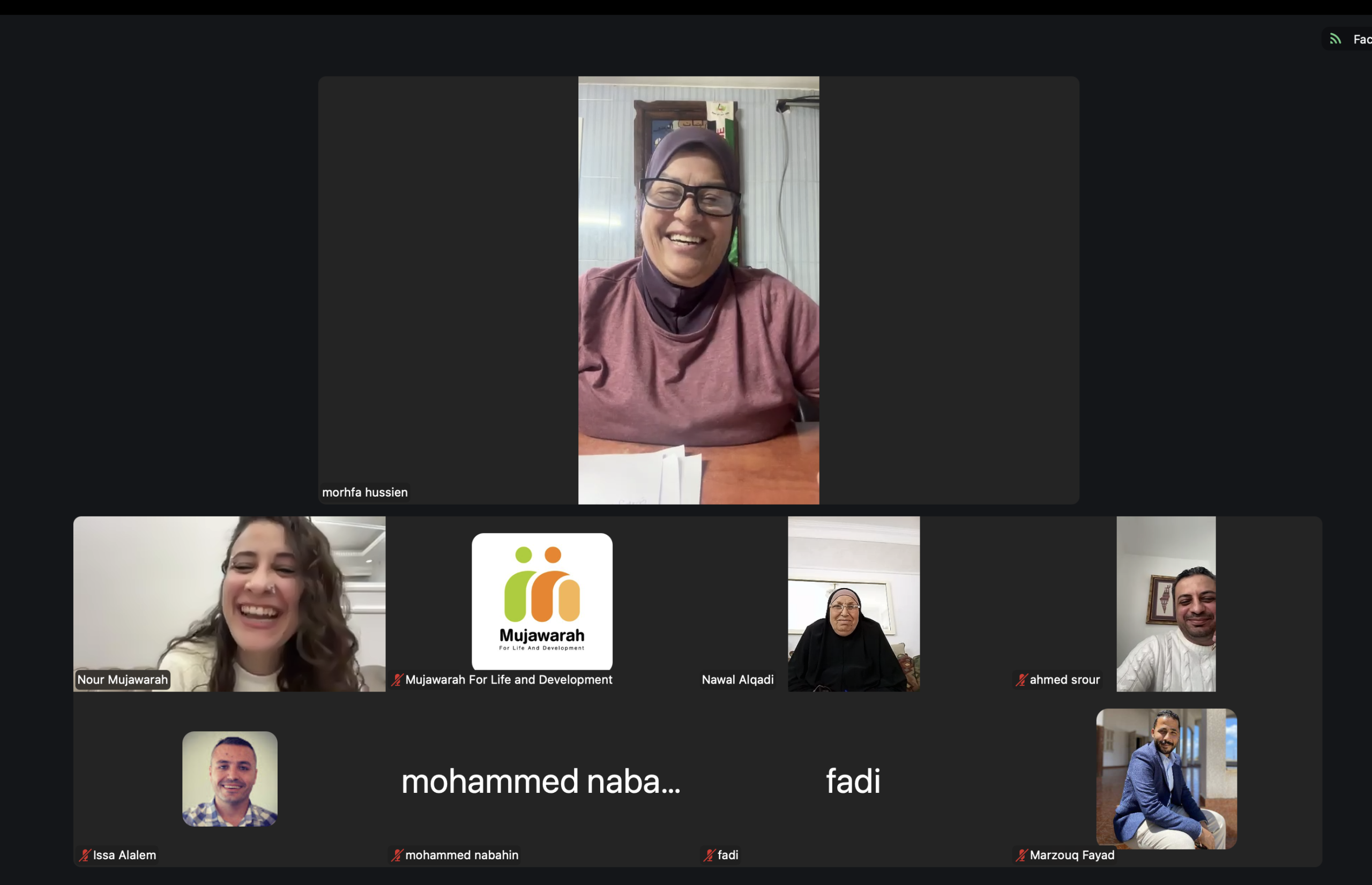
It was in this tense moment that the seed of a women-led idea began to form. Its story was later revisited in an online dialogue moderated by writer and researcher Nour Hoteit, whose calm facilitation opened space for Murhafa Hussein, Chair of the Cooperative, and Nawal Qadi, its Director, to recount the experience from within.
Necessity as the Spark
Murhafa recalled how the women of Bizzaria were forced to carry cheese and yoghurt over the hills to reach cities that no longer felt near. Danger became part of the journey, and the effort doubled.
“In the closure,” she said, “everything became difficult. Even meeting basic household needs became a risk.”
From this pressure emerged the first proposal: a small space inside the village that could gather women’s products and provide for families without the need to navigate dangerous roads.
From a Small Corner to a Registered Cooperative
The step evolved quickly. The women realised the initiative needed an official framework, so they registered as a cooperative. Contributions began with a symbolic single dinar, gradually rising until each share reached 600 Jordanian dinars.
The goal was clear: to build a sustainable, women-led economic structure—not a temporary project.
A Rural Society Between Hesitation and Transformation
The idea of women working publicly did not pass without surprise or hesitation. Nawal recalled the early comments, the scrutinising looks, the astonishment at seeing women handle sales and management.
But this scene gradually shifted.
“When people saw the girls working respectfully,” Nawal explained, “the perception changed. People even started using us as an example.”
A Wider Perspective
During the dialogue, Maree Bashir, Director of Mujawarah for Life and Development, offered a broader reading of the experience. He emphasised that Bizzaria is not an isolated case but part of a larger Palestinian cooperative ecosystem in need of visibility and support.
He explained that the Cooperatives from Palestine Forum was established precisely to create spaces where such grassroots initiatives can be seen, heard, and connected with wider networks.
Bashir argued that what the women of Bizzaria are building extends beyond local economics, promoting a model grounded in shared responsibility rather than centralisation. He added that such dialogues enable cooperatives to expand, network, and access expertise that could support their development.
On administrative and financial challenges, he stressed that existing bureaucratic systems are outdated and unsuitable for cooperative work, calling for collective advocacy to reform these structures and build a more enabling environment.
Projects Growing Within Homes
Within the details of the experience emerged a series of projects born inside the homes of the village: beehives transferred to twenty women after intensive training; sheep purchased with small loans that later became sizeable flocks managed entirely by women; household gardens irrigated with recycled greywater and offering families small pockets of self-sufficiency; and domestic wells dug to withstand prolonged water shortages. Alongside this came a lending fund that supported women in launching new ventures or facing urgent health needs.
Though modest in resources, these initiatives sparked a real transformation in women’s independence and presence both inside and outside their homes.
A Social Space as Much as an Economic One
The cooperative was never just a place to buy and sell. It gradually became a space for gathering—“even those who don’t want to buy anything come to sit for a while and rest,” Murhafa said. Over time, it evolved into a much-needed social space in a village that lacks accessible public areas for women.
Present-Day Challenges
After more than 15 years in a rented building, the cooperative has been asked to vacate, forcing the women to search for a new space or consider building on a plot of land they already own.
Meanwhile, banking and administrative complications—from lengthy approvals to slow procedures—remain obstacles that repeatedly delay progress.
Why the Experience Endured
Murhafa and Nawal offer a simple answer:
Trust.
Trust in collective work, in saving even the smallest amount, and in the belief that cooperation can build an economic base from the ground up.
Through this trust, what began as an emergency response during the Intifada has grown into a quietly powerful model of resilience—crafted by the women of Bizzaria in a village that geography did not favour, so they chose to build for themselves what it denied them.
بزاريا: حين تحوّلت العزلة إلى مشروع جماعي تقوده النساء
من بين التلال الممتدة شمال غرب نابلس، تقف قرية بزاريا كأنها محاطة بحزام من العزلة. ثلاث محافظات تحدّها من جهاتها كلها، لكن قرب المسافة لم يمنحها سهولة الحركة، خصوصًا خلال الانتفاضة الثانية حين تحولت الطرق من وإلى بزاريا صعبة بسبب إغلاقات الاحتلال الإسرائيلي لمداخل ومخارج القرية. في تلك اللحظة المتوترة، بدأت بذرة فكرة نسائية تتشكل، في حوارية عبر الإنترنت أدارتها الكاتبة والباحثة نور حطيط، التي منحت الحوار مسارًا هادئًا يسمح لـمرهفة حسين، رئيسة التعاونية، ونوال قاضي، مديرة الجمعية، بإعادة رواية القصة من قلب التجربة
الضرورة التي أطلقت شرارة الفكرة
تحكي مرهفة كيف وجدت نساء القرية أنفسهن مجبرات على حمل الجبنة واللبن عبر الجبال للوصول إلى مدن لم تعد قريبة كما كانت. الخطر كان جزءًا من الطريق، والجهد مضاعفًا. تقول
“في ظل الإغلاق، صار كل شيء صعب. حتى تلبية حاجات البيت بدها مخاطرة”
ومن هذا الضيق وُلد الاقتراح الأول: إنشاء مساحة صغيرة داخل القرية تجمع ما تنتجه النساء وتوفّر احتياجات البيوت دون الاضطرار لعبور الطرق الخطرة
من مساحة بسيطة إلى جمعية تعاونية
تطورت الخطوة سريعًا. أدركت النساء أن المبادرة تحتاج إلى إطار رسمي، فسجّلن الجمعية كتعاونية وبدأن بمساهمات رمزية لا تتجاوز دينارًا واحدًا، قبل أن ترتفع تدريجيًا حتى بلغت 600 دينار أردني للسهم. كان الهدف واضحًا: بناء بنية اقتصادية مستدامة تقودها النساء، لا مبادرة مؤقتة
المجتمع الريفي… بين التحفّظ والتحوّل
لم يمر خروج النساء للعمل دون أسئلة أو استغراب. تشير نوال إلى التعليقات الأولى، النظرات المتفحصة، والدهشة من رؤية نساء يتولين البيع والإدارة. لكن هذا المشهد تغيّر مع الوقت. تقول نوال
“لما شافوا البنات يشتغلوا باحترام، النظرة تغيرت. صارت الناس تضرب فينا المثل”
رؤية أوسع للتجربة التعاونية
قدّم مرعي بشير، مدير “مجاورة للحياة والتنمية”، قراءة أشمل للتجربة، مؤكدًا أن بزاريا ليست حالة معزولة، بل جزء من منظومة تعاونية فلسطينية تحتاج إلى الإضاءة والدعم. وأشار إلى أنّ منتدى تعاونيات من فلسطين وُجد أساسًا لفتح مساحات تُرى فيها المبادرات المحلية، وتُسمَع أصوات النساء اللواتي يصنعن نماذج بديلة في بيئات شديدة التعقيد
ورأى بشير أن مشروع بزاريا يتجاوز الاقتصاد المحلي، لأنه يعزز نموذجًا قائمًا على التشارك لا المركزية، وأن الحواريات تمنح التعاونيات فرصة للتشبيك والوصول إلى خبرات قد تدعم تطويرها. وفي حديثه عن التحديات، شدّد على أن البيروقراطية الحالية متقادمة ولا تلائم العمل التعاوني، داعيًا إلى تحويل هذه العقبات إلى ملفات مناصرة تتولاها الجهات المسؤولة
مشاريع تنمو داخل البيوت
في تفاصيل التجربة، برزت مشاريع وُلدت داخل البيوت نفسها: خلايا نحل انتقلت إلى أيدي عشرين سيدة بعد تدريب مكثف، وأغنام بدأت برأس مال بسيط وتحولت إلى قطعان كبيرة تديرها النساء وحدهن، وحدائق منزلية صغيرة تُروى بمياه الغسيل وتمنح العائلات اكتفاءً ذاتيًا، وآبار منزلية حفرتها الأسر لمواجهة الانقطاع الطويل للمياه، إضافة إلى صندوق تسليف ساعد النساء على إطلاق مشاريع جديدة أو تجاوز أزمات صحية طارئة. كانت هذه المبادرات صغيرة في مواردها، لكنها أحدثت تحولًا حقيقيًا في استقلال النساء وحضورهن داخل بيوتهن وخارجها
مساحة اجتماعية بقدر ما هي اقتصادية
لم تكن الجمعية مكانًا للبيع فقط، بل أصبحت مساحة للقاء، كما وصفت مرهفة التي قالت إن كثيرًا من النساء يزرنها لمجرد الجلوس قليلًا والراحة من أعباء البيت. بمرور الوقت، تحوّلت الجمعية إلى مساحة اجتماعية بديلة في قرية تفتقر إلى أماكن عامة مفتوحة للنساء
تحديات الحاضر
بعد أكثر من 15 عامًا في مقر مستأجر، أصبح المكان مطلوبًا من صاحبه، ما يفرض على الجمعية البحث عن مقر جديد أو البناء على قطعة الأرض التي تمتلكها. وفي الوقت نفسه، تقف التعقيدات البنكية والإدارية — من الموافقات إلى طول الإجراءات — عائقًا متكررًا أمام أي خطوة جديدة
كيف استمرت التجربة؟
تقدّم مرهفة ونوال الإجابة ببساطة
الثقة
الثقة بالعمل المشترك، وبأن الادخار — حتى لو كان بسيطًا — قادر على تكوين قاعدة اقتصادية. وبفضل هذه الثقة، تحوّل ما بدأ كحلّ طارئ خلال الانتفاضة إلى نموذج صغير للصمود والتنظيم الاقتصادي، صنعته النساء بأيديهن في قرية لم تمنحها الجغرافيا الكثير، فقررت أن تصنع ما تحتاجه بنفسها