
Mujawarah for Life and Development
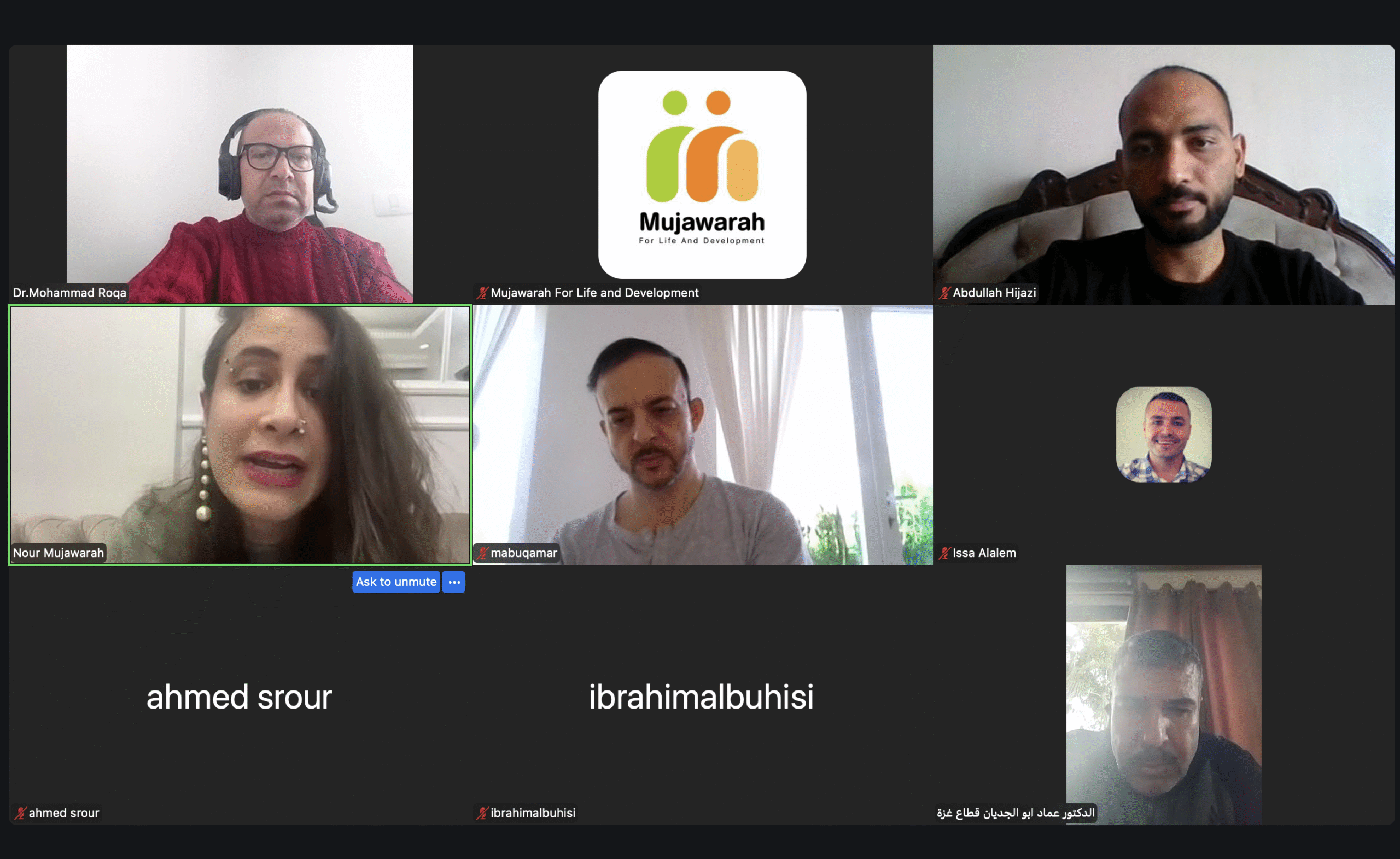
Majawarah for Life and Development – UK, in partnership with the General Cooperative Union – Palestine, organised a dialogue session as part of the “Cooperatives from Palestine” Forum, hosting the Cooperative Society for Medical and Health Services – Gaza as a health cooperative model that was established before the war and later transformed into an effective frontline response under bombardment. The session was facilitated by writer and researcher Nour Hoteit, with contributions from Dr. Mohammed Abu Rouqa, founder and Chair of the cooperative, and Eng. Abdullah Hijazi, Treasurer and one of its founders.
Dr. Abu Rouqa explained that the cooperative obtained its official licence in June 2023, following a foundational process that began during the COVID-19 pandemic. At that time, a group of doctors, pharmacists and nurses initiated home-based medical care to ease pressure on hospitals and limit the spread of infection. This initiative later evolved into a health service cooperative, the first of its kind in the Gaza Strip and the second in Palestine after the experience of Beit Sahour. He added that, following licensing, the cooperative established a specialised medical centre in the Al-Nasr neighbourhood, north-west of Gaza City, providing primary healthcare services in the mornings and specialist clinics in the evenings, within a model that offers affordable services to members and the wider community to ensure sustainability.
For his part, Eng. Abdullah Hijazi noted that the centre was designed to deliver an integrated package of health services, including general medicine, paediatrics, obstetrics and gynaecology, laboratory services, dentistry and optical care, with the aim of reducing pressure on hospitals and public primary healthcare centres. He pointed out that the optical centre he owns, which was part of the cooperative health ecosystem, was destroyed during the October 2025 assault, amid widespread damage to Gaza’s health and civilian infrastructure.
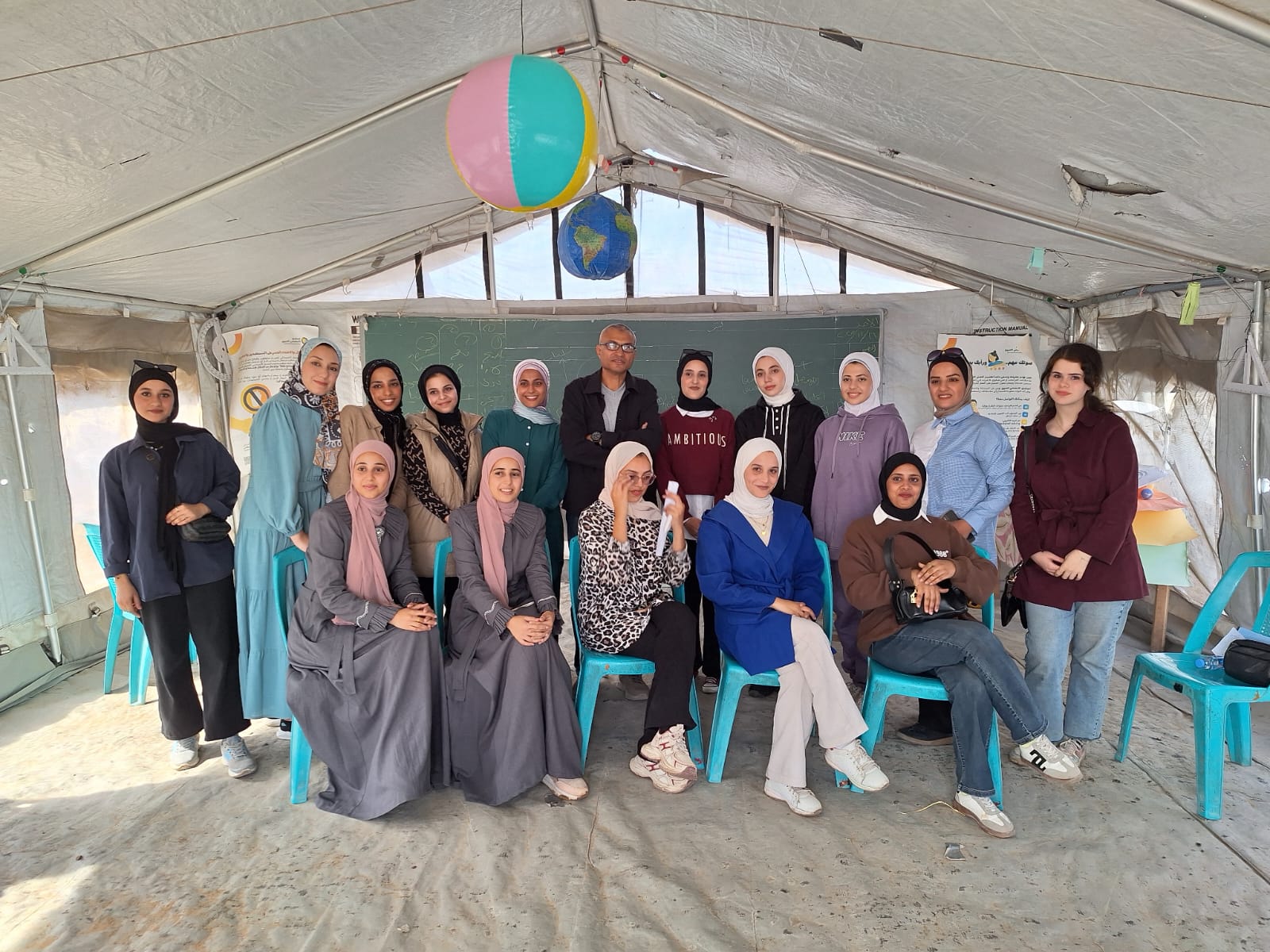
With the outbreak of the war, Dr. Abu Rouqa explained that the cooperative’s medical teams were divided between hospitals and the medical centre, before the centre itself was transformed into a support point providing follow-up care and wound treatment for cases that did not require hospital admission, thereby easing the burden on emergency departments. He added that the centre was later completely destroyed and its medical equipment lost, forcing the cooperative to continue its work through a medical tent offering primary healthcare, wound care and home visits under extremely difficult field conditions, marked by severe shortages of supplies and major restrictions on movement and transport.
The session also addressed the impact of border closures on access to treatment, with Dr. Abu Rouqa stressing that large numbers of patients and injured people require urgent medical referrals outside the Gaza Strip due to the absence of specialised services, amid strict limitations on exit permits. Participants further discussed the psychological and humanitarian burdens borne by medical staff in the context of displacement, home destruction and long working hours under bombardment, as well as the pivotal role played by women workers and volunteers in providing healthcare and psychosocial support in harsh field conditions.
In closing, Maree Bishir, Founder and Director of Majawarah, affirmed that hosting this experience aligns with the Forum’s objective of documenting Palestinian cooperative models and conveying their narratives to relevant stakeholders and supporters. He highlighted the importance of developing support mechanisms suited to the nature of health cooperatives, including financing care pathways and purchasing services to ensure continuity, and ensuring that cooperatives remain central to discussions on recovery, reconstruction and health planning in the Gaza Strip.
نظّمت مؤسسة – مجاورة للحياة والتنمية (المملكة المتحدة)، بالشراكة مع الاتحاد التعاوني العام في فلسطين، جلسة حوارية ضمن منتدى “تعاونيات من فلسطين”، استضافت خلالها الجمعية التعاونية للخدمات الطبية والصحية في قطاع غزة بوصفها نموذجًا تعاونيًا صحيًا نشأ قبل الحرب وتحوّل إلى استجابة ميدانية فاعلة تحت القصف. أدارت الجلسة الكاتبة والباحثة نور حطيط، وشارك فيها كلٌّ من د. محمد أبو روقة مؤسس ورئيس مجلس إدارة الجمعية، وم. عبدالله حجازي أمين صندوق الجمعية وأحد مؤسسيها.
وأوضح د. أبو روقة أن الجمعية حصلت على ترخيصها الرسمي في يونيو/حزيران 2023 بعد مسار تأسيسي بدأ خلال جائحة كورونا، حين بادرت مجموعة من الأطباء والصيادلة والممرضين إلى تقديم العلاج في المنازل بهدف تخفيف الضغط عن المستشفيات والحد من العدوى. وتطورت هذه المبادرة لاحقًا إلى إنشاء تعاونية صحية خدماتية تُعد الأولى من نوعها في قطاع غزة، والثانية على مستوى فلسطين بعد تجربة بيت ساحور. وأضاف أن الجمعية، بعد الترخيص، شرعت في تأسيس مركز طبي تخصصي في حي النصر شمال غرب مدينة غزة، قُدّمت من خلاله خدمات الرعاية الصحية الأولية صباحًا، وعيادات تخصصية مساءً، ضمن نموذج يقوم على تقديم خدمات للأعضاء والمجتمع بأسعار رمزية تضمن استمرارية العمل.
من جانبه، أوضح م. عبدالله حجازي أن المركز صُمّم لتقديم حزمة متكاملة من الخدمات الصحية شملت الطب العام، وطب الأطفال، والنساء والتوليد، والمختبرات، وعيادات الأسنان والبصريات، بهدف تخفيف العبء عن المستشفيات ومراكز الرعاية الصحية العامة. وأشار إلى أن مركز البصريات الذي يملكه، وكان جزءًا من منظومة العمل الصحي التعاوني، تعرّض للتدمير خلال العدوان في أكتوبر/تشرين الأول 2025، في سياق الخسائر الواسعة التي لحقت بالبنية الصحية والمدنية في قطاع غزة.
ومع اندلاع الحرب، بيّن د. أبو روقة أن طواقم الجمعية توزعت بين المستشفيات والمركز الطبي، قبل أن يتحول المركز إلى نقطة إسناد لتقديم المتابعات الطبية ورعاية الجروح للحالات التي لا تتطلب التنويم، بما ساهم في تخفيف الضغط عن أقسام الطوارئ. وأضاف أن مقر المركز تعرّض لاحقًا للتدمير الكامل، وفقدت الجمعية تجهيزاتها الطبية، ما دفعها إلى مواصلة العمل عبر خيمة طبية تواصل تقديم خدمات الرعاية الصحية الأولية، ورعاية الجروح، والزيارات المنزلية، في ظل ظروف ميدانية شديدة الصعوبة ونقص حاد في الإمدادات وصعوبات كبيرة في الحركة والمواصلات.
كما تطرقت الجلسة إلى أثر إغلاق المعابر على فرص العلاج، حيث شدد د. أبو روقة على وجود أعداد كبيرة من المرضى والجرحى الذين يحتاجون إلى تحويلات عاجلة لتلقي العلاج خارج القطاع بسبب غياب الخدمات التخصصية، في ظل قيود مشددة على خروج الحالات. وناقش المشاركون أيضًا الأعباء النفسية والإنسانية التي يتحملها الكادر الطبي، في ظل النزوح وتدمير المنازل والعمل لساعات طويلة تحت القصف، إضافة إلى الدور المحوري الذي تؤديه النساء العاملات والمتطوعات في تقديم الرعاية الصحية والدعم النفسي في الظروف الميدانية القاسية.
وفي ختام الجلسة، أكد مرعي بشير، مؤسس ومدير مؤسسة مجاورة، أن استضافة هذه التجربة تأتي في إطار هدف المنتدى الرامي إلى توثيق النماذج التعاونية الفلسطينية وإيصال روايتها إلى الجهات الفاعلة والداعمة. وأشار إلى أهمية تطوير آليات دعم تتلاءم مع طبيعة التعاونيات الصحية، من خلال تمويل مسارات الرعاية وشراء الخدمة بما يضمن الاستمرارية، وإبقاء التعاونيات حاضرة في نقاشات التعافي وإعادة الإعمار والتخطيط الصحي في قطاع غزة.