
Mujawarah for Life and Development
In Palestine, life is not measured by what people own, but by what they manage to preserve amid constant attempts at erasure. There, where the everyday becomes a struggle for survival, the cooperative movement rises as one of the most resilient and enduring forms of steadfastness. These are not merely economic cooperatives, but a way of declaring: We are still here.
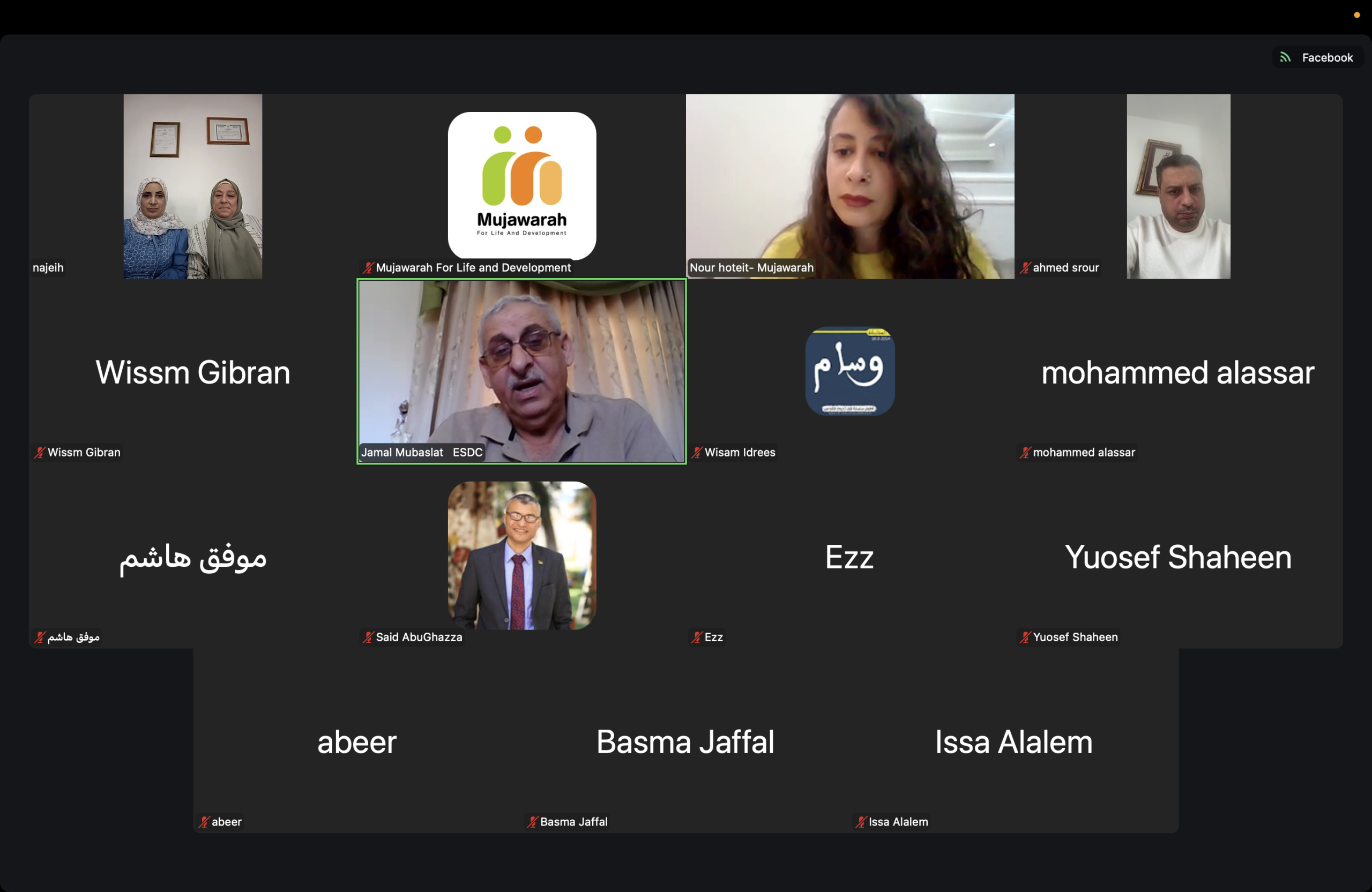
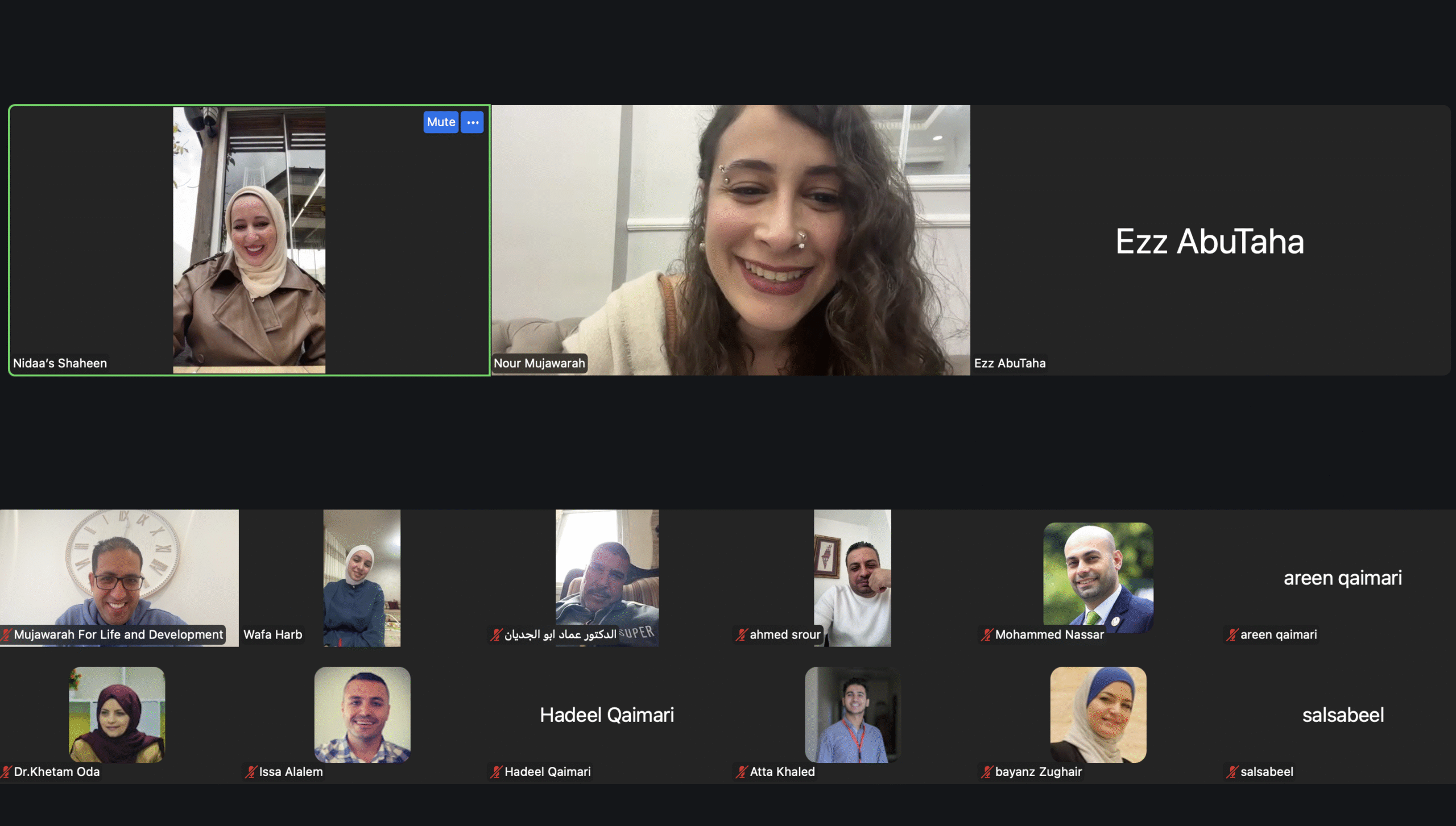
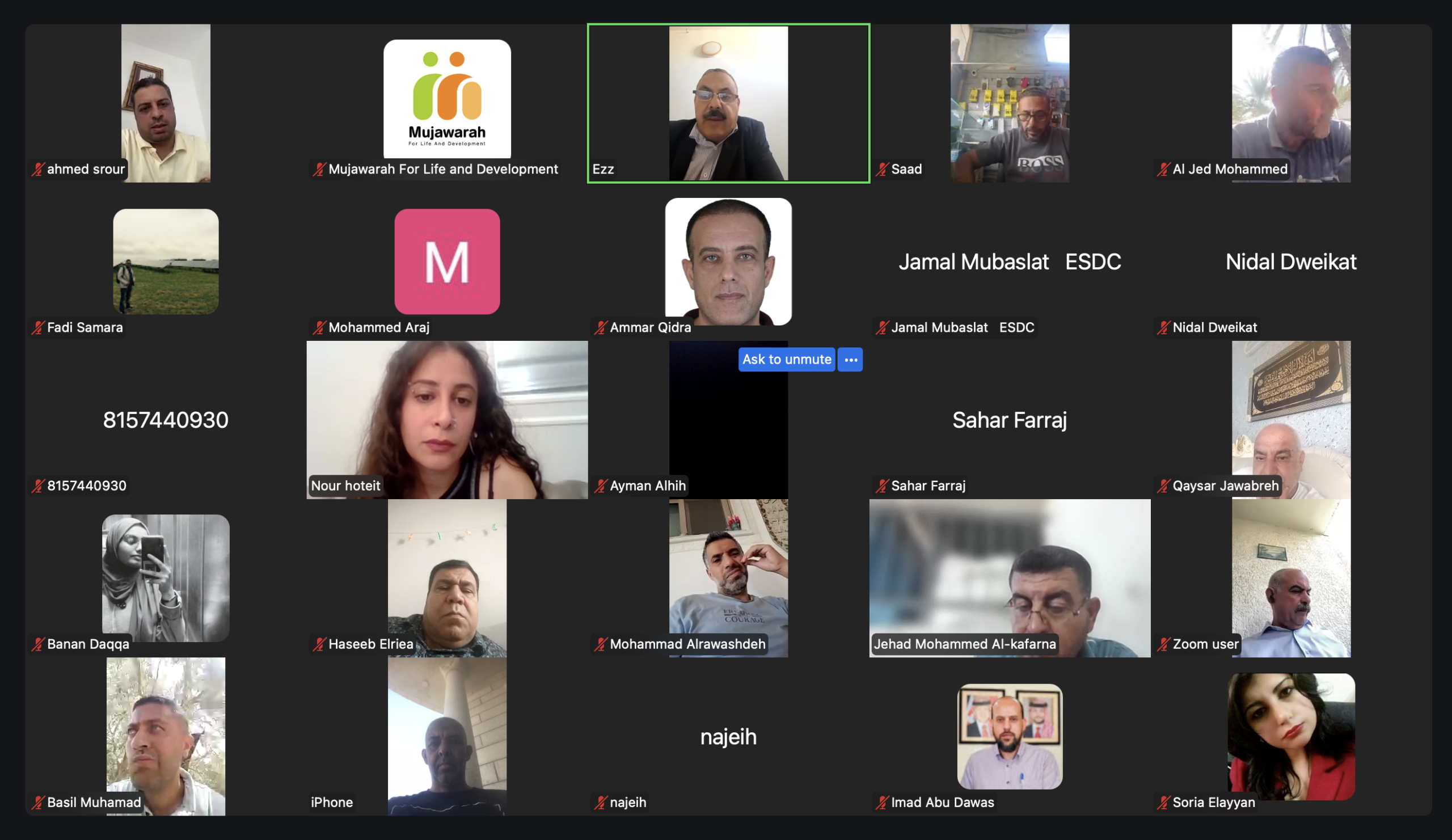
From this understanding emerged the initiative Mujawarah for Life and Development CIC, which partnered with the General Cooperative Union in Palestine to organise a series of dialogue sessions entitled “Cooperatives from Palestine.” The aim was to create a space for voices from the ground to tell their own stories – to show how cooperation, under occupation, settlement, war, siege, and displacement, becomes not only a tool for production but a means of survival and dignity.
At the opening of the dialogue, Lebanese writer and researcher Nour Hoteit, who facilitated the session, offered what sounded like a small manifesto for a whole philosophy:
“Mujawarah is an initiative born from the midst of devastation – from a belief that action is what drives history.”
Nour paused at a concept she chose as a key to understanding: social extermination. She explained that what is happening in Palestine is not merely the destruction of homes and fields, but the erasure of the very capacity for shared life and collective production – the dismantling of society itself. The occupation, she noted, does not only confiscate land, but kills the memory that binds people to it: farming, rain, crafts, the hand that sews a dress to keep meaning alive. From this perspective, cooperative work becomes more than a means of livelihood – it is a network of resistance against erasure, safeguarding what remains of human relationships and ancestral knowledge that cannot be bombed out of existence.
Maree Bashir, founder and director of Mujawarah for Life and Development in the United Kingdom, spoke with the steady voice of long field experience:
“We are trying to reclaim the idea of cooperatives as something that belongs to the people – built from the bottom up, not the other way around.”
He explained that, for Mujawarah, cooperation must emerge from people’s daily needs rather than from top-down programmes or pre-set development models. Hence the initiative launched its “Cooperatives for the People” programme – a grassroots space for cooperative learning and community empowerment. Its purpose is to restore the human essence of collective work: a means of dignity and participation, not merely survival.
Then Mr. Ezzeddine Abu Taha, Secretary General of the General Cooperative Union in Palestine, spoke from a lifetime rooted in the land and in practice. He began simply, defining a cooperative as:
“An economic and social institution established by at least fifteen members to meet their common needs through their own contributions and democratic management.”
He added:
“A cooperative is neither a company nor a charity; it is a social and community-based institution managing an economic project for the benefit of its members and the wider community.”
“A cooperative gathers people, not money.”
In these few sentences, he summed up the philosophy of cooperation in Palestine: an economy for the people, not on the people.
Abu Taha traced the story back to its roots – to the tradition of ‘al-‘awneh’, the age-old practice of mutual aid in farming and collective labour, long before the emergence of modern cooperatives.
“The first Palestinian cooperative was established in 1924 in Acre for tobacco producers, and since then, the history of cooperatives has been intertwined with the national struggle.”
Despite decades of occupation and prohibition, the idea never disappeared. With the establishment of the Palestinian Authority in the 1990s, cooperatives began to flourish again – particularly in housing, helping Palestinians to secure their presence in Jerusalem, the West Bank, and Gaza in the face of displacement and settlement expansion.
Abu Taha spoke in numbers, but his tone carried feeling. Around 700 cooperatives are registered in Palestine, of which about 350 are active. More than half operate in the agricultural sector, the rest in housing, crafts, and services. Cooperative membership represents roughly 1% of the population, compared to a global average of 16%. Yet, beyond these small figures lies immense strength: fields cultivated despite checkpoints, women’s workshops recycling fabric remnants, and associations producing seedlings from the ashes of destroyed homes. Abu Taha lamented:
“Today, cooperatives pay taxes like private-sector entities, even though they reinvest 10% of their surplus into local community and development funds.”
Then, with a quiet, confident smile, he added:
“But they are still alive – and that makes all the difference.”
During the dialogue, Amani Abu ‘Arees from the Tulkarem Cooperative for Handicrafts and Artisanal Work shared her experience in a determined voice:
“We dream of reopening our workshops. We only need modest support to continue. The political and security conditions have destroyed so much – but we are still trying.”
Amani founded her cooperative with twenty women in 2018, working in sewing, embroidery, leather, and printing. Work stopped during the COVID-19 pandemic, then again with the outbreak of war. Yet, the women never stopped altogether. Her words captured the essence of what many live daily: that collective work is an act of life in the face of loss. Abu Taha added that women’s presence in the cooperative movement is steadily increasing, with some leading entire unions such as savings, credit, and craft cooperatives, representing roughly a quarter of the Union’s leadership.
The dialogue then turned to Gaza, where the wound lies open. A video was shown, revealing the vast destruction that befell agricultural and housing cooperatives: buildings reduced to rubble, greenhouses turned to ash, lands once vibrant now grey with silence. More than twenty-five cooperatives were totally or partially destroyed, leaving hundreds of families without their only source of income. Yet, from amid the ruins came voices saying:
“The war destroyed everything – but we will rebuild what has been lost.”
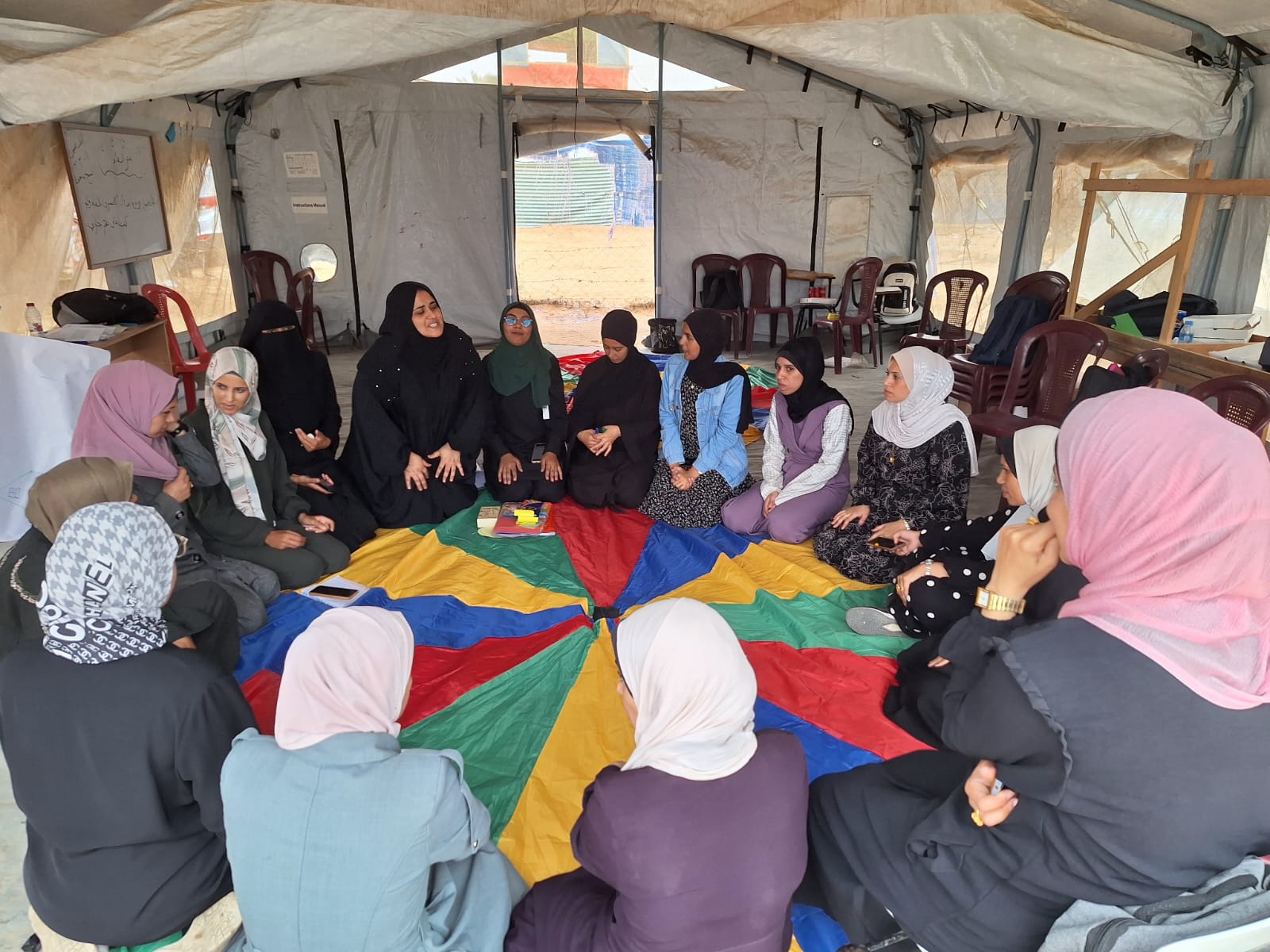
From this devastation, small initiatives began to sprout in camps and ruined villages: farmers reclaiming what little land remained; women establishing temporary workshops for handicrafts; young people forming community relief networks to support local production. These scenes bore witness to the truth that agriculture and cooperative work in Palestine are not mere economic activities, but acts of resistance and persistence – ways to keep life itself going.
Abu Taha concluded his remarks:
“Cooperatives are tools of steadfast presence, not just economic projects.”
In the Jordan Valley, in Jerusalem, and in Area C, cooperatives strive to keep people rooted in their land, creating local alternatives to settlement and monopoly, turning cooperation into another form of resistance – quiet, enduring, and as steadfast as the roots of the olive tree.
The dialogue concluded with final words from Maree Bashir, capturing the essence of it all:
“The aim of the Cooperatives from Palestine forum is to make the unseen visible – to bring the voices of cooperatives into the light, so they can be recognised as part of the living history of Palestinian action.”
It was more than an online meeting; it was a story of life told by those living it. The collective voice carried one truth: that cooperative action in Palestine is not merely an economic choice, but a daily form of resistance – resistance through weaving, through seeds, and through the belief that community can protect life itself.
حواريّة مع الحركة التعاونية الفلسطينية: حين يصبح التعاون فعل بقاء
في فلسطين، لا تُقاس الحياة بما يملكه الناس، بل بما ينجحون في الحفاظ عليه وسط محاولات المحو المستمرة. هناك، حيث يتحوّل اليوميّ إلى معركة بقاء، تنهض الحركة التعاونية كأحد أشكال الصمود الأكثر مقاومة واستمرارية. ليست تعاونيات اقتصادية فحسب، بل طريقتها الخاصة في قول: نحن ما زلنا هنا
من هذا المعنى، انطلقت مبادرة مجاورة للحياة والتنمية بالشراكة مع الاتحاد التعاوني العام في فلسطين لتنظيم سلسلة حواريات بعنوان “تعاونيات من فلسطين”. كانت الفكرة أن يُفتح المجال للأصوات القادمة من الأرض لتروي بنفسها كيف يتحوّل التعاون من أداة للإنتاج إلى وسيلة للبقاء والكرامة، رغم الاحتلال والاستيطان، والحرب، والحصار، والتهجير
:في بداية اللقاء، تحدثت ميسرة الحوارية الكاتبة والباحثة اللبنانية نور حطيط بكلمات أشبه بإعلان صغير عن فلسفة كاملة
“مجاورة هي مبادرة وُلدت من وسط الخراب، من الإيمان بأن الفعل هو ما يحرك التاريخ“
توقفت نور عند مصطلحٍ اختارته كمفتاح للفهم: الإبادة المجتمعية، قالت إن ما يحدث في فلسطين لا يقتصر على تدمير البيوت والحقول، بل يشمل محو القدرة على العيش المشترك والإنتاج المشترك، أي تفكيك المجتمع نفسه. فالاحتلال، كما ترى، لا يصادر الأرض فقط، بل يقتل الذاكرة التي تربط الناس بها: الزراعة، المطر، الحِرف، واليد التي تخيط ثوباً كي يبقى المعنى حياً. ومن هنا، يصبح العمل التعاوني أكثر من وسيلة للعيش – إنه شبكة مقاومة للحذف، تحمي ما تبقّى من المعرفة والعلاقات الإنسانية التي لا يمكن قصفها
:تحدّث مرعي بشير، مؤسس ومدير مجاورة للحياة والتنمية في المملكة المتحدة، بصوتٍ يحمل أثر الميدان وتجربة العمل الطويلة، قائلاً
“نحن نحاول أن نستعيد مفهوم التعاونيات ليكون قريباً من الناس، يأتي من تحت إلى فوق، لا العكس“
أوضح أن فكرة التعاون، كما تراها مجاورة، تنبع من حاجات الناس اليومية، لا من المبادرات الفوقية أو البرامج الجاهزة. لذلك أطلقت مجاورة برنامجها “تعاونيات للناس“ ليكون مساحة لتكوينٍ تعاونيّ شعبيّ، يقوم على الصمود والتمكين، ويعيد إلى العمل الجماعي معناه الإنسانيّ البسيط: أن يكون أداةً للكرامة والمشاركة، لا مجرّد وسيلة للعيش
:بعدها، تحدّث أ. عزّ الدين أبو طه، الأمين العام للاتحاد التعاوني العام في فلسطين، بخبرة منغرسة في الأرض والعمل، فاختار أن يبدأ من الأساس، معرفاً التعاونية ببساطة قائلاً
“هي مؤسسة اقتصادية اجتماعية تُؤسَّس من خمسة عشر عضواً على الأقل، لتلبية احتياجاتهم المشتركة عبر مساهماتهم الذاتية وإدارتهم الديمقراطية”
:ثم أردف موضحاً
“التعاونية ليست شركة ولا جمعية خيرية، هي مؤسسة اجتماعية مجتمعية تدير مشروع اقتصادي لمصلحة اعضاءها والمجتمع”
“التعاونية تجمع للافراد وليس تجمع للاموال”
بهذه الجمل، اختصر فلسفة التعاون في فلسطين: اقتصادٌ للناس، لا عليهم
:أعاد أبو طه الحكاية إلى جذورها الأولى، إلى زمن “العونة” – التعاون الفلاحي في الزراعة والعمل الجماعي – الذي سبق ظهور التعاونيات الحديثة بزمنٍ طويل. قال
أول جمعية تعاونية فلسطينية تأسست عام 1924 في عكا لمنتجي التبغ، ومنذ ذلك الحين ارتبط تاريخ التعاونيات بمراحل نضال المجتمع الفلسطيني”
ورغم سنوات الاحتلال والمنع، لم تختفِ الفكرة. ومع قيام السلطة الوطنية الفلسطينية في التسعينيات، عادت لتزدهر، خصوصاً في التعاونيات الإسكانية التي ساعدت الفلسطينيين على تثبيت وجودهم في القدس والضفة الغربية وقطاع غزة في وجه التهويد والتوسع الاستيطاني
يتحدث أبو طه بالأرقام، لكن صوته لا يخلو من الشعور. هناك نحو سبعمائة تعاونية مسجّلة في فلسطين، يعمل منها فعلياً حوالي ثلاثمئة وخمسون. أكثر من نصفها في القطاع الزراعي، والبقية بين الإسكان والحرف والخدمات. النسبة العامة للأعضاء التعاونيين لا تتجاوز واحدًا في المئة من المجتمع، مقارنةً بمتوسط عالمي يصل إلى ستة عشر في المئة. ورغم ضآلة الأرقام، تكمن القوة في التفاصيل الصغيرة: الحقول التي تُزرع رغم الحواجز، والمشاغل النسائية التي تُعيد التدوير من بقايا القماش، والجمعيات التي تُنتج الأشتال من رماد البيوت المهدّمة. قال أبو طه بأسى
“التعاونيات اليوم تدفع ضرائب مثل القطاع الخاص، رغم أنها تُعيد 10% من فائضها لصندوق المجتمع المحلي وصندوق التنمية “
ثم أضاف بابتسامة واثقة
“لكنها ما زالت تعيش… وهذا هو الفارق”
:خلال الحوار، شاركت أماني أبو عريس من جمعية طولكرم التعاونية للأشغال اليدوية والحرفية. تحدثت بصوتٍ ثابت مليء بالإصرار
“نحلم أن نعيد فتح مشاغلنا، نحتاج دعماً بسيطاً فقط لنواصل. الظروف السياسية والأمنية دمّرت، لكننا ما زلنا نحاول
أسست أماني جمعيتها مع عشرين امرأة عام 2018، يعملن في الخياطة والتطريز والجلود والطباعة. توقّف العمل أثناء جائحة كوفيد ١٩، ثم عادت الحرب لتغلق الأبواب مجدداً، لكن النساء لم يتوقفن. كانت كلماتها تلخّص ما يعيشه كثيرون: أن العمل الجماعي فعل حياة في وجه الفقد. ويشير أبو طه إلى أن النساء يشكلن حضوراً متزايداً في الحركة التعاونية، بل يرأسن اتحادات كاملة مثل التوفير والتسليف والحرف، بنسبة تمثيل تصل إلى الربع في الاتحاد العام
ثم انتقل الحديث إلى غزة، حيث فُتح الجرح على اتساعه. عُرض مقطع مصوّر يُظهر الدمار الهائل الذي لحق بالتعاونيات الزراعية والإسكانية: مبانٍ سُوّيت بالأرض، وبيوت زجاجٍ تحوّلت إلى رماد، وأراضٍ كانت عامرة بالخُضرة تحوّلت إلى صمتٍ رمادىّ. أكثر من خمسٍ وعشرين جمعية تضرّرت كلياً أو جزئياً، ومئات العائلات فقدت مصدر رزقها الوحيد
:ورغم حجم الخراب، ارتفعت أصوات من وسط الركام تقول
“الحرب دمّرت كل شيء، لكننا سنعيد بناء ما تهدّم”
من قلب هذا الخراب وُلدت مبادرات صغيرة في المخيمات والقرى المدمَّرة؛ مزارعون أعادوا استصلاح ما تبقّى من الأرض، ونساء نظّمن مشاغل مؤقتة للحرف اليدوية، وشباب شكّلوا شبكات إغاثة مجتمعية لدعم الإنتاج المحلّى
كانت تلك المشاهد دليلاً على أن الزراعة والعمل التعاوني في فلسطين ليسا مجرّد نشاطٍ اقتصادي، بل فعل مقاومة واستمرار للحياة
:قال أبو طه في نهاية مداخلته
“التعاونيات هي أدوات تثبيت وجود، وليست مجرد مشاريع اقتصادية”
في الأغوار والقدس ومناطق (ج)، تحاول التعاونيات أن تُبقي الناس على أرضهم، تخلق بدائل محلية في وجه الاستيطان والاحتكار، وتحول التعاون إلى شكل آخر من المقاومة – هادئة، مستمرة، ومتماسكة مثل جذور الزيتون
:اختُتمت الحوارية بكلمةٍ من مرعي بشير، اختصر فيها كل ما قيل
“هدف منتدى تعاونيات من فلسطين هو تحويل غير المرئي إلى مرئي. نريد أن نُخرج أصوات التعاونيات إلى النور، لتُرى كجزء من التاريخ الحيّ للفعل الفلسطيني”
كانت تلك الجلسة أكثر من لقاء عبر الإنترنت. كانت حكاية حياة تُروى من أفواه أصحابها، كان الصوت واحداً: أن الفعل التعاوني ليس مجرد خيار اقتصادي، بل شكل من أشكال المقاومة اليومية – مقاومة بالنسيج، بالبذور، وبالإيمان بأن الجماعة قادرة على حماية الحياة