
Mujawarah for Life and Development
Dialogue with the Beit Emmaus Cooperative – Jerusalem: When Women Create the Act of Life
Where Bread Meets the Earth
In Jerusalem, where the scent of bread mingles with the scent of the soil, stories are born from working hands. In the village of al-Qubeibeh, northwest of the city, a group of women chose to confront fragmentation with togetherness, to plant the act of life in the face of siege. From their small kitchens emerged an idea, and from cooperation a space was born — Beit Emmaus Cooperative — where women gather around work, participation, and dignity, making food as they make hope.
This dialogue opens a window onto a collective women’s experience that redefined cooperative work in Jerusalem, not merely as an economic project, but as a way of life and a form of human endurance.
A Spirit That Does Not Fade
At the heart of a city that lives on the edge of possibility, the spirit of cooperation continues to pulse despite every restriction. In a society facing layered and ongoing challenges, the women created a space of their own — one that reimagines development from the perspective of ordinary people and revives the old spirit of ‘aouna’ (mutual aid) that has long united Palestinian communities. Cooperation here is not a ready-made model but an act born from need, and from a deep desire to live.
A Small Kitchen and a Shared Dream
Among the many stories, the experience of Beit Emmaus Food Production Cooperative stands out as one of Jerusalem’s most inspiring. It was told by Najba Idris, the head of the association, and Nabiha Salman, its treasurer. The cooperative was founded in 2018 by women from al-Qubeibeh and the surrounding areas of Jerusalem, brought together by a simple idea: transforming home-based labour into a collective, organised, and sustainable project.
“We started from our need to organise and unify our work,” they said. “We wanted a space that enables women to develop their skills and market their products with their own hands.”
It all began in a small kitchen before evolving into a cooperative that now includes more than twenty-four members. The women produce traditional Palestinian foods — ka‘ak, maftoul, molokhiya, and za‘atar — each item carrying within it a fragment of their story. Every recipe is a thread of collective memory passed from grandmothers to granddaughters, and every scent of freshly baked bread a quiet promise that the home still stands, despite all that has changed.
A Path Full of Challenges
The journey has not been easy. The women face economic and logistical obstacles — from rising prices of raw ingredients to closures that sever roads between villages. At times, orders are delayed or even spoiled before reaching the market. Yet, the work never stops. During the pandemic, when the roads were completely closed, the cooperative opened a small space to sell their products directly to the local community — an act that reflected both self-reliance and a deep desire to carry on despite the daily complications of life.
More Than a Workplace
Over time, the cooperative has become a second home for its members — a place where they share work, responsibility, ideas, and laughter. In these daily encounters, warm human relationships are woven, resembling one large family. As one woman said in a short film documenting their experience:
“If I don’t hear the sound of ka‘ak being shaped in the cooperative, I feel like Eid is still far away.”
In that simple sentence lies the heart of it all — that work is not merely a means of living, but a way to create meaning and renew the spirit.
Beyond the Wall
Despite the spatial divisions imposed by the separation wall, the cooperative continues its activities among the villages of Jerusalem, crossing barriers with quiet persistence. Each meeting requires its own careful arrangements; each delivery faces the risk of delay or denial. Yet the determination to continue is stronger than every obstacle. Through this steady rhythm of daily effort, Beit Emmaus has become a living example of local development built on participation, shared production, and solidarity among women.
The Sound of Continuing Life
By the end of the dialogue, what remained in everyone’s mind was the sound of women continuing their work, day after day. From the old stone houses of al-Qubeibeh drifted the scent of ka‘ak and za‘atar, a simple sign of a small victory — that life can be remade by the hand that kneads and the heart that never tires. Beit Emmaus is no longer just a cooperative; it is a living testimony that an economy can hold within it the face of justice, and that collective work in Jerusalem is not a social luxury but a lifeline that ties people to one another and to their land.
Perhaps these stories do not change the world, but they change something deep within us — reminding us that when women come together around life itself, they hold the power to shape tomorrow, with hands that work and hearts that endure.
Cooperatives from Palestine
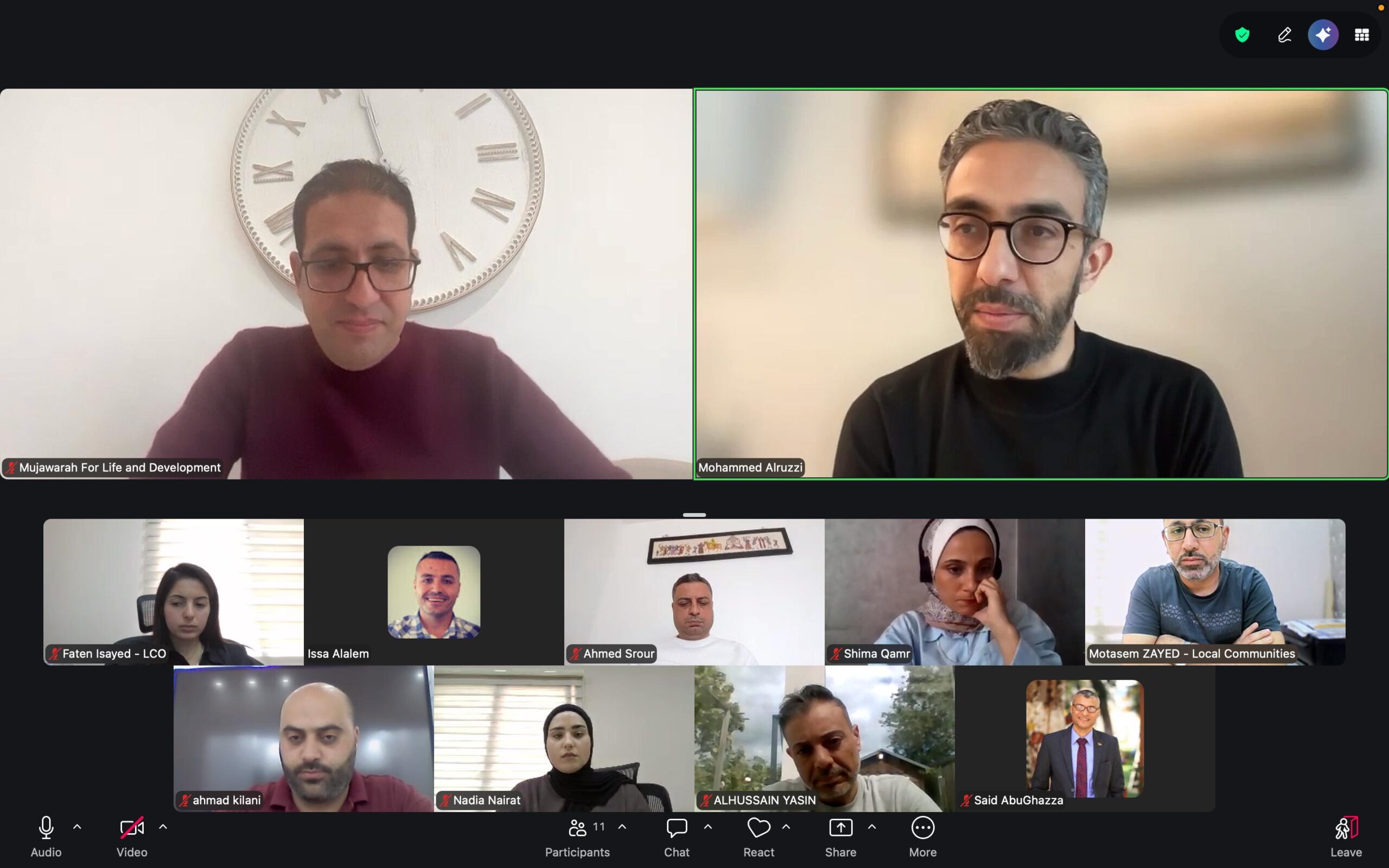
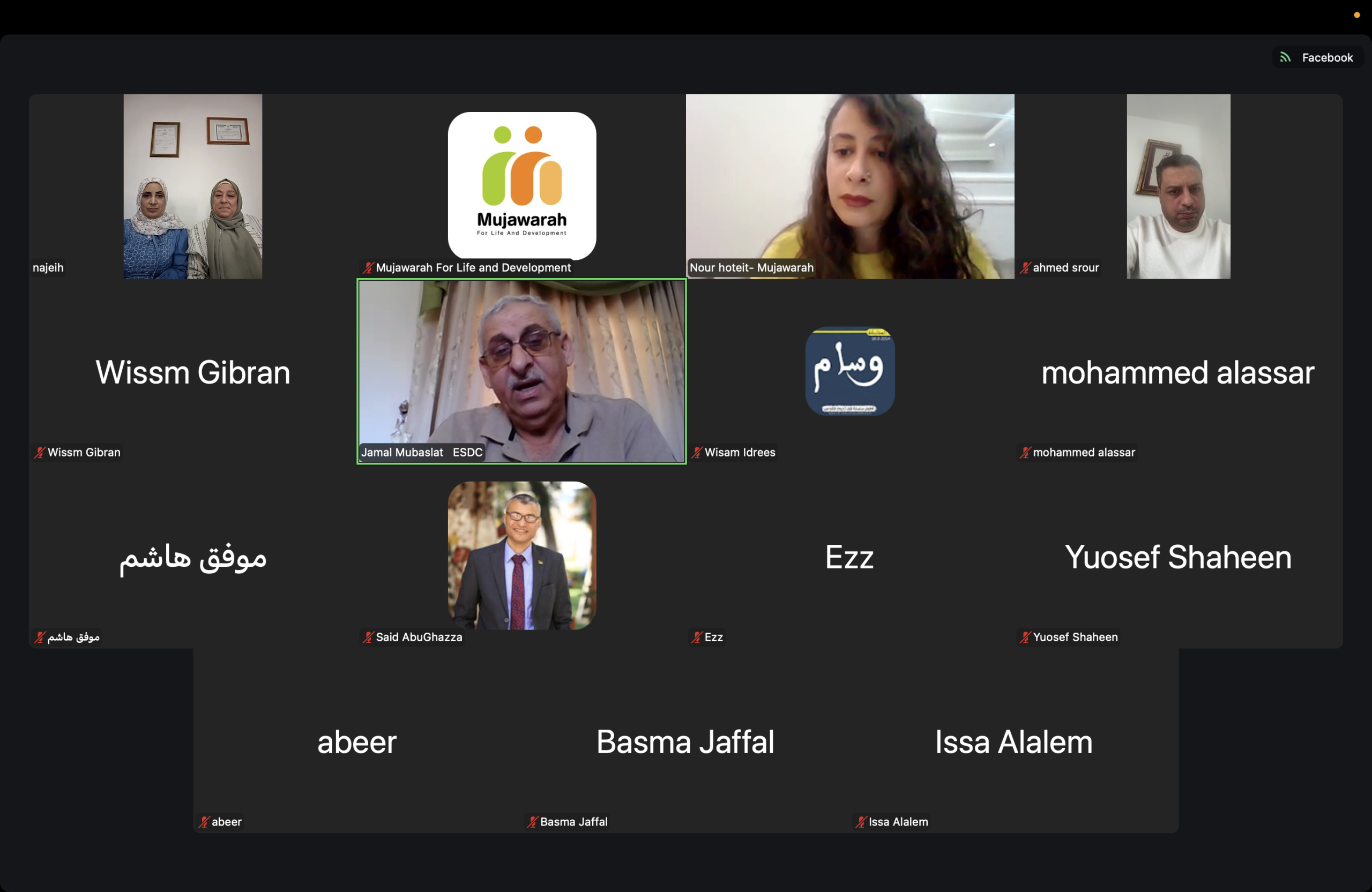
This dialogue is part of the series “Cooperatives from Palestine”, launched by Mujawarah for Life and Development – UK in partnership with the General Cooperative Union of Palestine. The initiative opens new windows onto local experiences where people tell their own stories — as they are, without embellishment or mediation. The aim is not merely to document cooperatives but to listen to the rhythm of daily life as it is shaped by those who live it, transforming quiet voices into a living narrative of shared work and community in Palestine today. From a kitchen in Jerusalem to a field in the West Bank and an idea from Gaza, these stories remind us that cooperative action remains one of the purest and most human forms of life.
حواريّة مع تعاونية بيت عمواس – القدس: حين تصنع النساء فعل الحياة
حيث يلتقي الخبز بالأرض
في القدس، حيث تختلط رائحة الخبز برائحة التراب، تولد الحكايات من الأيدي العاملة. في بلدة القبيبة شمال غرب المدينة، قررت مجموعة من النساء أن يواجهن التفتت بالتكاتف، وأن يزرعن في وجه الحصار فعل الحياة. من مطابخهن الصغيرة خرجت الفكرة، ومن التعاون وُلدت جمعية بيت عمواس التعاونية، مساحة تجتمع فيها النساء حول العمل والمشاركة والكرامة، ليصنعن الطعام كما يصنعن الأمل. هذه الحوارية تفتح نافذة على تجربة نسوية جماعية أعادت تعريف العمل التعاوني في القدس، لا بوصفه مشروعاً اقتصادياً فحسب، بل كطريقةٍ للحياة وشكلٍ من أشكال الاستمرار الإنساني.
روح لا تنطفئ
في قلب مدينةٍ تعيش على حافة الممكن، ما تزال روح التعاون تنبض رغم كل القيود. في مجتمعٍ يواجه تحدياتٍ متشابكة، اختارت النساء أن يصنعن فضاءً خاصاً بهن، يُعيد تعريف التنمية من وجهة نظر الناس أنفسهم، ويستعيد روح “العونة” القديمة — تلك الممارسة الجماعية التي طالما جمعت الفلسطينيين في حياتهم اليومية. فالتعاون هنا ليس نموذجاً جاهزاً، بل فعلٌ يولد من الحاجة، ومن الرغبة العميقة في الحياة.
مطبخ صغير… وحلم جماعي
من بين الحكايات الكثيرة، تبرز تجربة بيت عمواس التعاونية للتصنيع الغذائي كواحدة من التجارب الملهمة في القدس، تجربة روتها نَجبة إدريس، رئيسة الجمعية، ونبيهة سلمان، أمينة الصندوق. تأسست الجمعية عام 2018 بمبادرة من نساء من القبيبة ومحيط القدس، اجتمعن حول فكرة بسيطة: تحويل العمل المنزلي إلى مشروع جماعي منظم ومستدام. تقول السيدتان: “بدأنا من حاجتنا لتصويب العمل وتوحيده، أردنا مساحة تمكّن النساء من تطوير مهاراتهن وتسويق منتجاتهن بأيديهن.” كانت البداية من مطبخٍ صغير، قبل أن تتحول المبادرة إلى جمعية تضم اليوم أكثر من أربعٍ وعشرين عضوة. تنتج النساء أطعمةً فلسطينية تقليدية مثل الكعك والمفتول والملوخية والزعتر، وكل منتجٍ يحمل في تفاصيله جزءاً من الحكاية. كل وصفة هي ذاكرة جماعية تنتقل من الجدّات إلى الحفيدات، وكل رائحة خبزٍ هي وعدٌ بأن البيت ما زال قائماً رغم كل ما تغيّر.
طريق مليء بالتحديات
لم يكن الطريق سهلاً. تواجه النساء صعوباتٍ اقتصادية ولوجستية – من ارتفاع أسعار المواد الخام إلى الإغلاقات التي تقطع الطرق بين القرى. أحياناً تتأخر الطلبات أو تتلف المنتجات قبل أن تصل إلى السوق، ومع ذلك لا يتوقف العمل. خلال الجائحة، حين أُغلقت الطرق تماماً، افتتحت الجمعية مساحة صغيرة لبيع منتجاتها مباشرة للمجتمع المحلي، خطوة تعبّر عن الاعتماد على الذات والرغبة في الاستمرار رغم التعقيدات اليومية.
أكثر من مكان عمل
مع الوقت، تحوّلت الجمعية إلى بيتٍ ثانٍ لعضواتها – مكانٍ يتشاركن فيه العمل والمسؤولية والأفكار والضحك أيضاً. في تلك اللقاءات اليومية تولد علاقاتٌ إنسانية دافئة تشبه العائلة الكبيرة. تقول إحدى السيدات في فيلمٍ قصيرٍ يوثق التجربة: “اليوم إذا ما سمعت صوت دقّ الكعك في الجمعية، بحسّ إن العيد لسه بعيد.” في هذه الجملة الصغيرة تختصر الفكرة كلها – أن العمل ليس مجرد وسيلةٍ للعيش، بل طريقةٌ لخلق المعنى وتجديد الروح.
ما وراء الجدار
رغم الانقسام المكاني الذي فرضه الجدار العازل، تواصل الجمعية نشاطها بين القرى المقدسية، متجاوزة الحواجز بروحٍ من المثابرة اليومية. لكل اجتماعٍ ترتيباته الخاصة، ولكل شحنةٍ احتمال التأخير أو المنع، لكن الإصرار على الاستمرار أقوى من كل العراقيل. من خلال هذا الإيقاع اليومي المتواصل، تحوّلت بيت عمواس إلى نموذجٍ حيّ للتنمية المحلية القائمة على المشاركة، والإنتاج المشترك، والتكافل بين النساء.
صوت الحياة المستمر
في نهاية الحوار، بقي في الأذهان صوت النساء وهنّ يواصلن العمل كل يوم. من بين جدران القبيبة القديمة خرجت رائحة الكعك والزعتر كإعلانٍ بسيطٍ عن انتصارٍ صغير: أن الحياة يمكن أن تُصنع من جديد باليد التي تعجن، وبالقلب الذي لا يتعب. بيت عمواس لم تعد مجرّد تعاونية، بل شهادة حيّة على أن الاقتصاد يمكن أن يحمل وجه العدالة، وأن العمل الجماعي في القدس ليس ترفًا اجتماعيًا، بل خيط حياةٍ يربط الناس ببعضهم وبأرضهم. ربما لا تغيّر هذه القصص العالم، لكنها تغيّر فينا شيئاً عميقاً- تذكّرنا أن النساء، حين يجتمعن على الحياة، يصبحن قادراتٍ على صياغة الغد بخطّ اليد، ببساطةٍ تشبه المعجزة.
تعاونيات من فلسطين
تأتي هذه الحوارية ضمن سلسلة “تعاونيات من فلسطين“ التي أطلقتها مجاورة للحياة والتنمية – بريطانيا بالشراكة مع الاتحاد التعاوني العام في فلسطين. تهدف هذه المبادرة إلى فتح نوافذ جديدة على التجارب المحلية، حيث يروي الناس قصصهم بأنفسهم – كما هي، دون تزيين أو تصفية. ليست الغاية مجرد توثيقٍ للتعاونيات، بل الإصغاء إلى إيقاع الحياة اليومية كما يصنعها أصحابها، وتحويل الأصوات الهادئة إلى سردٍ حيّ عن التعاون والعمل المشترك في فلسطين اليوم. من مطبخٍ في القدس إلى حقلٍ في الضفة الغربية ثم فكرة من غزة، تذكّرنا هذه القصص أن الفعل التعاوني ما يزال أحد أنقى أشكال الحياة وأكثرها إنسانية.