The “Cooperatives from Palestine” Dialogue Forum, organised by Mujawarah for Life and Development – UK in partnership with the General Cooperative Union – Palestine, held a discussion session dedicated to exploring the experience of the Beit Sahour Cooperative Society for Health Welfare.
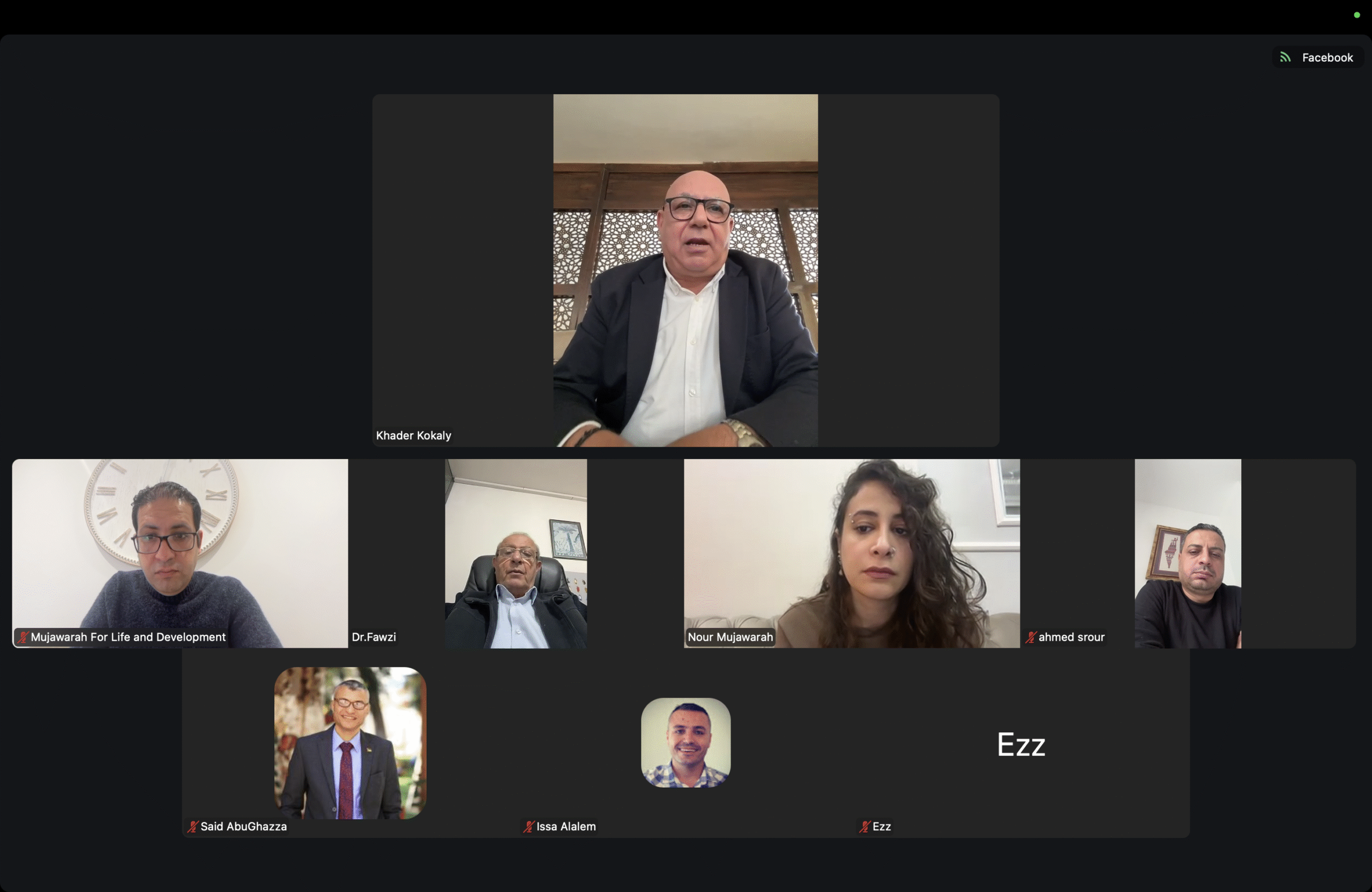
The session hosted Dr. Khader Kokaly, Chair – BSCS, and Dr. Fawzi Salameh, Medical Director, and was facilitated by Nour Hoteit.
Dr Khader Kokaly opened the dialogue by presenting the early foundations of the cooperative, which was established in 1959 in the historic city of Beit Sahour, known as the City of the Shepherds. The initiative emerged from a group of teachers, craftsmen, and the town’s first physician, who sought to create a community-based cooperative providing essential health services in the absence of accessible medical care at the time.
Over the decades, the cooperative grew from a small members-only clinic into a health centre, then a dispensary, and later Shepherds’ Field Hospital, culminating in the new hospital now approaching completion.
Speakers highlighted the cooperative’s remarkable resilience in maintaining its services through successive crises — from the First Intifada, to the long COVID-19 lockdowns in Bethlehem, to the ongoing economic challenges. Sustainability across these decades relied on member subscriptions, community fundraising, and the support of Palestinian diaspora communities. Additional support came from the Palestinian presidency, which contributed most of the cost of the land for the new hospital, as well as from Palestinian pharmaceutical companies that supplied free medicines during periods of closure.
The discussion also addressed the impact of Israeli military checkpoints and gates, which isolate surrounding villages and obstruct access to healthcare, particularly in emergencies. Participants shared cases in which medical teams were forced to intervene at these gates after patients were prevented from crossing by the Israeli occupation, alongside details of the cooperative’s home-visiting programme for postpartum women in hard-to-reach areas.
Dr. Fawzi Salameh, Medical Director, explained the cooperative’s governance structure, emphasising its adherence to international cooperative principles: open membership, democratic management, oversight committees, and non-distribution of profits. He stressed that the true value of membership lies in participation and shared ownership rather than financial privileges.
Regarding service development, Dr. Khader Kokaly outlined that the new 5,000-square-metre hospital will include emergency, maternity, outpatient, endoscopy and surgical departments. The cooperative currently requires approximately half a million US dollars to finalise essential finishing works and medical equipment prior to opening.
The session concluded by underscoring the significance of the Beit Sahour experience as a rooted Palestinian model of cooperative healthcare that offers low-cost services, supports vulnerable groups, and demonstrates the capacity of local communities to build fair and sustainable health solutions despite the pressures imposed by the Israeli occupation.
حوارية حول تجربة جمعية بيت ساحور التعاونية للضمان الصحي
عقد منتدى “تعاونيات من فلسطين”، الذي تنظمه مؤسسة مجاورة للحياة والتنمية – المملكة المتحدة بالشراكة مع الاتحاد التعاوني العام في فلسطين، جلسة حوارية خُصصت للحديث عن تجربة جمعية بيت ساحور التعاونية للضمان الصحي. شارك في الجلسة كلّ من د. خضر كوكالي، رئيس مجلس إدارة الجمعية ومدير مستشفى حقل الرعاة، ود. فوزي سلامة، الطبيب الجرّاح وعضو الجمعية، فيما أدارت اللقاء الكاتبة والباحثة نور حطيط.
استعرض د. كوكالي بدايات الجمعية التي تأسست عام 1959 في مدينة بيت ساحور، المعروفة تاريخيًا بمدينة الرعاة، حيث نشأت المبادرة على يد مجموعة من المعلّمين والحرفيين وأول طبيب في البلدة بهدف إنشاء تعاونية صحية تخفّف عبء غياب الخدمات الطبية آنذاك. وتطوّرت الجمعية تدريجيًا من عيادة صغيرة لخدمة المشتركين فقط، إلى مركز صحي، ثم مستوصف، وصولًا إلى مستشفى “حقل الرعاة” والمستشفى الجديد الذي يقترب من اكتمال بنائه.
وتناول المتحدثون قدرة الجمعية على الاستمرار رغم الأزمات المتعاقبة، من الانتفاضة الأولى، وإغلاقات بيت لحم خلال جائحة كورونا، إلى الظروف الاقتصادية التي أثّرت على مصادر الدخل. واستندت الجمعية عبر السنوات إلى اشتراكات الأعضاء وتبرعات المجتمع المحلي ودعم الجاليات الفلسطينية، إضافة إلى مساهمة الرئاسة الفلسطينية في تمويل الجزء الأكبر من ثمن أرض المستشفى الجديد، ودعم مصانع الأدوية الفلسطينية خلال فترات الإغلاق.
كما تطرّق النقاش إلى تأثير الحواجز والبوابات العسكرية الإسرائيلية التي تعزل القرى المحيطة ببيت لحم، وما تسبّبه من تعطيل لوصول المرضى، خاصة في الحالات الطارئة. وتمّ عرض تجارب تعاملت فيها الطواقم الطبية مع حالات عاجلة على هذه البوابات بعد منع المرضى من المرور بفعل الاحتلال الإسرائيلي، إلى جانب برنامج الزيارات المنزلية لمتابعة النساء بعد الولادة في المناطق التي يصعب وصولهن منها إلى المرافق الصحية.
وقدّم د. فوزي سلامة شرحًا للبنية التعاونية للجمعية، مؤكدًا أنها تعتمد مبادئ التعاونيات العالمية من حيث العضوية المفتوحة والإدارة الديمقراطية ولجنة الرقابة وعدم توزيع الأرباح، مع التأكيد على أن جوهر العضوية يتمثل في المشاركة والملكية المشتركة.
وعلى صعيد تطوير الخدمات، أوضح د. كوكالي أن المستشفى الجديد، الممتد على مساحة خمسة آلاف متر مربع، سيضم أقسام طوارئ وولادة وعيادات خارجية وتنظير وجراحة، فيما تحتاج الجمعية إلى نحو نصف مليون دولار لإكمال التشطيبات والتجهيزات الطبية اللازمة قبل الافتتاح.
واختُتم اللقاء بالتأكيد على أهمية نموذج بيت ساحور كتجربة فلسطينية راسخة في العمل التعاوني الصحي، تقدّم خدمات شبه مجانية وتلبي احتياجات الفئات الأكثر تضررًا، وتؤكد قدرة المجتمعات المحلية على بناء حلول صحية عادلة ومستدامة رغم التحديات التي يفرضها الاحتلال الإسرائيلي.