
Mujawarah for Life and Development
An Introduction to a Workshop That Reveals More Than It Discusses
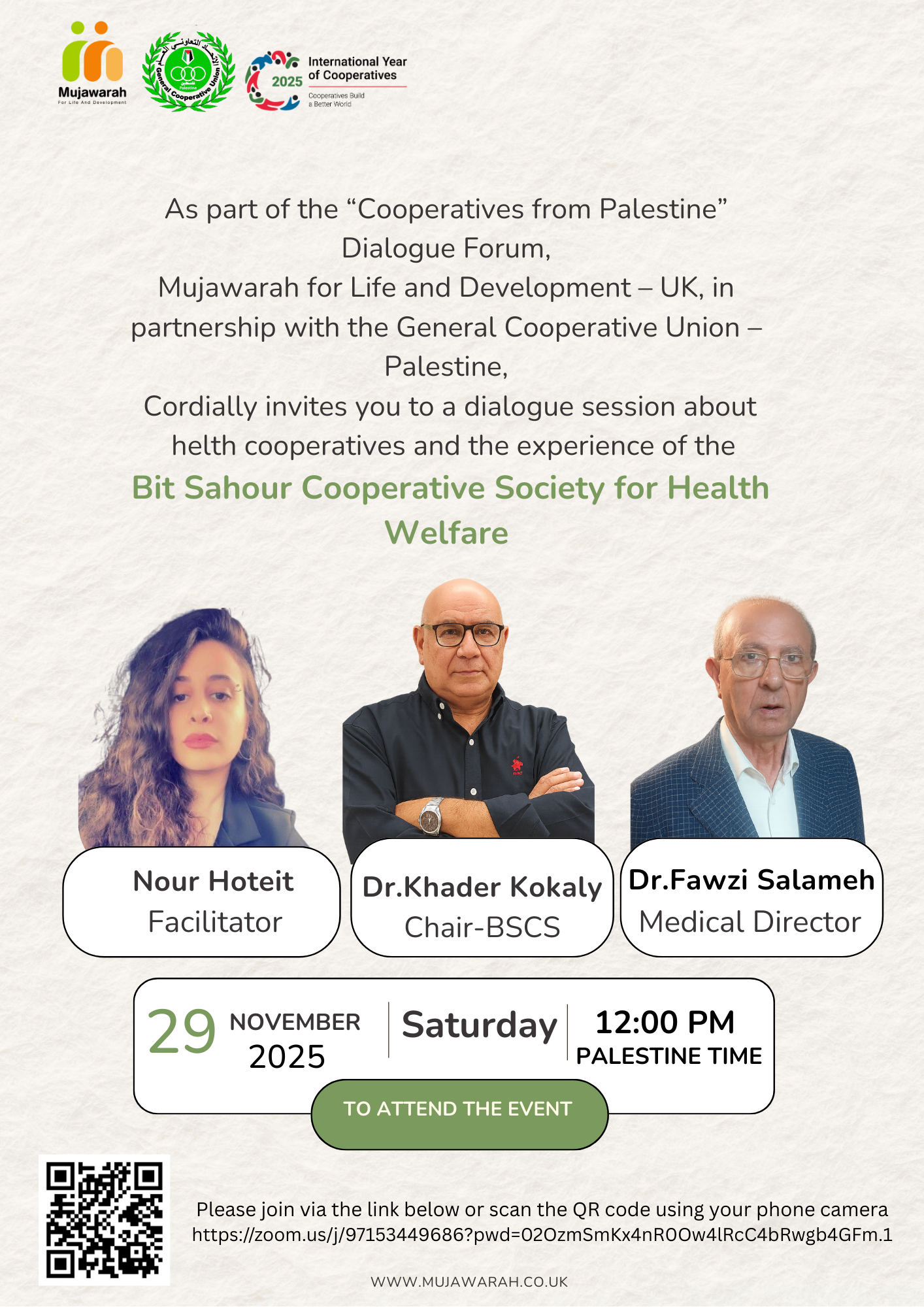
Writer and researcher Nour Hoteit opened the workshop by placing the Beit Sahour experience within a wider Arab landscape where the right to healthcare is collapsing under the weight of crises. From Lebanon’s economic freefall, to Gaza’s hospitals turned into battlefields, to the West Bank where daily life is shaped by military checkpoints, the regional health map appears fractured and exhausted.
Within this difficult reality, Beit Sahour emerged as a model that poses a powerful question:
How can a besieged community build its own healthcare system?
“In a region where health systems are falling apart, Beit Sahour offers a lesson in what cooperation can create.” – Nour Hoteit
Beginnings: A Health Idea Born Out of Necessity
Dr Khader Kokaly revisited the year 1959, a time of scarcity and limited possibilities. That year, teachers, craftsmen and a young Palestinian doctor trained in Germany, Dr Touma Bannoura, came together to establish the first cooperative health association in Palestine. It began as a small clinic with almost no laboratory facilities and meagre resources, yet the idea behind it was far larger than its physical space: a belief that people could safeguard their own right to healthcare when no one else would.
“We began small… but we always knew the right to health was bigger than the room we worked in.” – Khader Kokaly
Beit Sahour… A Town That Created Its Own Health Model
The cooperative took shape in a town known for its remarkable social cohesion, where distinctions between Muslims and Christians vanish in everyday life and reappear only during the religion exam at school. The people of Beit Sahour largely rely on tourism and handicrafts, leaving them extremely vulnerable to political closures and economic shocks.
Yet, despite each crisis, the association did not shrink — it grew, adapting and reinventing itself in every phase. The cooperative became an extension of the community’s longstanding culture of mutual support.
Membership Without Privilege… A Sense of Belonging That Builds Institutions
When Dr Fawzi Salameh spoke about membership, it became clear that the cooperative is not a scheme for benefits but a space of shared responsibility. Members meet, debate, monitor and take part in decision-making. As economic hardship deepened across the region, any distinction between “member” and “non-member” faded; urgent medical need became the defining priority.
“Membership here is a responsibility… The association, to me, is not an institution but a home.” – Fawzi Salameh
Checkpoints as Delivery Rooms… Access to Care as a Daily Test
One of the most harrowing moments came when Khader recounted the story of a woman in labour who was unable to reach the hospital because a military gate was shut. A midwife travelled to her in a private car, and the birth took place right at the checkpoint — a moment where life and danger collided in the same breath.
Such scenes are far from exceptional in the West Bank, home to over 1,340 checkpoints and barriers that fragment cities and villages, turning the journey to medical care into a perilous ordeal.
“When roads close, we reinvent the road… even if the birth takes place against an iron gate.”
Services Expanding Despite Shrinking Resources
Against all odds, the Beit Sahour Cooperative has built a wide healthcare system: specialist clinics, a 24-hour emergency department, an advanced laboratory, operating theatres, and maternity services priced significantly lower than other hospitals. It has even extended its care to post-natal home visits for new mothers.
All of this is sustained through a delicate ecosystem of family subscriptions, support from the Palestinian diaspora in Chile, contributions from local pharmaceutical companies, and partnerships with Arab and Islamic institutions.
The New Hospital… A Dream on the Brink of Opening
The workshop paused at the cooperative’s most ambitious project: the new cooperative hospital, a five-storey building constructed on land partly funded by the Palestinian presidency and largely financed by Arab and Islamic development funds. The hospital is nearly ready; around half a million US dollars is still needed to complete the final equipment and open its doors.
“This hospital does not belong to the association… it belongs to every member who contributed to the dream.” – Khader Kokaly
Funding Between Independence and Dependency… How Can the Model Endure?
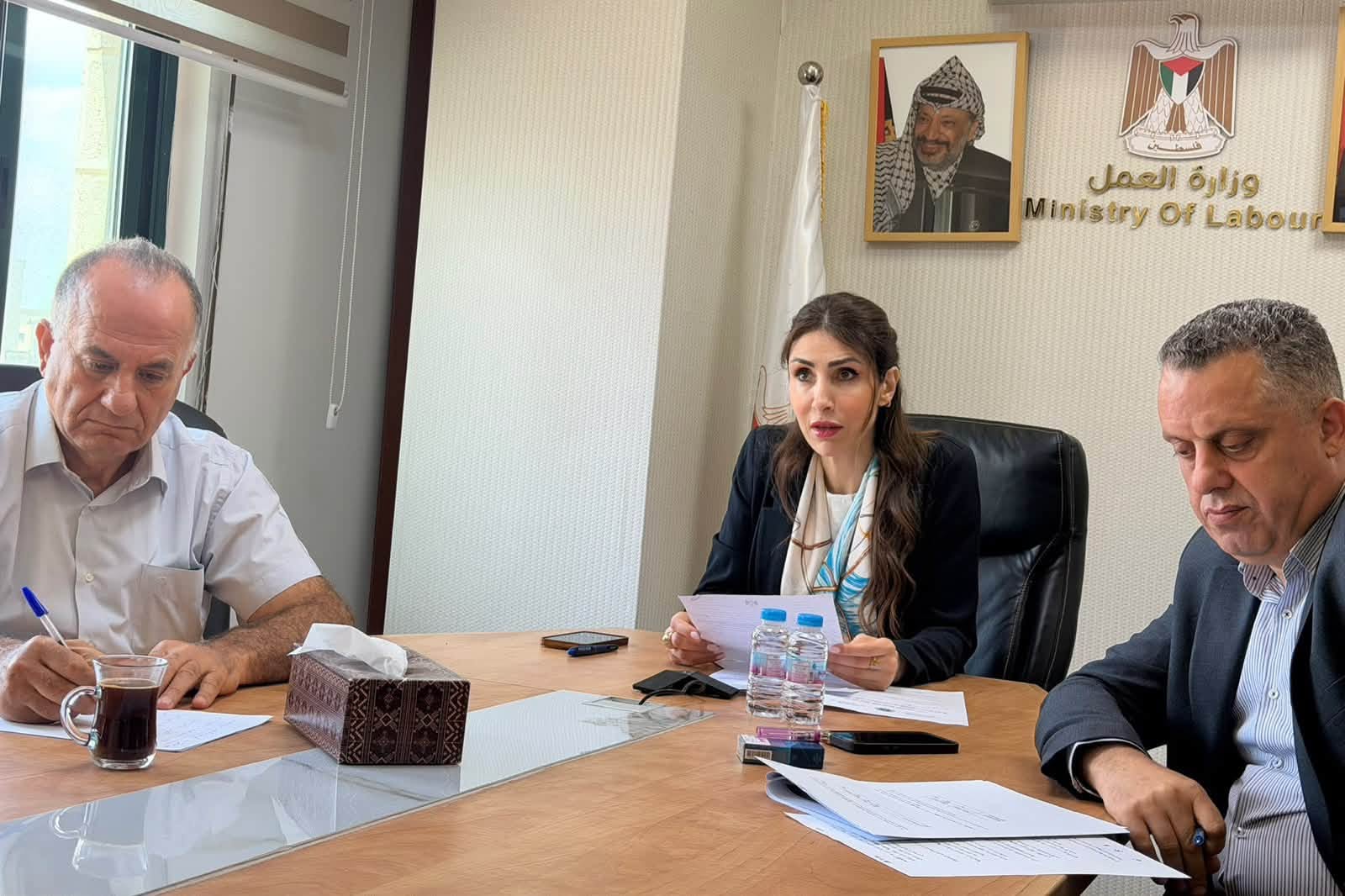
Discussion expanded to the future sustainability of cooperative health work. Azeddine Abu Taha stressed that donor trust follows proven success — not the other way round — and warned against funding models that create dependency rather than autonomy.
Meanwhile, Maree Bashir from Mujawarah highlighted Beit Sahour as a powerful example of how communities can craft alternative health solutions when formal systems fail.
“This is not a story about medicine… it is a story about social resilience.” – Maree Bashir
“Successful experiences attract funding — funding does not create them.” – Ezzeddine Abu Taha
Conclusion: When Solidarity Becomes an Entire Health Structure
The Beit Sahour experience demonstrates that healthcare is not merely a service to be purchased, but a collective right that a community can uphold even when state systems falter. The cooperative is more than an organisational model; it is a lived expression of shared ownership, democratic participation, and social solidarity.
This is the story of a community that chose to build its own health system, confront its fragility through unity, and offer a real-world model capable of inspiring cooperatives across Palestine and beyond — wherever people find themselves compelled to defend life with their own hands.
تعاونية بيت ساحور: حين يتحوّل التضامن إلى نظام صحي بديل
مدخل إلى ورشة تكشف أكثر مما تناقش
افتتحت الكاتبة والباحثة نور حطيط الورشة بوضع تجربة بيت ساحور داخل مشهد عربي يتهاوى فيه الحق في الرعاية الصحية تحت وقع الأزمات. من لبنان الغارق في الانهيار الاقتصادي، إلى غزة التي انهارت بنيتها الصحية تحت القصف، إلى الضفة الغربية التي يعيش أهلها يوميًا تحت ثقل الحواجز العسكرية، بدت منظومة الصحة العربية مفككة ومُنهكة. في هذا السياق، برزت بيت ساحور كنموذج مختلف؛ مدينة صغيرة أحاطت نفسها بشبكة تضامن جعلت من التعاون بديلاً عن غياب الدولة والأنظمة. وكما قالت نور: “في منطقة تتفكك فيها الأنظمة الصحية، تقدّم بيت ساحور درسًا في ما يمكن أن يخلقه التعاون.”
البدايات: فكرة صحية تولد من قلب الحاجة
استعاد الدكتور خضر كوكالي عام 1959 بكل ما كان يحمله من ضيق وإمكانات شبه معدومة. في ذلك الوقت، اجتمع معلمون وحرفيون وطبيب شاب درس في ألمانيا، الدكتور تومة بنّورة، ليؤسسوا أول تعاونية صحية من نوعها في فلسطين. لم تكن أكثر من عيادة صغيرة، بلا مختبرات إلا بالحد الأدنى، وبموارد تكاد لا تُذكر، لكن الفكرة كانت أكبر من كل ذلك: أن يضمن الناس لأنفسهم حقهم في العلاج حين لا يضمنه أحد لهم. قال خضر جملة تلخّص تلك المرحلة: “بدأنا صغيرًا… لكننا كنا نعرف أن الحق في الصحة أكبر من مساحة المكان.”
بيت ساحور… مدينة تصنع نموذجها الصحي الخاص
تطوّرت التجربة في مدينة تحمل طبيعة اجتماعية خاصة، حيث تتعايش الطوائف وتتشابك العلاقات اليومية بحيث يُمحى أي تمييز إلا في درس “التربية الدينية”. أهل بيت ساحور يعملون في الغالب في السياحة والحرف، ما جعلهم أكثر عرضة للأزمات التي تُغلق مصادر رزقهم عند كل توتر سياسي أو عسكري. ومع ذلك، لم تتراجع الجمعية يومًا؛ بل كانت تكبر مع كل أزمة، وتعيد ابتكار نفسها في كل مرحلة. المدينة التي اعتاد أهلها أن يحموا بعضهم، وجدت في التعاونية امتدادًا طبيعيًا لروحها.
عضوية بلا امتيازات… وانتماء يصنع مؤسسة
حين تحدث الدكتور فوزي السلامة عن العضوية، بدا واضحًا أن التعاونية ليست صيغة لإعطاء امتيازات، بل صيغة لخلق علاقة بين الناس والمؤسسة. الأعضاء يلتقون، يناقشون، يحاسبون، ويشاركون فعلًا في رسم الخطط والقرارات. ومع اشتداد الأزمات الاقتصادية، أصبح التفريق بين عضو وغير عضو أمرًا غير منطقي؛ فالاحتياج الإنساني لا يعرف التصنيفات الإدارية. قال فوزي: “العضوية عندنا مسؤولية… الجمعية بالنسبة لي ليست مؤسسة بل بيت.”
الحواجز كغرف ولادة… وصعوبة الوصول كاختبار يومي
بلغ السرد أحد أقسى لحظاته حين روى خضر قصة امرأة لم تتمكن من الوصول إلى المستشفى بسبب إغلاق البوابة العسكرية. أُرسلت إليها القابلة بسيارة خاصة، وتمت الولادة عند الحاجز نفسه، في لحظة تلتقي فيها الحياة بالموت على نفس النقطة المعدنية. هذه القصة لا تُعد استثناءً في الضفة الغربية، حيث تنتشر أكثر من 1340 بوابة وحاجزًا تقطع أوصال المدن والقرى وتجعل الوصول إلى العلاج رحلة محفوفة بالمخاطر. وفي وصف مؤلم قال خضر: “حين تُغلق الطرق، نعيد اختراع الطريق… ولو كانت الولادة على بوابة حديدية.”
خدمات تتوسع رغم انحسار الموارد
ورغم أن الظروف المحيطة لا تشجع على التطور، إلا أن الجمعية الفريدة تمكنت من بناء منظومة صحية واسعة تشمل عيادات تخصصية متعددة، وطوارئ تعمل ليلًا ونهارًا، ومختبرًا متطورًا، وغرف عمليات وولادة بأسعار تقل كثيرًا عن المستشفيات الأخرى. ولم تتوقف عند ذلك، بل وصلت إلى بيوت النساء بعد الولادة عبر زيارات منزلية تُقدَّم كجزء من مسؤولية الجمعية تجاه الأهالي. تتغذى كل هذه الخدمات على مزيج نادر من الاشتراكات الرمزية، ودعم الجالية السحورية في تشيلي، وتضامن مصانع الأدوية الفلسطينية، إضافة إلى شراكات مع مؤسسات عربية وإسلامية.
المستشفى الجديد… حلمٌ على وشك الفتح
توقفت الورشة عند الحلم الأكبر: المستشفى التعاوني الجديد، مبنى ضخم من خمسة طوابق بُني على قطعة أرض ساهمت الرئاسة الفلسطينية في شرائها، وتكفلت صناديق عربية وإسلامية بتمويل جزء كبير من إنشائه. المستشفى شبه جاهز، وما ينقصه اليوم هو نحو نصف مليون دولار لإكمال التجهيزات وفتح أبوابه. وصف خضر المشروع بجملة تختصر الحلم: “هذا المستشفى ليس ملكًا للجمعية… بل لكل عضو ساهم في الحلم.”
التمويل بين الاستقلال والاعتماد… كيف يستمر النموذج؟
توسّع النقاش ليشمل مستقبل الاستدامة التعاونية. أكّد عز الدين أبو طه أن نجاح الجمعية هو ما جعل المانحين يثقون بها، وليس العكس، محذرًا من نماذج التمويل التي تُنشئ تبعية لا استقلالًا. وفي المقابل، رأى مرعي بشير أن تجربة بيت ساحور تجعل من التضامن بنية إنتاجية قادرة على خلق بدائل حين تنسد الطرق أمام النظام الرسمي. قال مرعي: “هذه ليست قصة طب… هذه قصة صمود اجتماعي.” وأضاف أبو طه: “التجارب لا تُبنى بالمنح، بل المنح تأتي حين تُثبت التجارب نفسها.”
خلاصة: حين يتحوّل التضامن إلى بنية صحية كاملة
تكشف تجربة بيت ساحور أن الصحة ليست خدمة تُشترى، بل حق جماعي يمكن للمجتمع نفسه أن يضمنه حين تتفكك الأنظمة وتُغلق الطرق. التعاونية ليست مجرد نموذج إداري، بل روح كاملة تُمارَس فيها المشاركة والملكية المشتركة يوميًا. إنها قصة مجتمع قرر أن يبني منظومته الصحية بيديه، وأن يواجه هشاشة الواقع بقوة الجماعة، وأن يقدّم نموذجًا عمليًا يمكن أن يُلهم تعاونيات أخرى في فلسطين وفي كل مكان تنكسر فيه الدولة ويصبح الناس مسؤولين عن حماية حياتهم بأدواتهم.