
Mujawarah for Life and Development
Palestine Marks the International Day of Cooperatives with the Participation of the Palestinian Minister of Labour and Calls to Strengthen the Sector
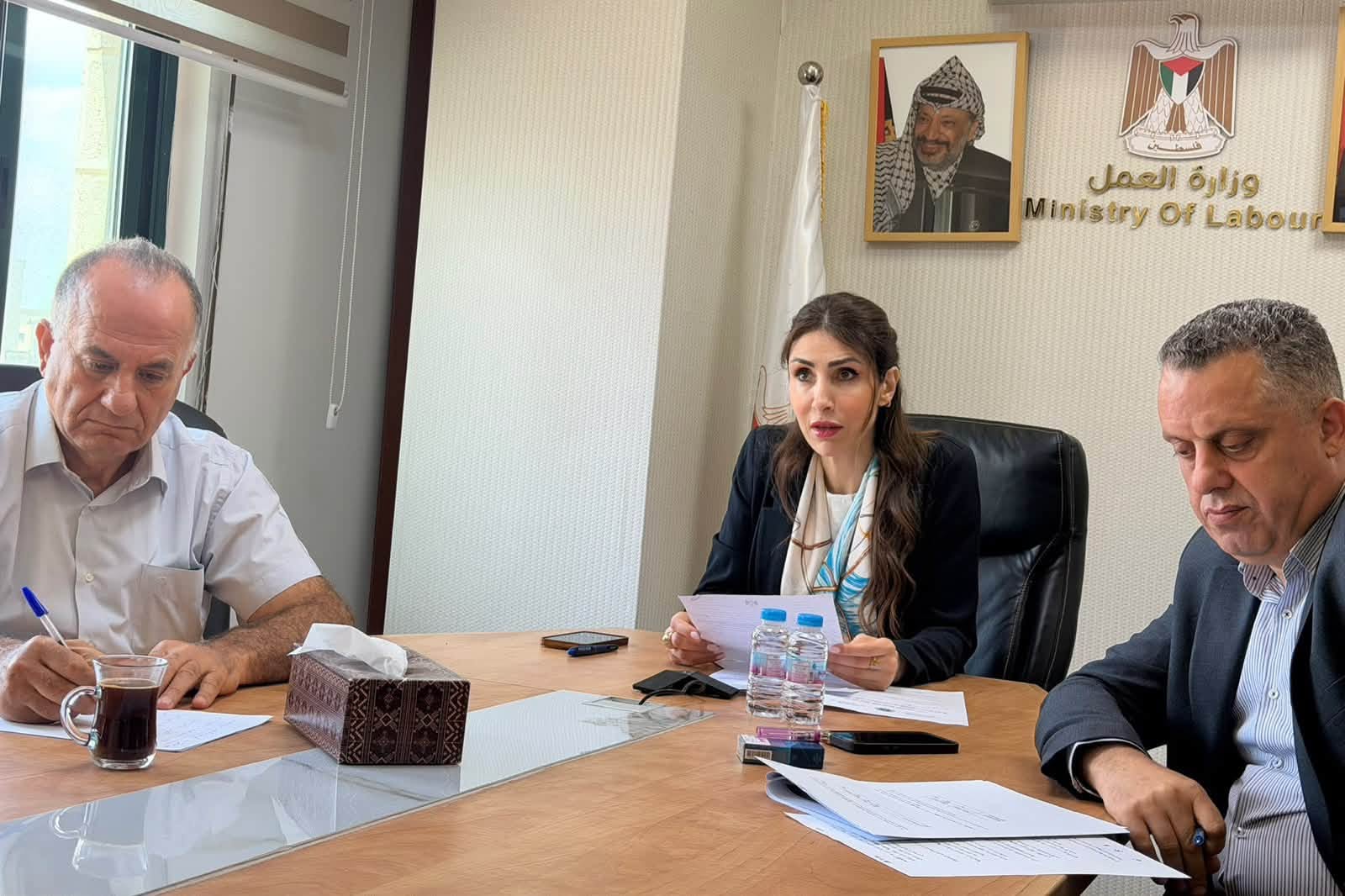
An extensive dialogue event was held to mark the International Day of Cooperatives 2026 under the theme “Cooperatives: Building Bridges for Peace and Development”. It brought together the Palestinian Minister of Labour, Dr Enas Al-Atari, representatives of the Palestinian cooperative movement, government officials, experts, civil society organisations, and representatives of cooperatives from different sectors and governorates.
The event was organised by Mujawarah for Life and Development (UK) and the General Cooperative Union of Palestine, in partnership with the Ministry of Labour. It aimed to highlight the current state of the Palestinian cooperative movement and its contribution to sustainable development, social justice and community resilience, while providing a platform for direct dialogue on the main challenges facing the sector and ways to address them.
Alongside the Minister of Labour, participants included Ezz El-Din Abu Taha, Secretary-General of the General Cooperative Union of Palestine; Munif Al-Rimawi, Head of the Cooperative Sector; and cooperative expert Shawkat Sarsour. Representatives of agricultural, housing, consumer and handicraft cooperatives also took part, including representatives from the Gaza Strip, the West Bank, Jerusalem and the Jordan Valley.
In her address, Dr Al-Atari emphasised that cooperatives are a cornerstone of sustainable economic development and represent a national model based on solidarity, participation and self-reliance. She highlighted the importance of strengthening the legislative and institutional framework governing cooperative work, improving governance and transparency, and expanding training, finance and marketing programmes to support the sustainability of cooperatives and their capacity to create employment opportunities.
Abu Taha outlined the challenges facing the Palestinian cooperative movement under the Israeli occupation, including restrictions affecting agricultural, housing, savings and credit cooperatives, as well as the targeting of land, facilities and productive resources. He called on the international cooperative movement to increase its support for Palestinian cooperatives and ensure that their representatives are involved in developing policies and programmes related to the sector.
Participants also discussed the extensive damage suffered by cooperatives in the Gaza Strip as a result of the war, including the destruction of dozens of cooperative societies and the loss of members’ lives, property and livelihoods. They called for a comprehensive recovery plan to rebuild the cooperative movement in Gaza and for the financial and technical support needed to restore the operations of affected cooperatives.
Cooperative representatives discussed a range of shared challenges, including limited marketing opportunities, difficulties in accessing finance, rising production costs, complex licensing procedures and the limited availability of land for housing projects. They also highlighted unequal competition from imported goods and private-sector businesses.
Participants called for policies that provide greater protection and incentives for cooperative products, support cooperatives in adopting renewable energy, introduce tax exemptions and other financial incentives, strengthen integration and cooperation between cooperative societies, and establish partnerships and twinning arrangements with Arab and international cooperatives.
The event also featured contributions highlighting the importance of increasing the participation of women, young people and persons with disabilities in the cooperative movement. Participants called for sustainable national programmes to support handicraft, consumer, agricultural and housing cooperatives, helping to create employment, strengthen food and economic security, and protect national production.
The Ministry of Labour presented its vision for supporting the cooperative sector. This included developing an online training platform, working towards the launch of a marketing platform for cooperative products and services, establishing marketing centres in the northern, central and southern regions, and expanding the participation of cooperatives in local and international exhibitions and markets, including virtual participation where travel and movement restrictions prevent attendance in person.
The proposed plans also included continuing efforts to engage young people in the sector, developing sustainable youth cooperative models, and updating the cooperative database, particularly for the Gaza Strip, to reflect current conditions, the scale of damage and actual needs.
The event concluded with an emphasis on turning the discussions into practical action. Participants called for a dedicated follow-up session to examine available sources of finance, including grants, interest-free loans and development funds, as well as stronger coordination between the Ministry of Labour, the General Cooperative Union of Palestine and relevant partners to implement the proposals and recommendations presented during the event.
بمشاركة وزيرة العمل الفلسطيني.. احتفال فلسطيني باليوم الدولي للتعاونيات ودعوات لتطوير القطاع
عُقد لقاء حواري موسع بمناسبة اليوم الدولي للتعاونيات 2026، تحت شعار «التعاونيات: بناء جسور من أجل السلام والتنمية»، بمشاركة وزيرة العمل د. إيناس العطاري، وممثلين عن الحركة التعاونية الفلسطينية، ومسؤولين حكوميين، وخبراء، ومؤسسات مجتمع مدني، إلى جانب ممثلين عن عدد من الجمعيات التعاونية من مختلف القطاعات والمحافظات.
ونُظم اللقاء من قبل مؤسسة مجاورة للحياة والتنمية–بريطانيا والاتحاد التعاوني العام، بالشراكة مع وزارة العمل، بهدف تسليط الضوء على واقع الحركة التعاونية الفلسطينية ودورها في تعزيز التنمية المستدامة والعدالة الاجتماعية والصمود المجتمعي، وفتح مساحة للحوار المباشر حول أبرز التحديات التي تواجه القطاع وسبل معالجتها.
وشارك في اللقاء، إلى جانب وزيرة العمل، كل من الأمين العام للاتحاد التعاوني العام عز الدين أبو طه، ورئيس قطاع العمل التعاوني منيف الريماوي، والخبير التعاوني شوكت صرصور، فضلاً عن ممثلين عن تعاونيات زراعية وإسكانية واستهلاكية وحرفية، وممثلين عن التعاونيات في قطاع غزة والضفة الغربية والقدس والأغوار.
وأكدت العطاري أن التعاونيات تمثل إحدى الركائز الأساسية للتنمية الاقتصادية المستدامة، وتشكل نموذجاً وطنياً قائماً على التضامن والمشاركة والاعتماد على الذات. وأشارت إلى أهمية تطوير البيئة التشريعية والمؤسسية الناظمة للعمل التعاوني، وتعزيز الحوكمة والشفافية، وتوسيع برامج التدريب والتمويل والتسويق بما يدعم استدامة التعاونيات وقدرتها على توفير فرص العمل.
واستعرض أبو طه التحديات التي تواجه الحركة التعاونية الفلسطينية في ظل ممارسات الاحتلال، وما تتعرض له التعاونيات الزراعية والإسكانية والادخارية وغيرها من قيود واستهداف للأراضي والمرافق والموارد. ودعا الحركة التعاونية الدولية إلى تعزيز دعمها للتعاونيات الفلسطينية وإشراك ممثليها في إعداد السياسات والبرامج المرتبطة بالقطاع.
وتوقفت المداخلات عند الأضرار الواسعة التي لحقت بالتعاونيات في قطاع غزة نتيجة الحرب، بما شمل تدمير عشرات الجمعيات التعاونية وفقدان الأعضاء لأرواحهم وممتلكاتهم ومصادر رزقهم. ودعا المشاركون إلى إعداد خطة متكاملة للتعافي وإعادة بناء الحركة التعاونية في غزة، وتوفير الدعم المالي والفني اللازم لإعادة تشغيل التعاونيات المتضررة.
كما ناقش ممثلو التعاونيات جملة من التحديات المشتركة، أبرزها ضعف فرص التسويق، وصعوبة الوصول إلى مصادر التمويل، وارتفاع تكاليف الإنتاج، وتعقيد إجراءات الترخيص، ومحدودية الأراضي المخصصة لمشروعات الإسكان، إلى جانب المنافسة غير المتكافئة مع المنتجات المستوردة والقطاع الخاص.
وطالب المشاركون بتطوير سياسات توفر الحماية والحوافز للمنتجات التعاونية، ودعم التعاونيات باستخدام الطاقة المتجددة، وإتاحة الإعفاءات والتسهيلات الضريبية، وتعزيز التكامل والتعاون بين الجمعيات، وإنشاء علاقات توأمة وشراكات مع تعاونيات عربية ودولية.
وشهد اللقاء مداخلات ركزت على أهمية دعم مشاركة النساء والشباب والأشخاص ذوي الإعاقة في الحركة التعاونية، وإطلاق برامج وطنية مستدامة للتعاونيات الحرفية والاستهلاكية والزراعية والإسكانية، بما يعزز فرص العمل والأمن الغذائي والاقتصادي ويحافظ على الإنتاج الوطني.
من جانبها، استعرضت وزارة العمل رؤيتها لدعم القطاع التعاوني، والتي شملت تطوير منصة إلكترونية للتدريب، والعمل على إطلاق منصة تسويقية للمنتجات والخدمات التعاونية، وإنشاء مراكز تسويق في المناطق الشمالية والوسطى والجنوبية، وتوسيع مشاركة التعاونيات في المعارض والأسواق المحلية والدولية، بما في ذلك المشاركة الافتراضية في ظل قيود السفر والتنقل.
كما تضمنت الخطط المطروحة مواصلة إدماج الشباب في القطاع، وتطوير نماذج تعاونيات شبابية مستدامة، وتحديث قاعدة بيانات التعاونيات، ولا سيما في قطاع غزة، بما يعكس واقعها الراهن وحجم أضرارها واحتياجاتها الفعلية.
واختُتم اللقاء بالتأكيد على ضرورة تحويل النقاشات إلى خطوات عملية، من خلال عقد جلسة متابعة متخصصة لبحث مصادر التمويل المتاحة، بما يشمل المنح والقروض الحسنة وصناديق التنمية، وتعزيز التنسيق بين وزارة العمل والاتحاد التعاوني العام ومختلف الشركاء لتنفيذ المقترحات والتوصيات التي قدمها المشاركون.