
Mujawarah for Life and Development
مكانة التعاونيات في الدستور الفلسطيني المؤقت
قراءة في حوارية متخصصة حول مكانة الاقتصاد التعاوني في الإطار الدستوري
The English version is provided below
في ظل النقاشات الجارية حول مسودة الدستور الفلسطيني المؤقت، تبرز مسألة مكانة التعاونيات ضمن الإطار الدستوري للنظام الاقتصادي بوصفها قضية ذات أهمية خاصة. إذ تُظهر قراءة المسودة أن تنظيم النظام الاقتصادي يتجه نحو تبني نموذج الاقتصاد المختلط القائم على آليات السوق والمنافسة، دون أن يتضمن أي إشارة صريحة إلى القطاع التعاوني أو دوره ضمن مكونات الاقتصاد الوطني
وانطلاقاً من ذلك، جاءت الحوارية المتخصصة حول “مكانة التعاونيات في الدستور الفلسطيني المؤقت” لتفتح نقاشاً معمقاً يجمع بين التجربة العملية للحركة التعاونية، والتحليل القانوني، والاستفادة من التجارب المقارنة على المستويين العربي والدولي
انعقدت هذه الحوارية ضمن فعاليات “منتدى تعاونيات من فلسطين“، بمبادرة من مؤسسة مجاورة للحياة والتنمية بالشراكة مع الاتحاد التعاوني العام في فلسطين، وبمشاركة عدد من الخبراء والمتخصصين في مجالات القانون والاقتصاد التعاوني
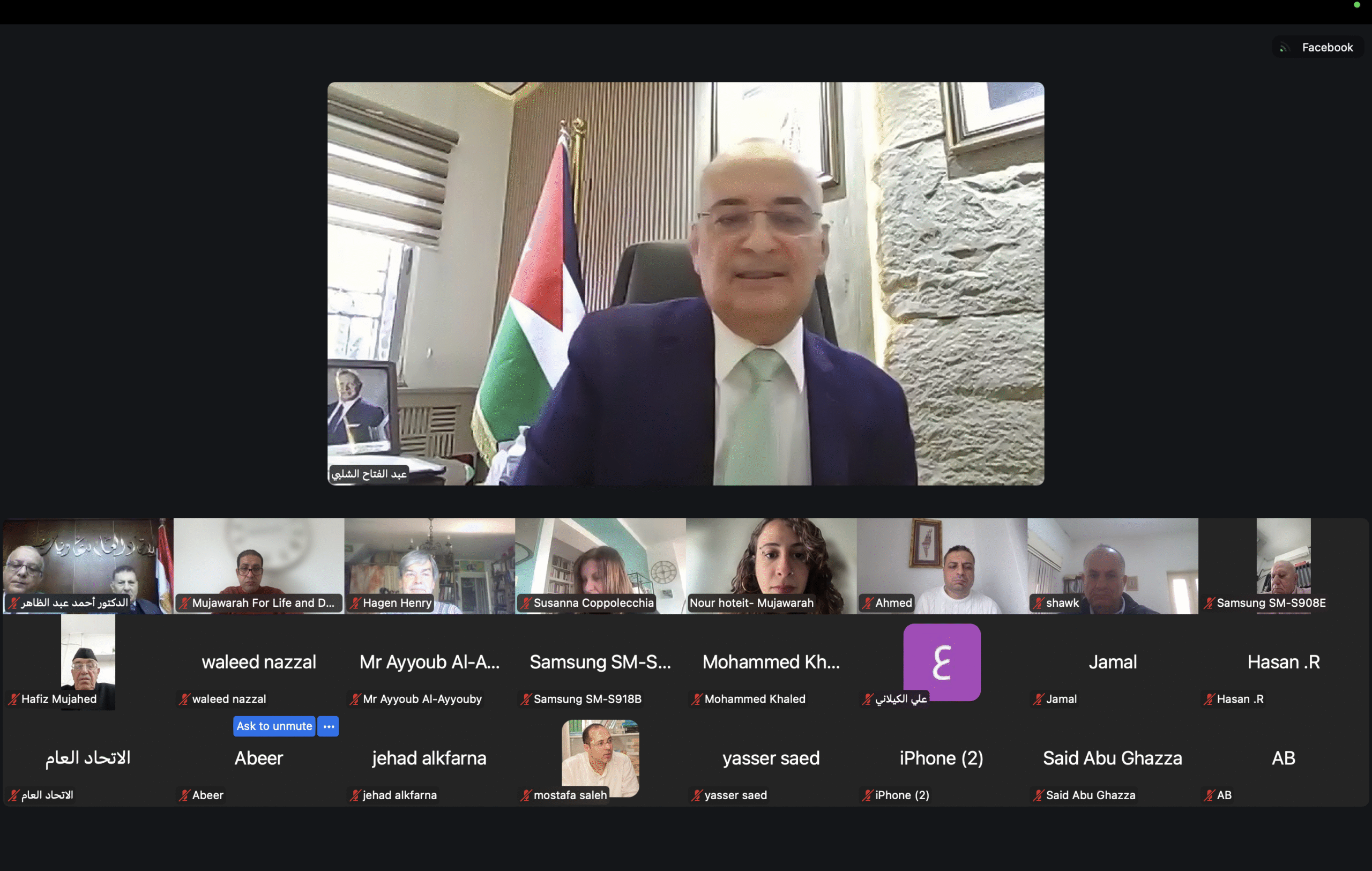
وشهدت الحوارية مداخلات رئيسية لكل من الأستاذ عز الدين أبو طه، الأمين العام للاتحاد التعاوني العام في فلسطين، والأستاذ شوكت صرصور، الخبير في التعاونيات والاقتصاد التضامني الاجتماعي، إلى جانب الدكتور هاغن هنري، الخبير الدولي في قانون التعاونيات، والدكتور أحمد عبد الظاهر، أستاذ القانون ورئيس الاتحاد التعاوني العربي والإفريقي، والأستاذ عبد الفتاح الشلبي، المدير العام للمؤسسة التعاونية الأردنية
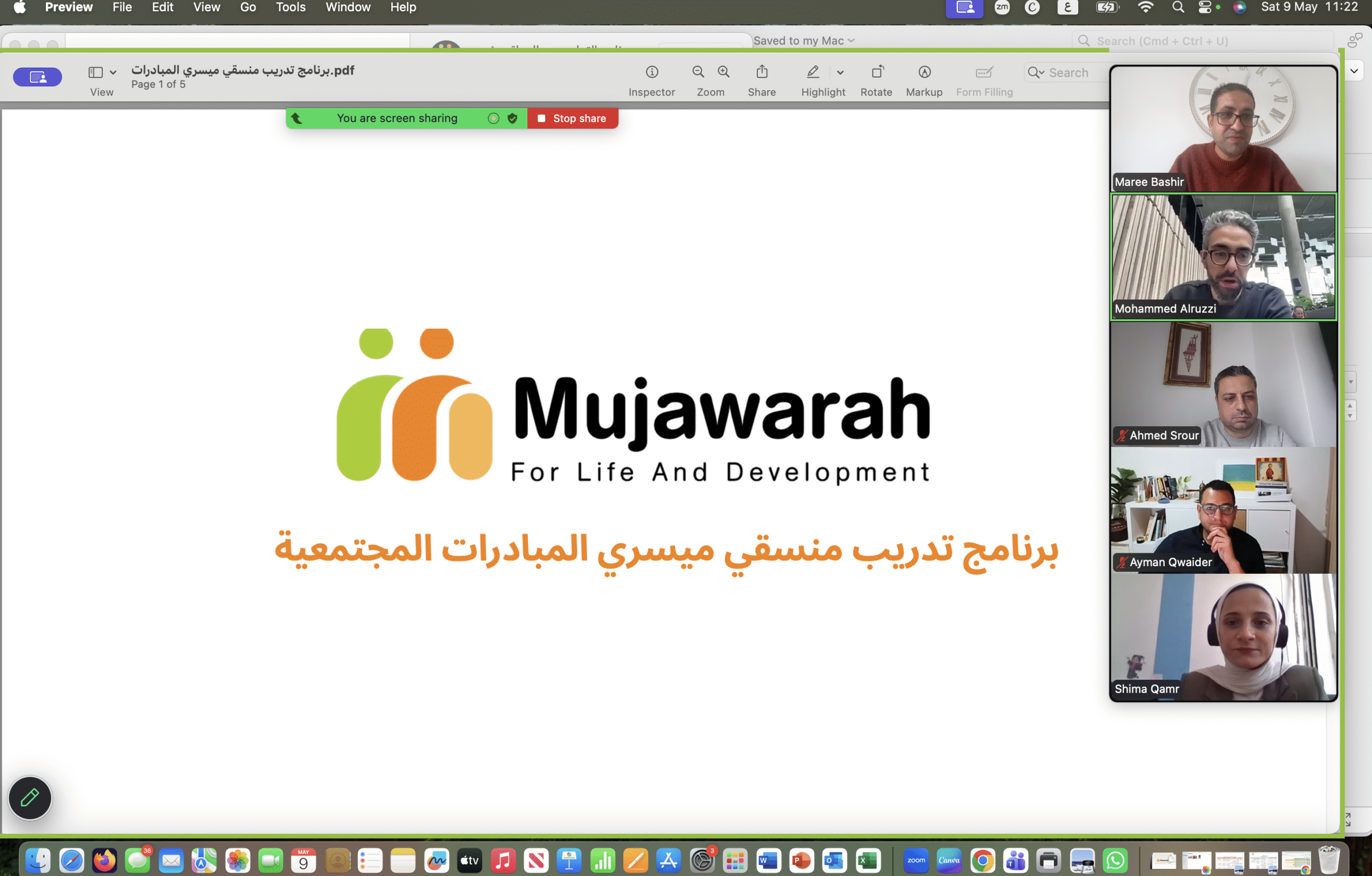
وقد أدار الجلسة الأستاذة نور حطيط، فيما قدّم الأستاذ مرعي بشير مداخلة افتتاحية تناولت الإطار العام للحوارية وأهميتها في هذا التوقيت
غياب التعاونيات في مسودة الدستور
تركّزت النقاشات في أحد محاورها الرئيسية حول غياب التعاونيات عن مسودة الدستور الفلسطيني المؤقت، وما يحمله ذلك من دلالات على مستوى تصور النظام الاقتصادي
في هذا السياق، أشار الأستاذ عز الدين أبو طه إلى أن هذا الغياب لا يعكس الواقع العملي لدور التعاونيات في الاقتصاد الفلسطيني، حيث تسهم في مجالات متعددة وتؤدي أدواراً تتجاوز البعد الاقتصادي إلى أبعاد اجتماعية وتنموية، وهو ما يطرح تساؤلات حول موقعها في السياسات العامة في حال استمرار هذا الغياب على المستوى الدستوري
وقد ركّزت هذه المداخلة على البعد التطبيقي لدور التعاونيات، من حيث تنوع مجالات عملها وارتباطها بالاحتياجات الاقتصادية والاجتماعية، وما يعنيه ذلك من ضرورة الاعتراف بها ضمن الإطار الدستوري
طبيعة التعاونيات وموقعها الاقتصادي
من جانبه، تناول الأستاذ شوكت صرصور طبيعة التعاونيات من منظور مفاهيمي، مؤكداً أنها تختلف عن القطاع الخاص من حيث الأهداف وآليات العمل. فهي تقوم على تقديم الخدمة للأعضاء، وتعتمد على الملكية الجماعية والإدارة الديمقراطية، ما يجعلها نموذجاً اقتصادياً مختلفاً.
وأشار إلى أن هذا الاختلاف لا يمكن التعامل معه ضمن التصنيفات التقليدية، وأن إدراج التعاونيات ضمن القطاع الخاص لا يعكس طبيعتها، وهو ما يستدعي التعامل معها كقطاع اقتصادي مستقل، وهو طرح يرتبط بشكل مباشر بمسألة موقعها في الدستور.
التجارب المقارنة: بين الاعتراف الدستوري والأثر السياساتي
على مستوى التجارب الدولية، أوضح الدكتور هاغن هنري أن إدراج التعاونيات في الدساتير يتخذ أشكالاً متعددة، حيث تتراوح الصياغات بين إشارات عامة وأخرى أكثر وضوحاً، مشيراً إلى أن عدداً من الدول يتضمن إشارات إلى التعاونيات ضمن أطره الدستورية
وبيّن أن وجود هذا الاعتراف، حتى في صيغ عامة، يمكن أن يشكل إطاراً مرجعياً يؤثر في السياسات العامة، ويوفر أساساً قانونياً للتعامل مع هذا القطاع
بدوره، استعرض الدكتور أحمد عبد الظاهر نماذج من الدساتير العربية، موضحاً أن بعضها يتضمن إشارات إلى التعاونيات، أو يعترف بالملكية التعاونية كأحد أشكال الملكية، إلى جانب الملكية العامة والخاصة، وأن لهذا الاعتراف انعكاسات على السياسات الاقتصادية، خاصة في ما يتعلق بتنظيم هذا القطاع ودعمه
دور المناصرة والعمل المؤسسي
وفي مداخلة ركزت على البعد العملي، أشار الأستاذ عبد الفتاح الشلبي إلى أن إدراج التعاونيات في الأطر الدستورية في عدد من التجارب لم يكن نتيجة نصوص قانونية فقط، بل جاء في سياق مسارات طويلة من العمل المؤسسي والمناصرة
وأوضح أن هذه المسارات اعتمدت على تعزيز التمثيل المؤسسي للتعاونيات، والانخراط في الحوار مع صناع القرار، والعمل على بناء حضور منظم لهذا القطاع، بما مكّنه من التأثير في السياسات والتشريعات
ويبرز هذا الطرح أهمية تطوير أدوات المناصرة في السياق الفلسطيني، بما يضمن حضور التعاونيات في النقاشات المتعلقة بالسياسات العامة، بما في ذلك النقاشات الدستورية
في ختام الحوارية
في ختام الحوارية، اتجه النقاش نحو التأكيد على أهمية إعادة النظر في موقع التعاونيات ضمن الإطار الدستوري، باعتبارها جزءاً من النقاش الأوسع حول طبيعة النموذج الاقتصادي الفلسطيني
وقد برزت خلال النقاشات قناعة بأن التعامل مع التعاونيات لا ينبغي أن يظل ضمن هامش السياسات، بل يتطلب إدماجها ضمن الرؤية الاقتصادية العامة، بما يعكس دورها في دعم الصمود وتعزيز التنمية
توجهات وتوصيات
استناداً إلى مجمل ما طُرح خلال الحوارية، برزت مجموعة من التوجهات التي يمكن البناء عليها في التعامل مع مسألة التعاونيات في الإطار الدستوري والسياساتي
في مقدمة هذه التوجهات، تم التأكيد على أهمية إدراج التعاونيات في الدستور الفلسطيني بشكل واضح، بما يعكس الاعتراف بها كقطاع اقتصادي مستقل، وعدم ترك موقعها ضمن تصنيفات عامة لا تعبّر عن طبيعتها
كما أشار المشاركون إلى ضرورة التعامل مع التعاونيات ضمن إطار قانوني يأخذ بعين الاعتبار خصوصيتها، من حيث الملكية الجماعية والإدارة الديمقراطية، بما يضمن عدم إخضاعها لنماذج تنظيمية لا تتناسب مع طبيعتها.
وفي جانب السياسات، برزت الحاجة إلى تطوير أدوات داعمة لهذا القطاع، خاصة في ما يتعلق بالتمويل، وتعزيز دور المؤسسات التعاونية، وإتاحة المجال أمامها للانخراط بشكل أوسع في الاقتصاد
كما تم التأكيد على أهمية تعزيز حضور التعاونيات في النقاشات العامة والسياساتية، بما يتيح لها لعب دور أكبر في صياغة التوجهات الاقتصادية، خاصة في ظل التحديات التي يواجهها الواقع الفلسطيني
لمشاهدة الحوارية كاملة
يمكن مشاهدة التسجيل الكامل للحوارية عبر الرابط التالي:
The Status of Cooperatives in the Palestinian Interim Constitution
A Reading of a Specialised Panel Discussion on the Position of the Cooperative Economy within the Constitutional Framework
In light of the ongoing discussions surrounding the draft Palestinian Interim Constitution, the question of the status of cooperatives within the constitutional framework of the economic system emerges as an issue of particular importance. A close reading of the draft indicates that the organisation of the economic system is oriented towards adopting a mixed economy model based on market mechanisms and competition, without any explicit reference to the cooperative sector or its role within the components of the national economy.
Against this backdrop, the specialised panel discussion on “The Status of Cooperatives in the Palestinian Interim Constitution” sought to open a substantive dialogue that brings together the practical experience of the cooperative movement, legal analysis, and insights drawn from both Arab and international comparative experiences.
This panel discussion was held as part of the “Cooperatives Forum from Palestine”, an initiative led by Mujawarah for Life and Development in partnership with the General Cooperative Union in Palestine, with the participation of a number of experts and specialists in the fields of law and the cooperative economy.
The discussion featured key interventions by Mr Ezz Al-Din Abu Taha, Secretary-General of the General Cooperative Union in Palestine; Mr Shawkat Sarsour, a regional expert in cooperatives and the social and solidarity economy; Dr Hagen Henrÿ, an international expert in cooperative law; Dr Ahmed Abdel Zaher, Professor of Law and President of the Arab and African Cooperative Union; and Mr Abdel Fattah Al-Shalabi, Director General of the Jordanian Cooperative Corporation.
The session was moderated by Ms Nour Hoteit, while Mr Maree Bashir delivered the opening remarks, outlining the broader context of the discussion and its significance at this stage.
The Absence of Cooperatives in the Draft Constitution
Discussions within one of the main themes focused on the absence of any reference to cooperatives in the draft Palestinian Interim Constitution, and the implications this carries for the conceptualisation of the economic system.
In this regard, Mr Ezz Al-Din Abu Taha noted that this absence does not reflect the practical reality of the role played by cooperatives in the Palestinian economy. He emphasised that cooperatives contribute across multiple sectors and perform functions that extend beyond purely economic roles to include social and developmental dimensions. This raises important questions about their position within public policy should this absence persist at the constitutional level.
His intervention highlighted the applied dimension of cooperative work, particularly in terms of the diversity of its activities and its connection to economic and social needs, underscoring the importance of recognising this sector within the constitutional framework.
The Nature of Cooperatives and Their Economic Position
Mr Shawkat Sarsour approached the issue from a conceptual perspective, emphasising that cooperatives differ fundamentally from the private sector in both their objectives and operational mechanisms. Cooperatives are established to serve their members rather than to maximise profit, and are based on collective ownership and democratic governance, which positions them as a distinct economic model.
He further noted that this distinction cannot be adequately addressed within conventional classifications, and that treating cooperatives as part of the private sector fails to reflect their legal and economic nature. This reinforces the argument for recognising cooperatives as an independent economic sector, a matter that is directly linked to their status within the constitution.
Comparative Experiences: Between Constitutional Recognition and Policy Impact
At the international level, Dr Hagen Henrÿ explained that the inclusion of cooperatives in constitutions takes various forms, ranging from general references to more explicit recognition. He noted that a number of countries include references to cooperatives within their constitutional frameworks.
He further explained that even general recognition can provide an important reference point that influences public policy and establishes a legal basis for engaging with the cooperative sector.
In the Arab context, Dr Ahmed Abdel Zaher presented a review of constitutional models, indicating that some constitutions include references to cooperatives or recognise cooperative ownership as one of the recognised forms of ownership, alongside public and private ownership. He noted that such recognition has implications for economic policy, particularly in relation to regulating and supporting the sector.
Advocacy and Institutional Action
In an intervention focusing on the practical dimension, Mr Abdel Fattah Al-Shalabi highlighted that the inclusion of cooperatives in constitutional frameworks in a number of contexts was not solely the result of legal drafting, but rather the outcome of long-term processes of institutional work and advocacy led by the cooperative movement.
He explained that these processes relied on strengthening institutional representation, engaging in dialogue with decision-makers, and building a structured presence for the sector, which enabled it to influence policies and legislation.
This perspective underscores the importance of developing advocacy tools within the Palestinian context, in order to ensure that cooperatives are effectively represented in discussions related to public policy, including constitutional deliberations.
Concluding Reflections
At the conclusion of the panel discussion, the focus shifted towards the importance of reconsidering the position of cooperatives within the constitutional framework, as part of the broader debate on the nature of the Palestinian economic model.
Discussions reflected a shared understanding that cooperatives should not remain on the margins of policy considerations, but rather be integrated into the broader economic vision in a manner that reflects their role in strengthening resilience and supporting development.
Directions and Recommendations
Drawing on the discussions, a number of key directions emerged for addressing the status of cooperatives within the constitutional and policy frameworks.
Foremost among these is the importance of explicitly including cooperatives within the Palestinian Constitution, in a manner that recognises them as an independent economic sector, rather than leaving their position within broad classifications that do not accurately reflect their nature.
Participants also emphasised the need to develop a legal framework that takes into account the specific characteristics of cooperatives, particularly their basis in collective ownership and democratic governance, ensuring that they are not subjected to regulatory models that are inconsistent with their nature.
At the policy level, the discussions highlighted the need to develop supportive mechanisms for the sector, particularly with regard to financing, strengthening cooperative institutions, and enabling cooperatives to play a more active role within the economy.
Finally, the importance of enhancing the presence of cooperatives in public and policy discussions was underscored, as a means of enabling them to contribute more effectively to shaping economic directions, particularly in light of the challenges facing the Palestinian context.