
Mujawarah for Life and Development
عزيزتي بسمة
حين عرفتك في مبادرة حياة في الجامعة، قبل العدوان على غزة، كنتِ طالبة تبحثين عن معنى تجدين فيه مكانك بين الناس. واليوم، وأنتِ تتولين تنسيق فريق مجاورة للناس، أفكر كيف تكبر البدايات فينا؛ نمنحها من حياتنا، فتفتح لنا طريقاً، ونعود إليها بما صرنا نعرفه وبأسئلة لم تكن معنا
اليوم تدخلين المجاورة في دير البلح. أفكر في هذه الخطوة كولادة تجد طريقها وسط ما نحمله من فقد وأسئلة. نأتي بما بقي معنا وفينا، ونحاول أن نصنع منه بداية نستطيع أن نعيشها. وحين نقترب من الناس، يكون لحضورنا تبعات: ما نسمعه يطالبنا بموقف، وما نعد به يضعنا أمام مسؤولية، وما نجهله يدعونا إلى مراجعة أنفسنا.
اتفقنا أن نتبادل رسائل عن هذا الطريق، وعن الأثر الذي يتركه العمل مع الناس فينا. من هنا أكتب إليكِ: ماذا نحمل إلى اللقاء، وماذا يولد فينا حين نصبح جزءاً منه؟
تصلين وقد بدأت اللقاءات، وصار للمكان شيء من حكايات أهله. وقبل أن تذهبي، سأخبرك عن رفقاء أهل المجاورة الذين يحملون هذه البداية.
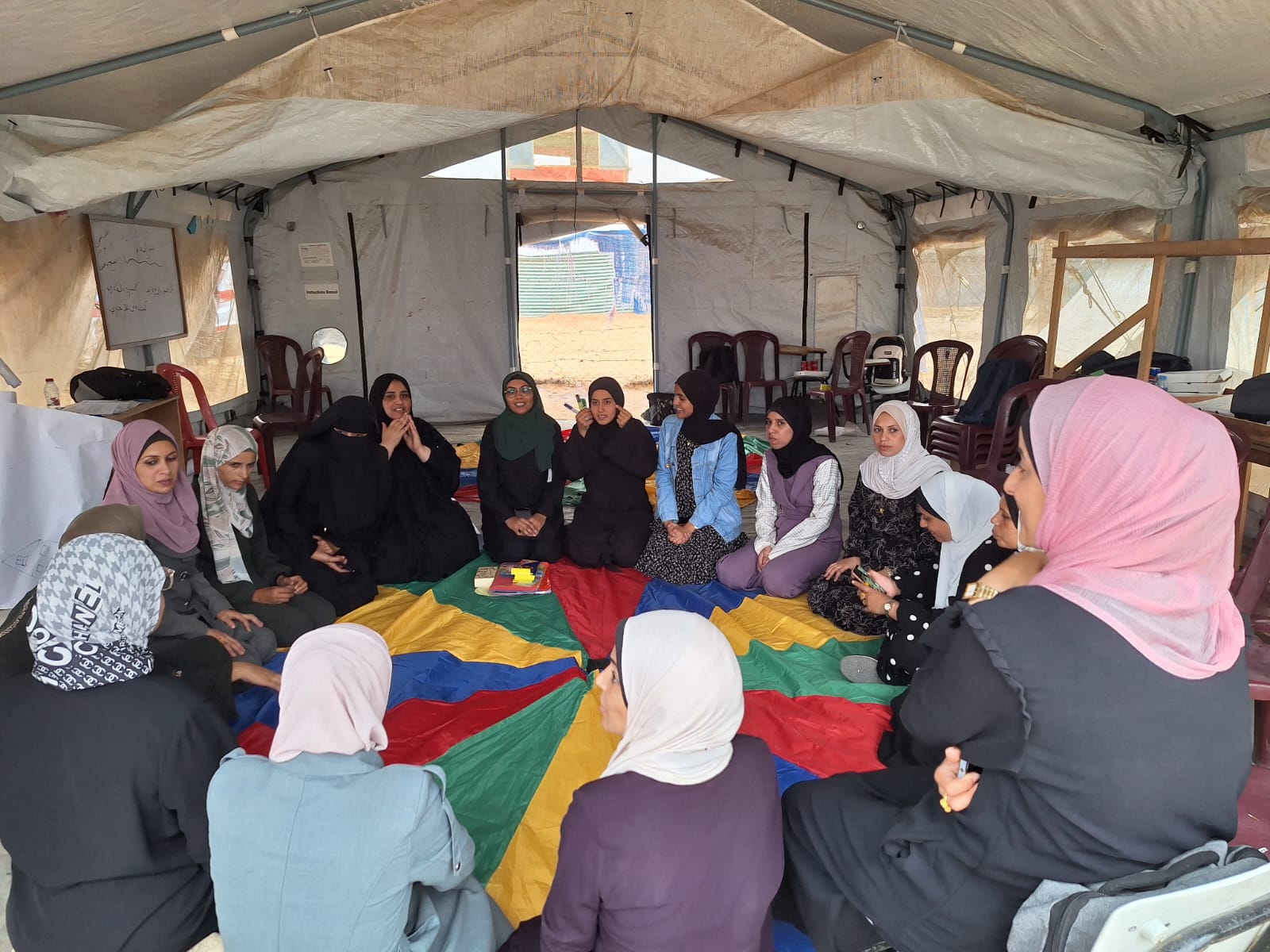
محمد وفدوى حملا رسالتنا إلى الناس، ومشيا بها في حواري المجاورة. دعوا النساء والشباب والأهالي والفتيات إلى مكان يتسع لأصواتهم، وإلى لقاء يبدأ مما يعيشونه ويحملونه من أسئلة. اسمعي منهما كيف وجدت كلماتنا طريقها إلى الناس، وكيف عادت إلينا محملة بحكاياتهم؛ فمن تلك الأحاديث بدأت المجاورة تأخذ معناها
منال ومريم تحملان خبرتهما في المسرح إلى المجاورة. رافقتا اللقاءات الأولى، وستكملان مع أهلها طريقا تجد فيه الحكايات صوتاً وجسداً ومساحة للتعبير. اسمعي منهما عما بقي معهما من كلام الناس، وكيف يمكن أن يتحول إلى مشهد يرى فيه الناس شيئا من حياتهم، ويكتشفون ما يريدون قوله بأنفسهم
وعبر كاميرا الموبايل، ينقل زياد إلينا تفاصيل من حيوات المجاورة. اليوم ستكونين حيث يمتد المكان خارج حدود الصورة؛ احكي لي عما تجدينه هناك، واسمعي منه عن لحظة بقيت معه بعد التصوير.
عاهد وعمر يحملان أمانة المكان وترتيباته الميدانية. في اللقاء أثر لجهدهما قبل وصول الناس وبعد مغادرتهم. اجلسي معهما، واسمعي كيف يعيشان يوم المجاورة.
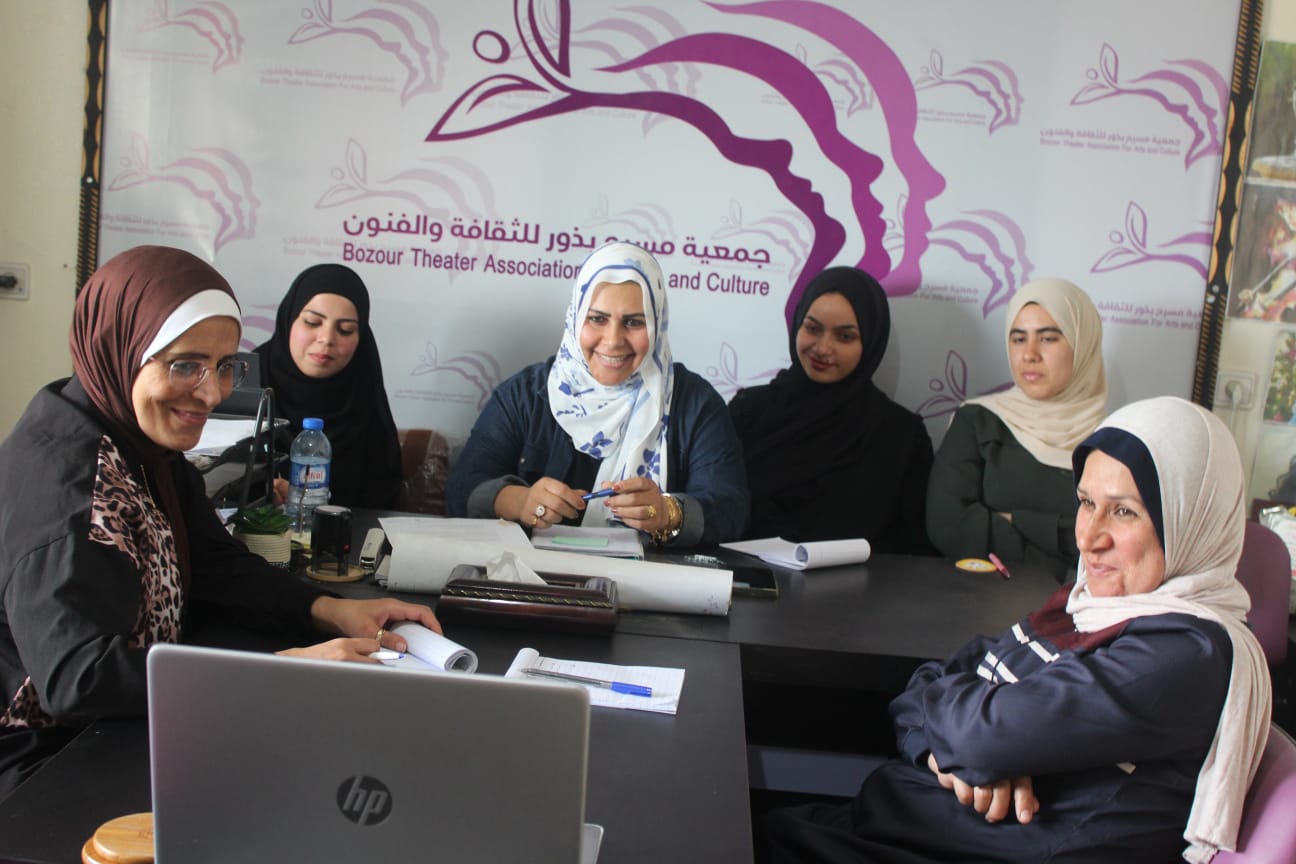
ومع وسام، مديرة مسرح بذور، وريم، ستتعرفين إلى الجهد الإداري والمالي الذي يسند خطوات المجاورة. اسمعي من وسام حكاية المسرحيات الثلاث اللواتي أسسن مسرح بذور؛ كيف بدأت الفكرة بينهن، وكيف وجدت طريقها إلى الناس. أتطلع إلى ما ستحمله هذه الحكاية من أسئلة عن البدايات.
يهمني أن تسمعي من الفريق عما يفرحهم ويتعبهم، وما يتعلمونه من الناس. واسألي الجيران كيف يرون المجاورة، وماذا يتمنون منها. غزة مثقلة باحتياجات أهلها، ونحتاج أن نفهم ما يرجوه الناس حين يأتون إلينا، وأن نترك لهم مساحة ليقولوا ما جاؤوا من أجله.
أتساءل عن الحكاية التي ستبدئين بها رسالتك، وعن الأشخاص الذين سأعرفهم أكثر حين أقرأها. أشتاق إلى سماع ما لا تكتبه التقارير، وإلى سؤال تعودين به يجعلنا نفكر من جديد في معنى ما نفعله. في غزة، حيث يحتاج عبور يوم واحد إلى كل هذا الجهد، يأتي شخص إلى المجاورة ويمنحنا جزءاً من يومه. أفكر في قيمة هذا الوقت، وفي الثقة التي يحملها حضوره. ماذا يجد معنا ليشعر أن صوته مسموع، وأن له يداً في ما نبنيه؟ وهل نصغي إليه بما يكفي لنراجع خططنا، ونترك لحياته وأسئلته أن ترسم معنا الطريق؟
Dear Basma,
When I first met you through the Hayat Initiative at the university, before the war on Gaza, you were a student searching for meaning and for a place among people where you felt you belonged. Today, as you take on the role of coordinating the Mujawarah lil-Nas team, I find myself thinking about how beginnings grow within us. We give them something of our lives, and they open paths we had not imagined. We return to them carrying what we have learnt, along with questions we never thought to ask.
Today, you are stepping into Mujawarah in Deir al-Balah. I think of this step as a new beginning finding its way through all the loss and unanswered questions we carry. We come with whatever remains with us and within us, trying to make something of it, something from which life can begin again. And when we draw closer to people, our presence brings responsibilities. What we hear calls on us to take a position. What we promise asks us to be accountable. And what we do not know invites us to question ourselves.
We agreed to exchange letters about this journey and about the ways working with people changes us. So I am writing to you with a question: What do we bring to an encounter, and what begins to grow within us when we become part of it?
You will arrive after the gatherings have already begun, and the place will have gathered something of its people’s stories. Before you go, I want to tell you about the companions of Mujawarah, the people who have been carrying this beginning forward.
Mohammed and Fadwa took our message to the people, walking with it through the neighbourhoods and alleyways. They invited women, young people, parents and girls into a space where their voices could be heard, and where conversations could begin with their lived experiences and the questions they carry. Ask them how our words found their way to people, and how they came back to us filled with stories. It was through those conversations that Mujawarah began to find its meaning.
Manal and Maryam bring their experience in theatre to Mujawarah. They accompanied the first gatherings and will continue alongside the people on a journey where stories can find a voice, take shape and become a means of expression. Ask them what has stayed with them from the conversations they have heard, and how those words might become scenes in which people recognise something of their own lives and discover what they wish to say for themselves.
Through his mobile phone camera, Ziad brings us glimpses of everyday life in Mujawarah. Today, you will be there, where life extends beyond the edges of the frame. Tell me what you discover beyond the image, and ask him about a moment that stayed with him after he put his camera away.
Ahed and Omar look after the space and its practical arrangements. Their work leaves its mark on every gathering, long before people arrive and after they have gone. Sit with them and listen to what a day in Mujawarah is like through their eyes.
With Wisam, the Director of Seeds Theatre, and Reem, you will discover the administrative and financial work that supports each step of Mujawarah. Ask Wisam to tell you the story of the three women who founded Seeds Theatre: how the idea first came to life between them, and how it eventually found its way to people. I look forward to the questions this story might raise about beginnings.
I hope you will take time to listen to the team: to what brings them joy, what weighs on them, and what they are learning from the people they meet. Ask the neighbours, too, how they see Mujawarah and what they hope it might become. Gaza is carrying the weight of so many unmet needs. We need to understand what people hope to find when they come to us, and to leave enough room for them to speak about what brought them there in the first place.
I wonder which story you will choose to begin your letter with, and whose lives I will come to know a little better through your words. I long to hear the things that never find their way into reports, and to receive a question from you that makes us think again about the meaning of what we do.
In Gaza, where simply getting through a single day demands so much effort, someone comes to Mujawarah and gives us a part of their day. I keep thinking about the value of that time, and the trust carried in the simple act of showing up.
What do people find with us that makes them feel their voices are heard, and that they have a hand in what we are building together? And are we listening closely enough to reconsider our plans, allowing their lives and questions to help shape the path ahead?